
















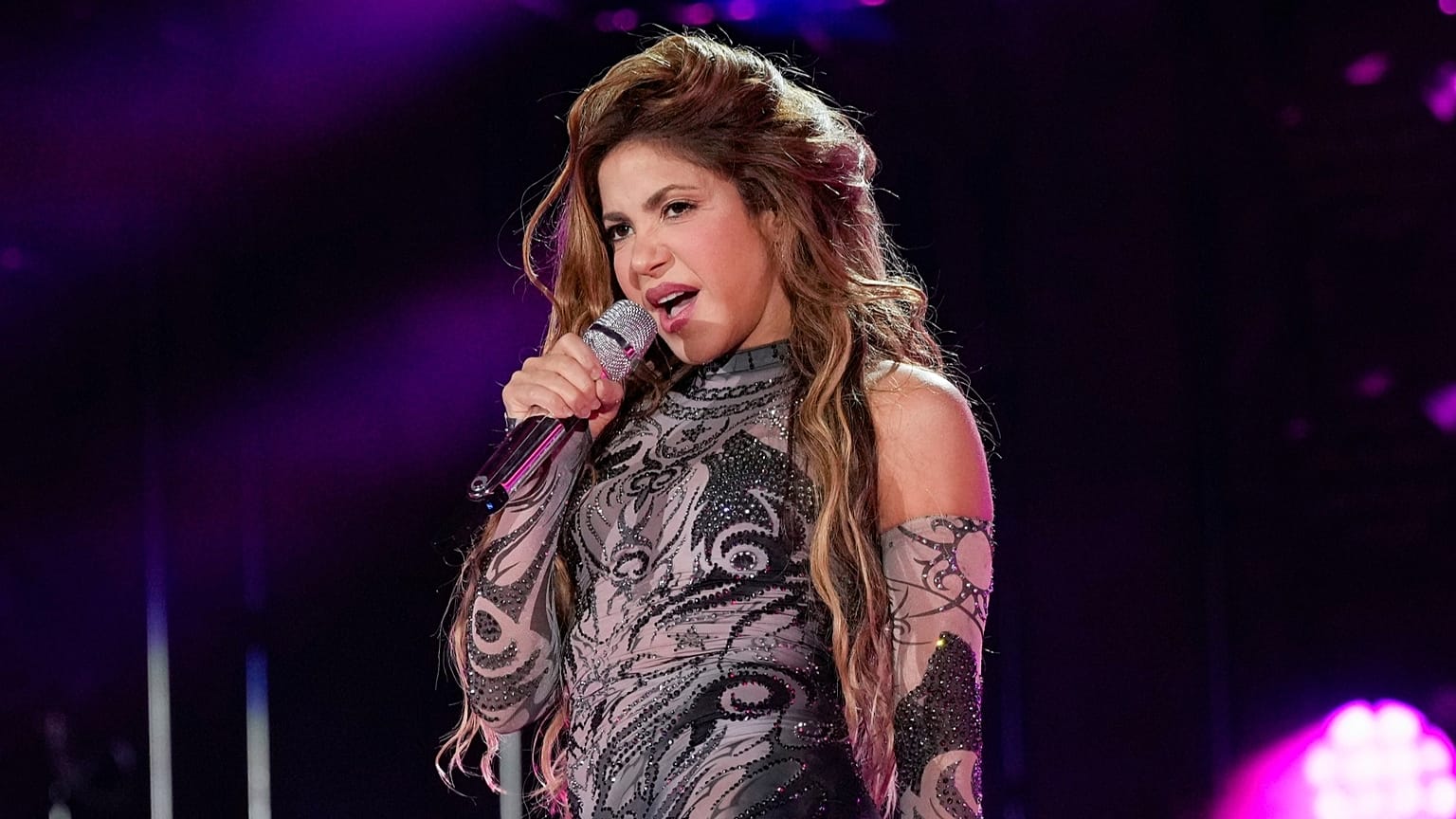













The Latin pop superstar singer will close her world tour in Spain with an unprecedented show of force by performing in her own purpose-built stadium. a return marked by controversy after her break-up with Piqué and her problems with the tax authorities.
In an industry in constant mutation, where live music has become the last great bastion of global music, Shakira has again decided to break the rules.
 ADVERTISEMENT
ADVERTISEMENT
ADVERTISEMENT
Not with an album. Not with a viral collaboration, but with something much more ambitious - her ownstadium.
The Colombian artist, who is experiencing one of the strongest moments of her career after years of personal and professional reinvention, is preparing to end her historic 'Las Mujeres Ya No LloranWorld Tour' (Women No Longer Cry) with an unprecedented show in Spain.
In an recent interview with Spanish state broadcaster RTVE, she revealed an audacious plan to build an ephemeral venue, that's already been christened 'Estadio Shakira'.
This is by no means a minor gesture. It is a statement of intent.
Shakira's return to Spain is not just a musical event. It is also the end of a tense and deeply symbolic relationship with the country, played out fully in the media, that's marked one of the most complex stages of her life.
Private struggles and public trials
For more than a decade, Spain was Shakira's personal centre of gravity. There she built a family with the FC Barcelona legendary defender Gerard Piqué and projected an image of stability that contrasted with the intensity of her global career.
That narrative was shattered in 2022 with a highly exposed break-up. The split, amplified by rumours of the footballer's infidelity, triggered a media narrative that transcended the personal to become a cultural phenomenon. Shakira didn't shy away from the spotlight: she turned it into music.
Songs like 'BZRP Music Sessions #53' or 'TQG' turned heartbreak into a global message, accumulating record figures and redefining the language of contemporary Latin pop.
In addition to the sentimental crisis, there were legal problems. The artist was accused of a multi-million euro tax fraud by Spain's tax authorities, in a case that made headlines for years and fuelled a wider debate about taxation and celebrities.
Although the process ended with a settlement to avoid prosecution, the reputational impact was significant. Spain was no longer just a home, but also a scene of institutional confrontation.
A narrative-laden comeback
In this context, the announcement that Shakira will close her tour precisely in Spain takes on a dimension that goes beyond the spectacle.
Coming back, after the ugly high-profile split, the conflict with the tax authorities and years of media scrutiny, suggest she's more than ready to take control of her story. Where once there were adverse headlines, now there will be an event designed to suit her, under her total control.
The "Shakira Stadium" is not only a logistical landmark. It is also a powerful symbol of a singer who's also the best-selling Latin female artist of all time, returning to the country where she perhaps faced her toughest trials.
Far from weakening her, the personal and legal crisis has strengthened her connection with the public. Shakira has capitalised on her perceived vulnerability, transforming intimate experiences into mass cultural products.
The result: a record-breaking tour, a tale of resilience and a media presence that transcends the musical.
And that narrative is now being staged in a big way. Literally.