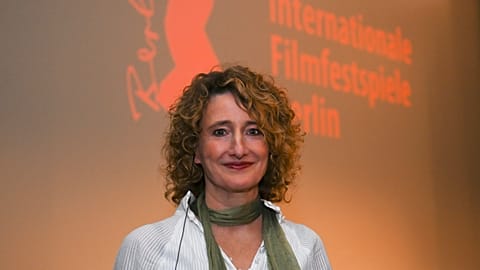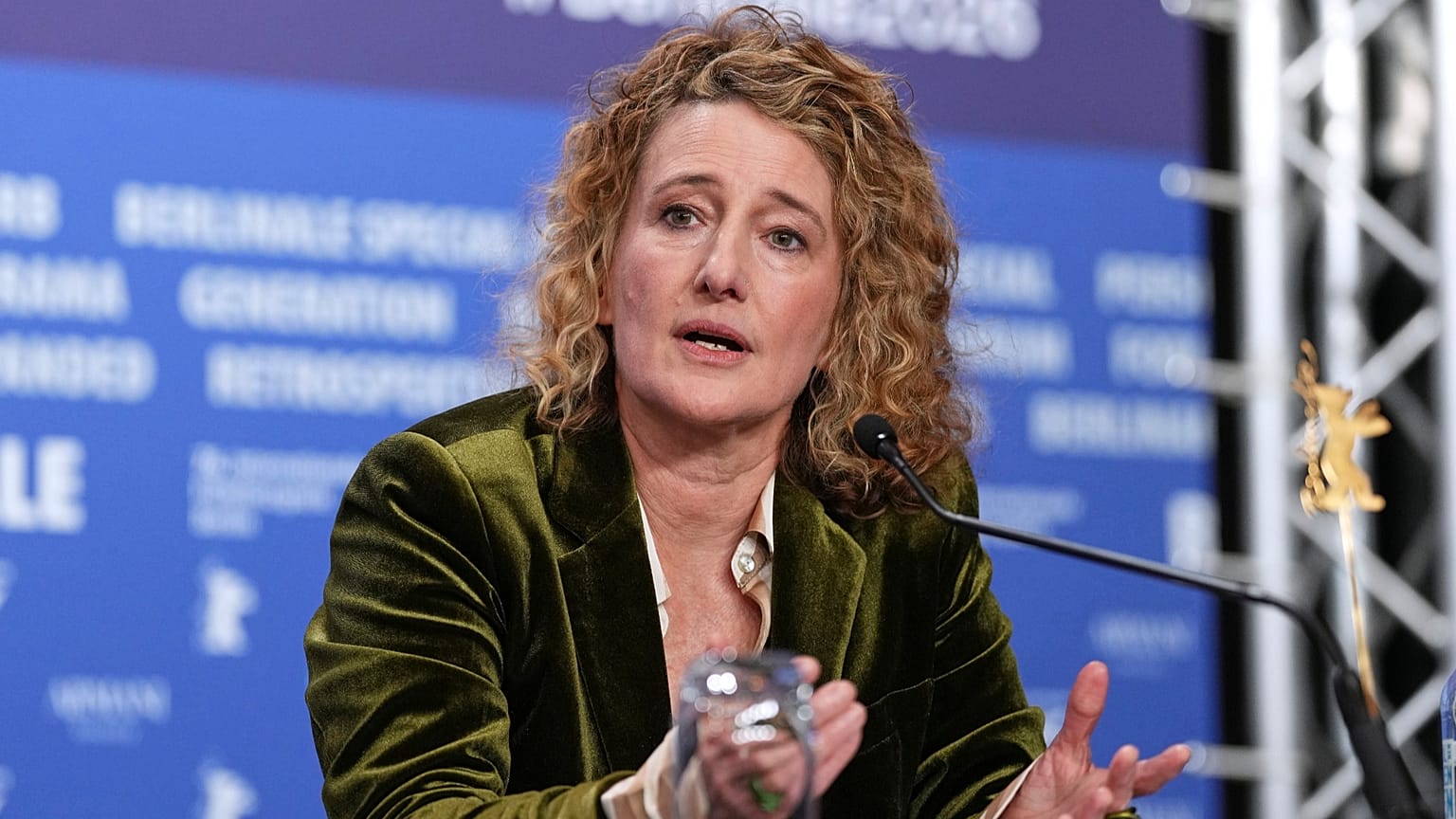













The German government is set to hold an “extraordinary meeting” today over the “future direction” of the Berlin Film Festival. It has been reported that Berlinale director Tricia Tuttle could be fired following outcry over pro-Palestinian speeches during Saturday’s award ceremony.
Prominent European and international industry figures have expressed their support for Berlin Film Festival director Tricia Tuttle, amid reports that she is about to be fired as the head of the Berlinale, following political backlash over pro-Palestinian speeches at this year’s awards ceremony.
 ADVERTISEMENT
ADVERTISEMENT
ADVERTISEMENT
The German film academy wrote in an open letter: “As filmmakers in Germany and beyond, we are following the current debates surrounding the Berlinale and the proposed dismissal of Tricia Tuttle with deep concern.”
“Recent criticism has focused on statements made from the stage. None of these remarks were made by the festival leadership itself, but by invited filmmakers. An international film festival is not a diplomatic instrument; it is a democratic cultural space worthy of protection. Its strength lies in its ability to hold divergent perspectives and to give visibility to a plurality of voices.”
Scroll down to read the full letter. It has been signed by close to 700 professionals from across the international film industry, including the likes of Sean Baker, Tilda Swinton, Nancy Spielberg, Kleber Mendonça Filho, Maria Schrader, Maren Ade, Tom Tykwer and Todd Haynes.
As Euronews Culture reported yesterday, German conservative tabloid Bild claimed, without citing any sources, that the culture ministry was looking to fire Tuttle during a meeting to be held today. Tuttle is currently two years into a five-year mandate.
Bild, which is openly pro-Israel, has been leading the backlash against the Berlinale following Saturday’s award ceremony, during which a number of filmmakers – including Best Short Film winner Marie-Rose Osta, Best Screenplay winner Geneviève Dulude-de Celles and Silver Bear Grand Jury Prize winner Emin Alper - made pro-Palestinian statements on stage.
German Federal Environment Minister Carsten Schneider walked out of the ceremony after Palestinian director Abdallah Al-Khatib, whose film Chronicles From The Siege won the top prize in the Perspectives section, accused the German government of “being partners in the genocide in Gaza by Israel” - referring in part to Germany maintaining a staunchly pro-Israel stance, rooted in the weight of historical guilt.
On Tuesday, Bild ran a column by right-wing journalist Gunnar Schupelius, who accused Tuttle of having “posed for Gaza propaganda,” citing a photo of Tuttle with Al-Khatib and the Chronicles From The Siege crew at the film’s Berlinale world premiere. He accused Tuttle of allowing the Berlinale to be used as a tool by “antisemitic” activists.
In its letter, the German film academy dismissed these claims.
“Being photographed with international guests is part of the practice of such a festival. The visibility of different identities is not an endorsement; it is an expression of an open and democratic public sphere,” the letter reads. “When personnel consequences are drawn from individual statements or symbolic interpretations, a troubling signal is sent: cultural institutions come under political pressure.”
The academy warned that threatening to fire Tuttle because of statements made by festival guests would put “artistic freedom” and the “institutional independence” of the Berlinale under threat. The independence of cultural institutions, they argue, “safeguards not only artistic freedom, but the vitality of democratic discourse itself. If every controversy leads to institutional repercussions, discourse gives way to control. We stand for a culture of exchange, not intimidation. Where diversity remains visible, democracy remains alive.”
The Berlinale has confirmed today’s meeting with the German Culture Ministry but has not commented further.
Somewhat ironically, the meeting follows controversy which took place during this year’s festival. Pro-Palestinian activists accused Tuttle and this year’s festival jury president Wim Wenders of showing insufficient public solidarity with the Palestinians - even of “censoring” filmmakers who wished to express pro-Palestinian views.
Here is the full letter:
“As filmmakers in Germany and beyond, we are following the current debates surrounding the Berlinale and the proposed dismissal of Tricia Tuttle with deep concern. We stand in defense of the Berlinale for what it fundamentally is: a place of exchange.
The Berlinale is more than a red carpet or a series of headlines. It is a space where perspectives intersect, narratives are questioned, and social tensions are brought into view. This is where discourse unfolds – at the very heart of cinema.
Recent criticism has focused on statements made from the stage. None of these remarks were made by the festival leadership itself, but by invited filmmakers. An international film festival is not a diplomatic instrument; it is a democratic cultural space worthy of protection. Its strength lies in its ability to hold divergent perspectives and to give visibility to a plurality of voices.
A photograph of the festival leadership with filmmakers, in which a Palestinian flag was visible, has likewise been subject to criticism. Being photographed with international guests is part of the practice of such a festival. The visibility of different identities is not an endorsement; it is an expression of an open and democratic public sphere.
When personnel consequences are drawn from individual statements or symbolic interpretations, a troubling signal is sent: cultural institutions come under political pressure.
If an extraordinary meeting is convened to decide the future of the festival’s leadership, more is at stake than a single appointment. What is at issue is the relationship between artistic freedom and institutional independence.
The Berlinale has always been political - not party-political, but socially engaged. Film makes conflicts visible, opens up perspectives, and renders experiences of injustice and violence tangible. Cinema raises moral questions and asks us to endure ambiguity rather than resolve it prematurely. It illuminates power structures and gives visibility to experiences of oppression - not to deliver simple answers, but to enable meaningful public debate. That is precisely where its democratic value resides.
Especially in times of global crisis, we need spaces capable of sustaining disagreement. The independence of cultural institutions safeguards not only artistic freedom, but the vitality of democratic discourse itself.
If every controversy leads to institutional repercussions, discourse gives way to control.
We stand for a culture of exchange, not intimidation. Where diversity remains visible, democracy remains alive.”