















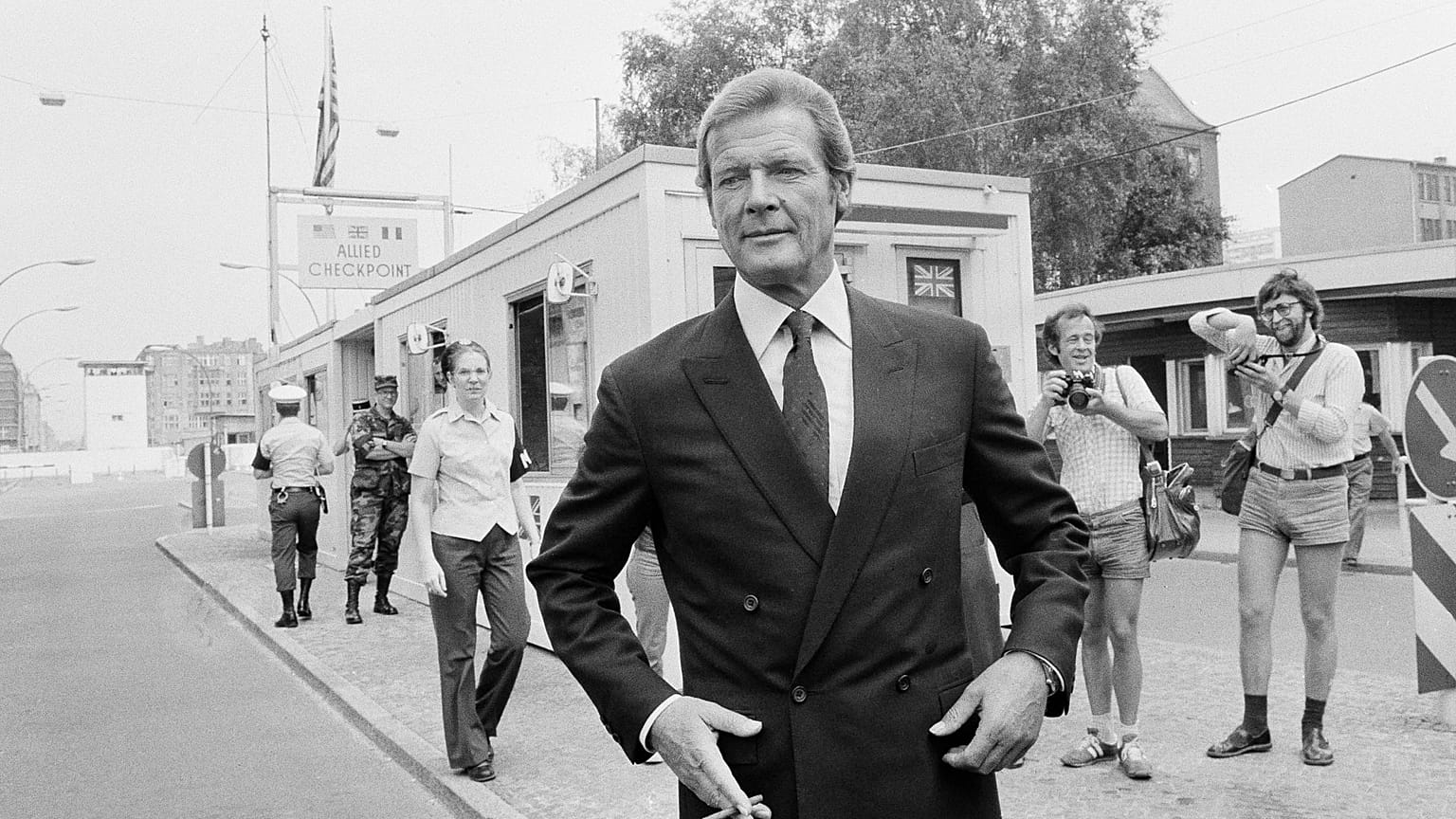














Stasi files show that 007 violated the GDR border four times at Checkpoint Charlie in divided Berlin. The whole thing happened during filming for 'Octopussy.' A dangerous scandal in the middle of the Cold War, observed and documented by the Stasi.
Checkpoint Charlie - one of the most dangerous places in the Cold War - was the film set for the 1982 James Bond film Octopussy starring 007 actor Roger Moore.
 ADVERTISEMENT
ADVERTISEMENT
ADVERTISEMENT
The plot could not be more contemporary: Bond uncovers a plot by a megalomaniac Soviet general to destroy a NATO base with a nuclear bomb and trigger unilateral disarmament in Western Europe. During his investigations, he meets the mysterious smuggler Octopussy and ultimately prevents the nuclear catastrophe.
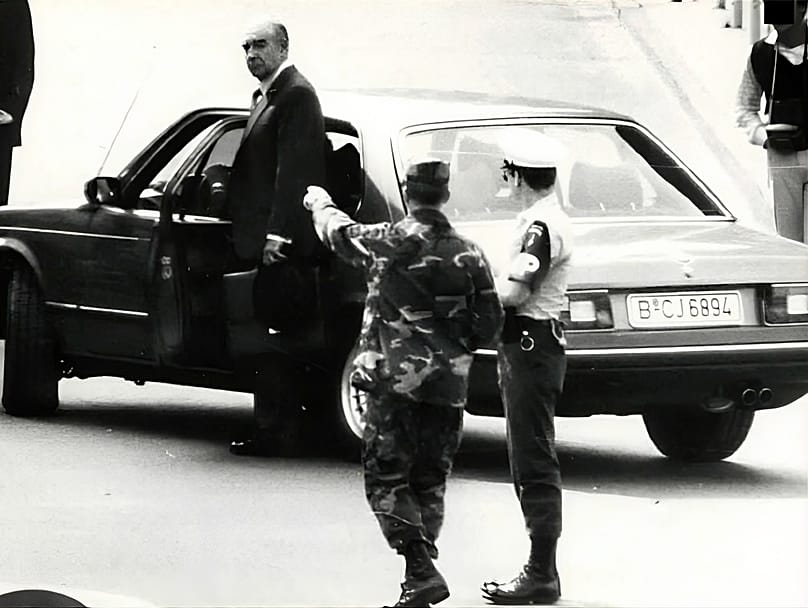
The journey apparently takes the most famous agent in film history to the inner-German border. Here, on 10 August 1982, 007 is targeted by the notorious East German secret service, the Stasi.
This is made clear in documents now made available which show the Stasi record of their observations in minute detail.
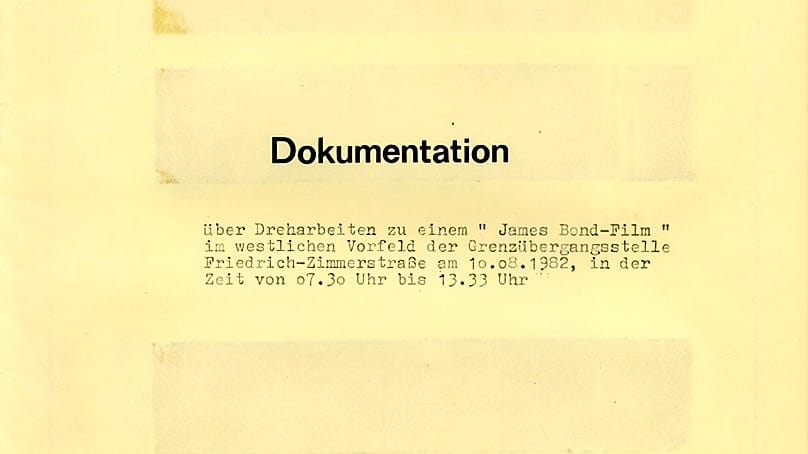
The men from the Stasi record that 12 vehicles drove to the Friedrich/Zimmerstrasse border crossing point between 7.30 am and 8.30 am.
The Stasi describes how the camera crew prepared to shoot the film: "At 8.15 a.m., three men with two cameras and a handcart with boxes they had taken from the Mercedes buses walked down Kochstraße to the right," one of the documents states.
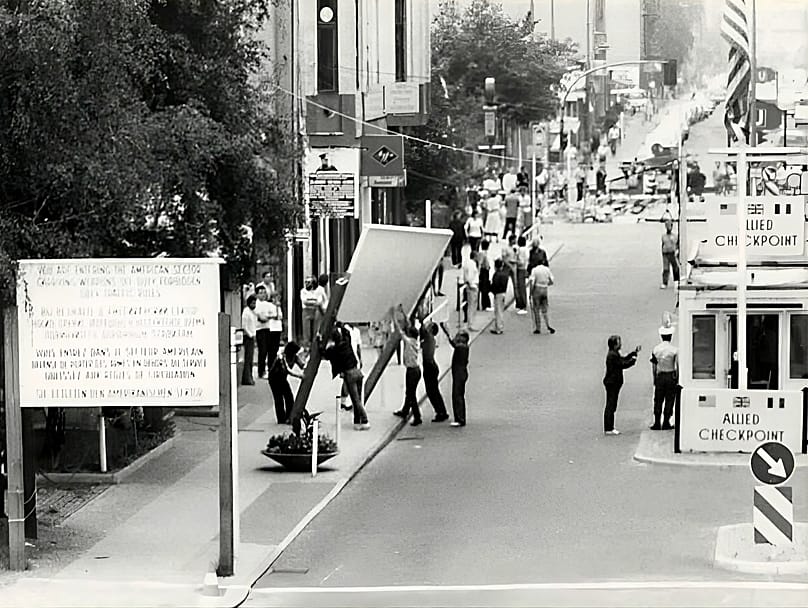
Kochstrasse was one of the most heavily guarded streets in divided Berlin. In 1961, the so-called Checkpoint Charlie was built there, the border crossing only for the Western occupying powers, i.e. the French, British and Americans.
The Stasi meticulously documented the events: "From 09:34 to 11:25, filming was carried out from four locations," it said. But then something happened that the Stasi had not expected:
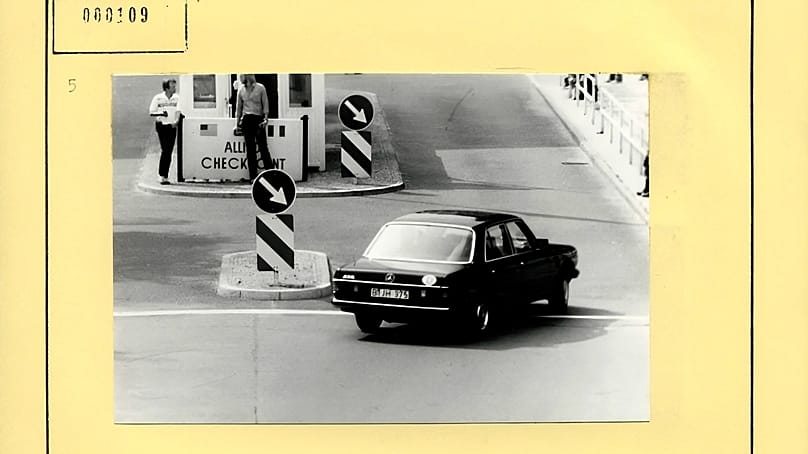
During filming, a black Mercedes drives from Kochstrasse towards Checkpoint Charlie and violates the state border four times by four to five metres, according to the document.
James Bond in the Mercedes thus managed to do what numerous people from East Berlin before him had failed to do in their attempts to escape: he crossed the German Democratic Republic border.
The document reveals why the Stasi let this pass. They learnt that it was a film shoot from a diplomat who wanted to enter the GDR at the border crossing.
The minutes later state that the filming ended at 13:33. There had been "no impact on cross-border travel".
Lucky for the Stasi - after all, James Bond has a licence to kill.