





























A museum dedicated to mujahideen resistance to the Soviet invasion of Afghanistan has reopened in Herat with significant changes by the Taliban.
In the Afghan city of Herat, the Museum of Resistance - also known as the Museum of Jihad - has reopened after changes by the country's Taliban rulers.
 ADVERTISEMENT
ADVERTISEMENT
ADVERTISEMENT
The museum is dedicated to the mujahideen who resisted the Soviet invasion of Afghanistan in the 1980s.
It was in Herat in March 1979 that a rally against the pro-Soviet leadership of Afghanistan was held, which is considered the beginning of organised resistance.
The museum was built in 2010, and it quickly became a landmark of the city, with the blue and white mosaic building sits on a hill surrounded by gardens.
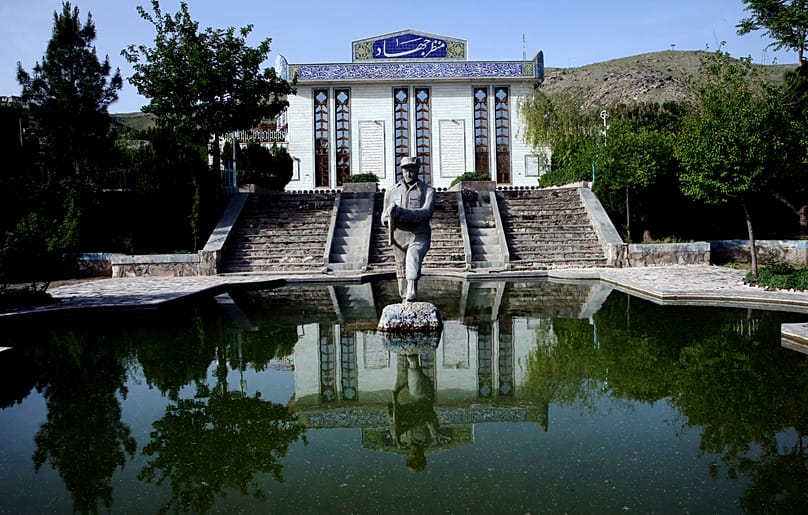
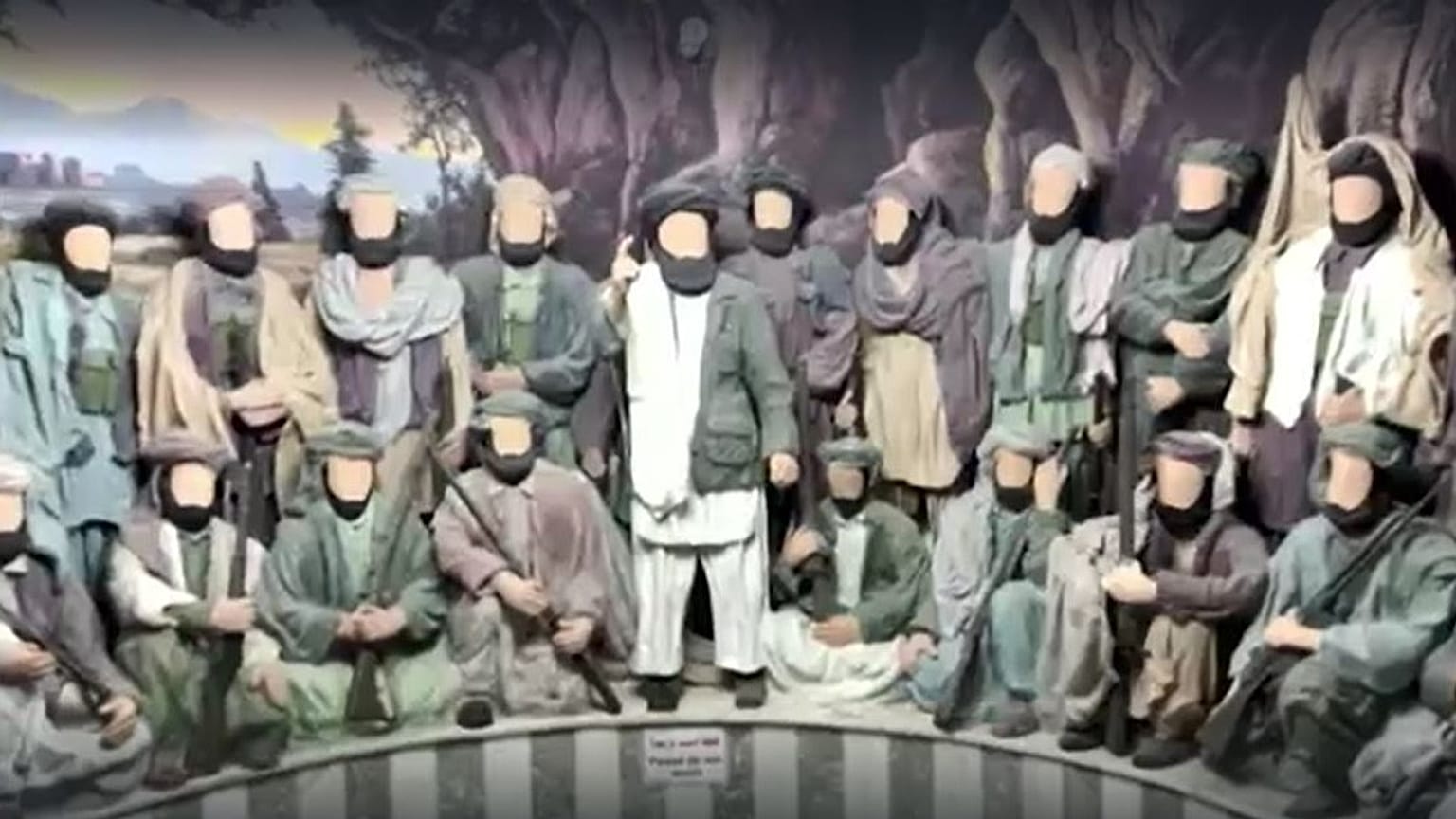
Outside there is an exhibition of trophy equipment, a mural with the names of dead mujahideen, while inside there are weapons and a huge diorama depicting the inhabitants of an Afghan village resisting Soviet troops.
The museum's famous caretaker was a former Soviet soldier. In 1985, Bakhretdin Khakimov, wounded, was captured by the mujahideen.
Outraged that his compatriots did not even try to look for him, he stayed in Afghanistan, converted to Islam and changed his name.
He then fought on the side of the mujahideen, and also took part in the civil war in the 1990s.
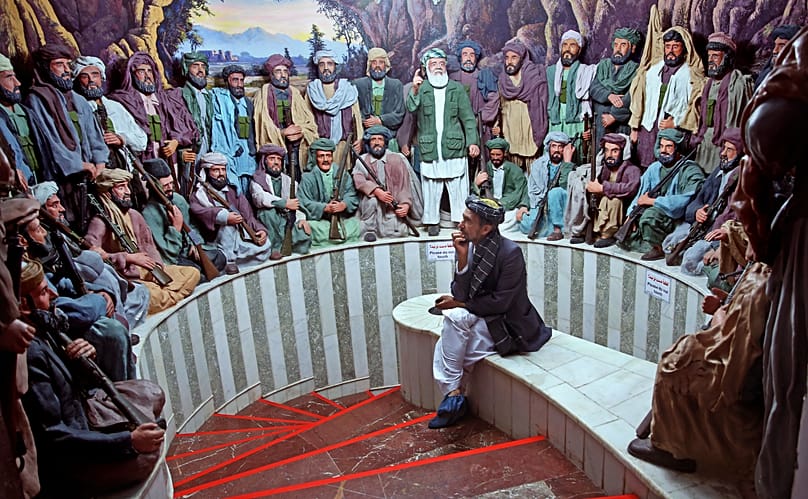
Under Taliban rule, the exhibition survived, but the exhibits were altered to comply with the ban on depicting living beings.
All the figures have had their faces removed, not only humans but also animals.
The "hall of fame", which contained portraits of several dozen mujahideen leaders who fought first with the Soviet troops and then among themselves, has disappeared completely.
In addition, with few exceptions, women are no longer allowed into the museum.