





























Andy Warhol, Nikifor and Jerzy Nowosielski are Lemko artists, or Carpathian Ruthenians. For years their art was unknown. A Warsaw museum wants to change that.
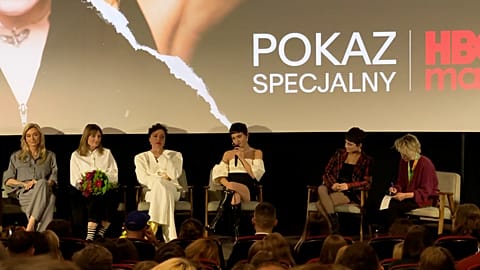
"We weren't taught about Rusyn art at school. We didn't even know that some artists who entered the canon, such as Nowosielski or Andy Warhol, were Lemkos. That was knowledge only a handful of specialists had," explains Magdalena Wróblewska, director of the Ethnographic Museum in Warsaw.
 ADVERTISEMENT
ADVERTISEMENT
ADVERTISEMENT
The Lemkos, an ethnic group that has lived for centuries on both the northern and southern slopes of the main ridge of the Carpathians, were for years overlooked by the European art mainstream.
The exhibition "Forms of Presence. Art of the Lemkos/Carpathian Rusyns" gives a platform to their work, which for years remained on the margins of dominant narratives about European art.
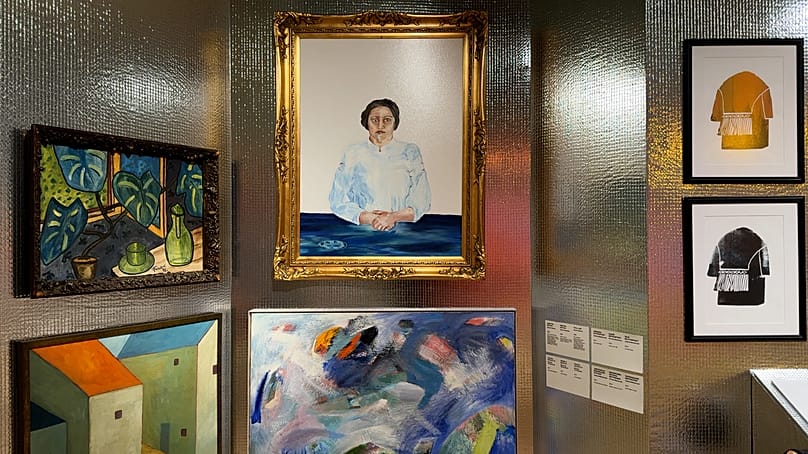
Forms of Presence of the Lemkos in Art
"You should view the exhibition with attention to its thematic sections," advises the museum director.
The curator, Michał Szymko, was keen for it to begin with a section on identity. Forced migrations, assimilation, the Thalerhof internment camp and Operation Vistula: the memory of these traumatic events recurs in the work of artists and in everyday objects from Lemko/Rusyn homes.
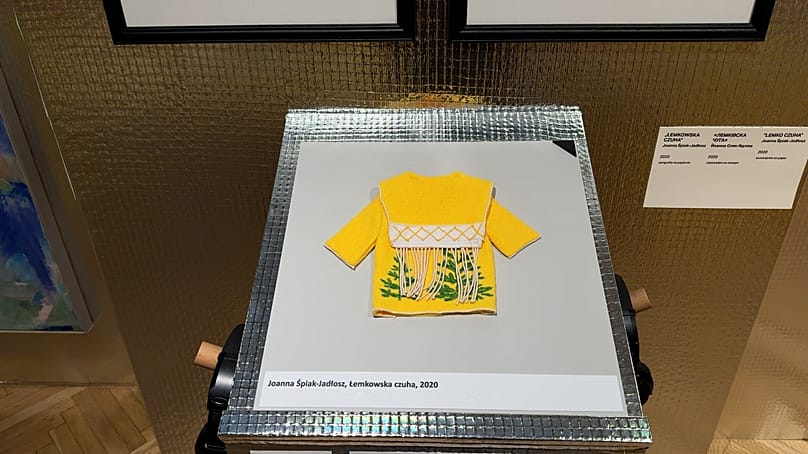
According to Magdalena Wróblewska, this is the most contemplative part of the display. "It speaks of emptiness, of loss, of an attempt to break the continuity of identity. Because the Lemkos were expelled, their traditional cultural forms were destroyed. Their traditions were destroyed. But the next sections of the exhibition tell of the survival of those forms."
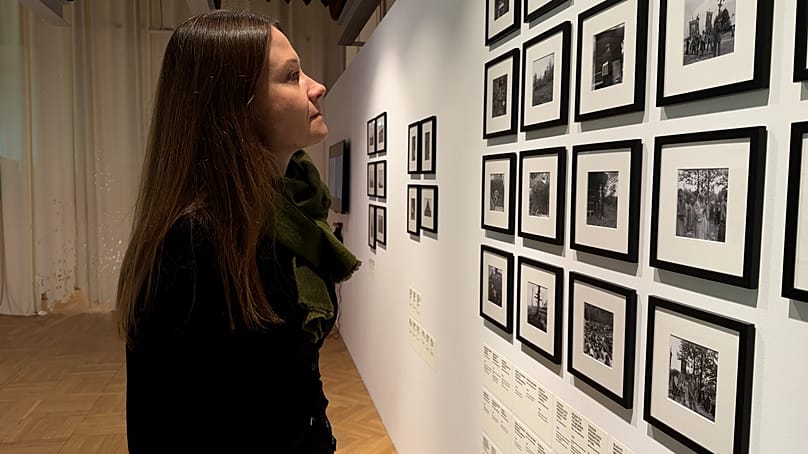
The second section, titled Transpop, showcases works by young artists who continue certain models and revisit tradition. "At the same time, they keep abreast of new art forms, which means that this tradition remains alive, vital and relevant," says Wróblewska.
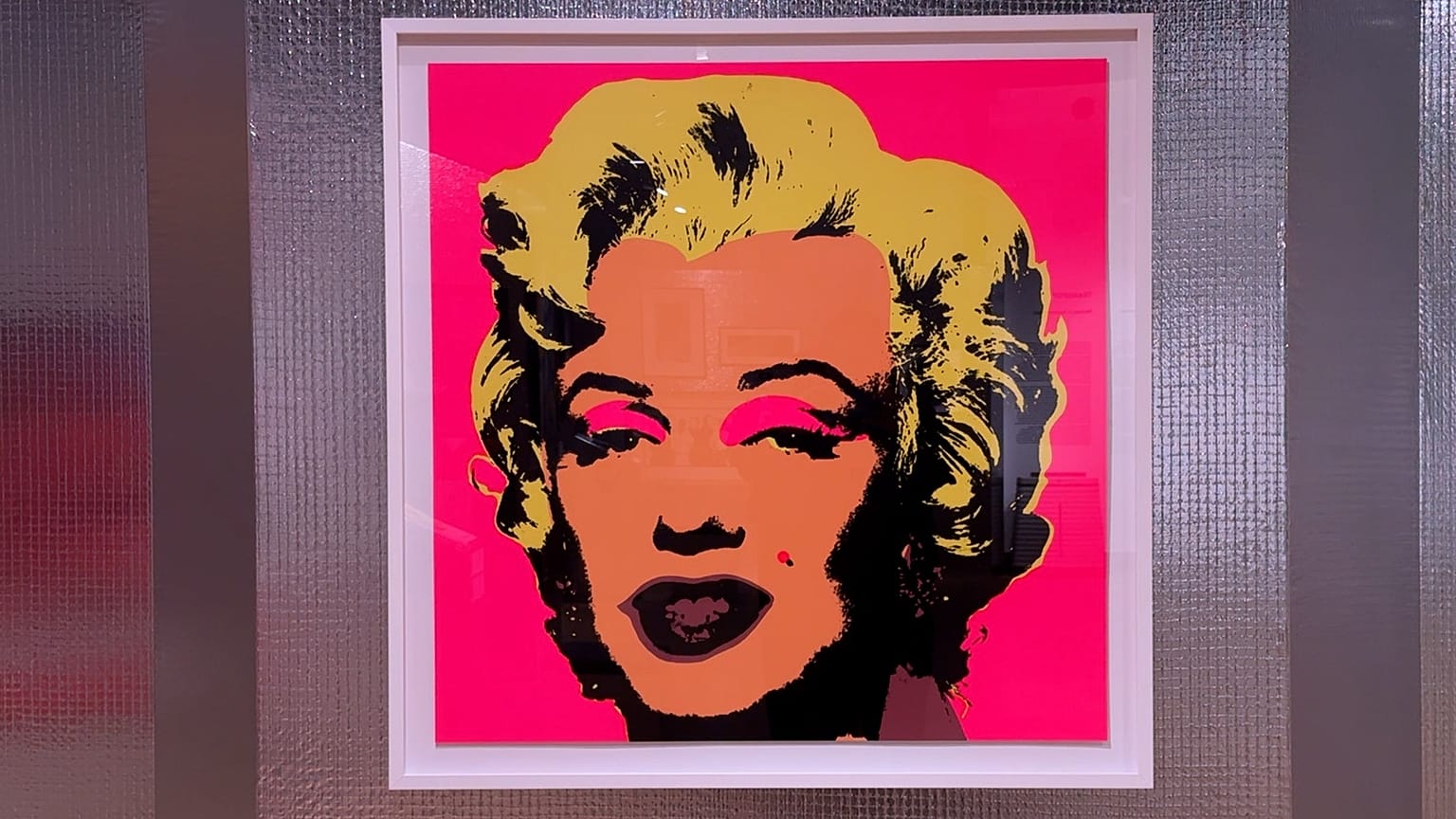
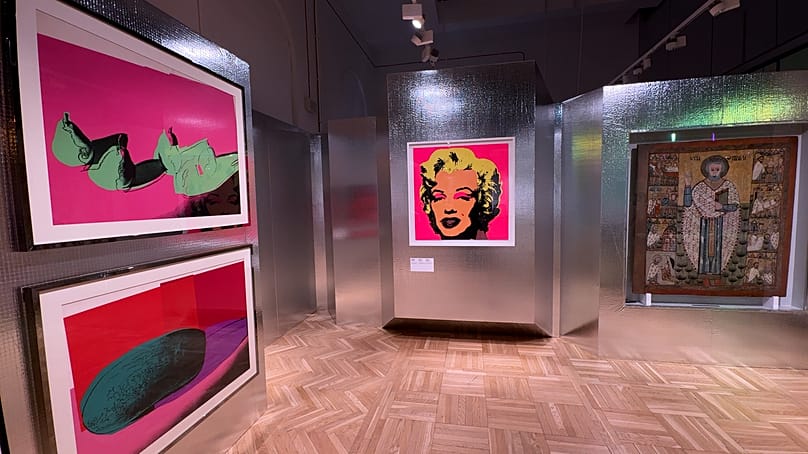
The exhibition features five works by Andy Warhol. They come from private collections as well as a museum in Prague.
"We looked for these works in various places because we wanted to show him from a slightly less obvious angle. It seems we are seeing one of the most famous works, Marilyn, but there is also a drawing that presents a different vision of womanhood: motherhood. And there is fruit. Fruit about which Warhol himself told moving stories. Stories of poverty and deprivation, of times when his family did not even have the means to buy the pears we can admire in one of these works," the museum director explains.
The next room is filled with works devoted to nature. "So that you can feel the atmosphere of the forest, the mountains, nature. And there you will find many pieces that speak precisely of this rootedness in nature," she adds.
On the first floor there is a monumental installation by Dorota Nieznalska.
"It recalls those difficult moments in history and the anthropological research that also had negative consequences," explains Wróblewska.
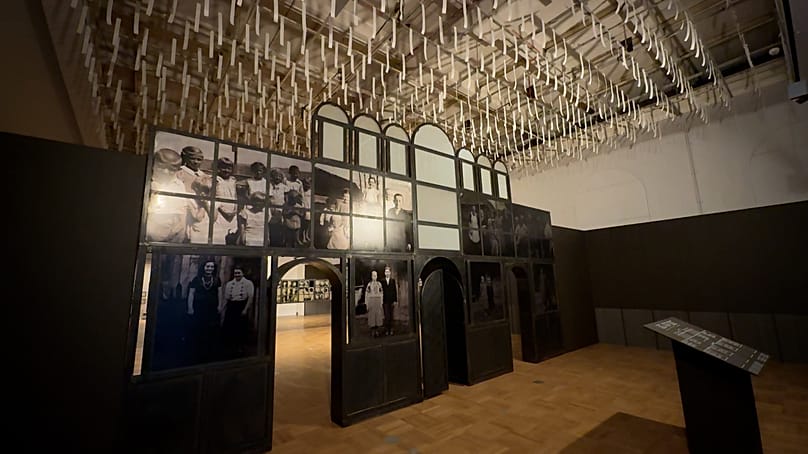
The exhibits on show cover a broad geographical context, from Poland, Slovakia, Hungary and Serbia, through the Czech Republic, Romania, Ukraine and Croatia, to the diaspora in the United States.
As the curators write: "In this light, Andy Warhol’s famous words 'I’m from nowhere' take on a new meaning: they speak of an identity that can endure across borders and changing places".
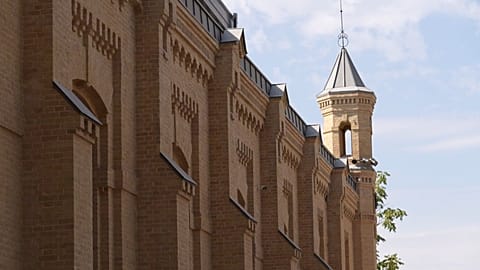
Temporary exhibition "Forms of Presence. Art of the Lemkos/Carpathian Rusyns" at the Ethnographic Museum in Warsaw is on until 30 June 2026.