






























A centuries-old Kazakh puppet tradition is finding new life on global stages, in classrooms, and even through 3D printing.
Recognised by UNESCO as part of Kazakhstan’s cultural heritage, the Orteke tradition dates back to nomadic times, when travelling performers carried this musical puppet art across the steppe.
 ADVERTISEMENT
ADVERTISEMENT
ADVERTISEMENT
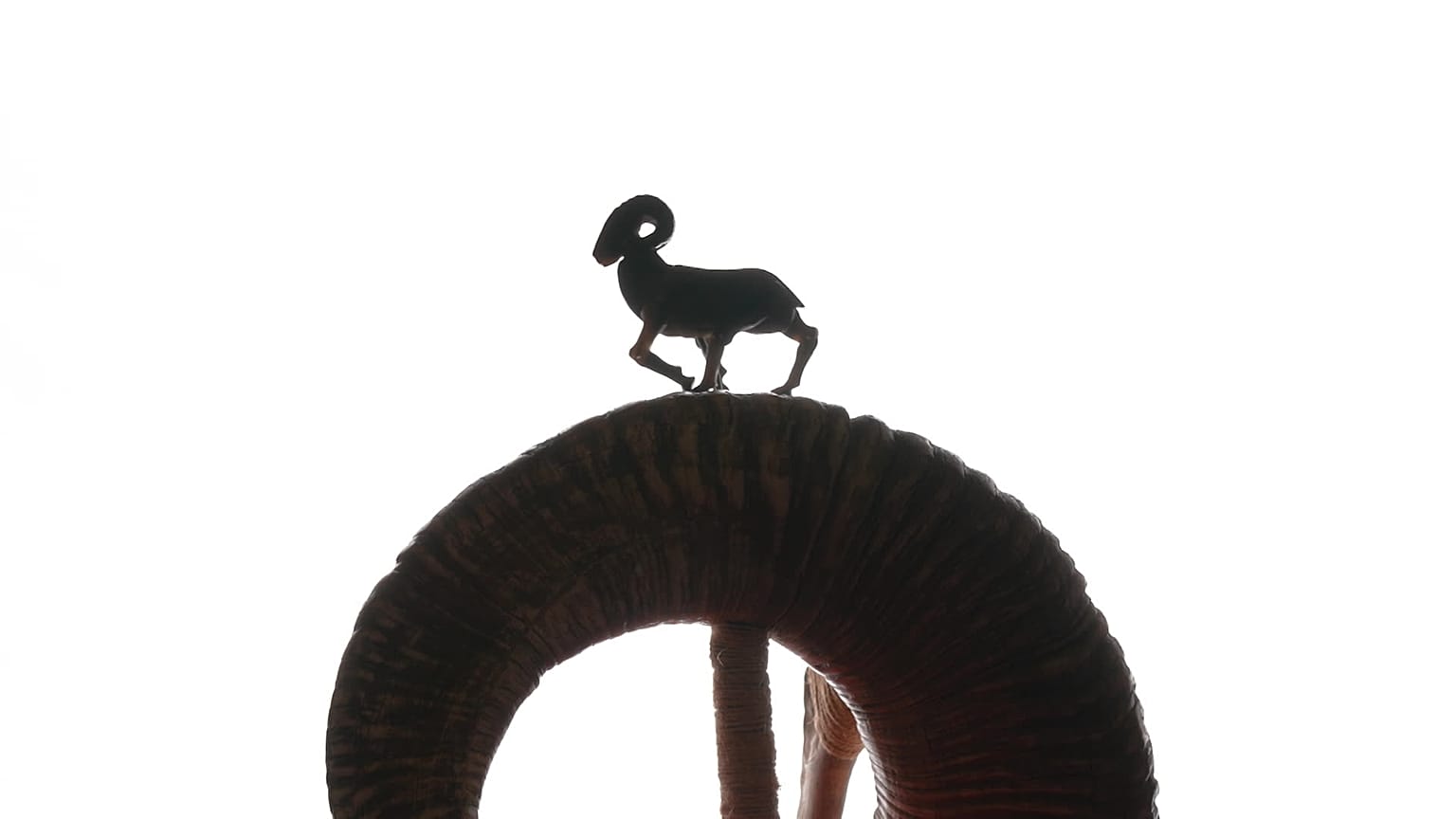
Powered by traditional Kazakh instruments, the Orteke, a tiny goat figure, comes to life as the musician rhythmically pulls its string, giving the puppet its movement and character.
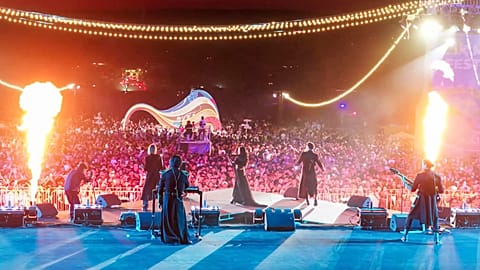
Today, the “Turan” ensemble brings the dancing goat to global stages, while the “Zhoshy” ensemble develops a theatre show where the Orteke takes on new roles and storylines.
The tradition now inspires both concert audiences and schoolchildren, and continues to evolve, crafted not only from wood, but also 3D-printed by young creators.
Nomadic origins
The musical puppet art of Orteke dates back to ancient nomadic times, when travellers of the steppe entertained those they encountered with this captivating miniature performance. The puppet - carved in the shape of a small goat caught in a trap - was brought to life by a musician, or trapper, who pulled its string with one hand while using the same fingers to play an accompanying instrument.
Traditionally, this instrument was the dombra, the iconic two-string Kazakh lute whose rhythms dictated the puppet’s movement: slow and swaying or fast and energetic, shaping the emotional tone of the performance.
Unlike Western puppetry, which often relies on elaborate staging or spoken narrative, Orteke functioned as a kinetic, musical ritual - a fusion of rhythm, gesture, and folklore condensed into a single figure dancing on a wooden board.
Though its technique has remained remarkably consistent through the centuries, the art form continues to evolve, adapting to new audiences and artistic visions.
How it evolved
Over time, the figure of the mountain goat was no longer the only form used in the Orteke tradition. The puppet began to take on variations - appearing as a man, a bear, or other animals depending on the narrative and symbolism of the performance.
The choice of instrument also diversified, giving each character its own musical “voice.” For example, the zhetigen, a traditional seven-string instrument, brings a soft, gentle tone to the performance, making the puppet’s movement resemble a baby deer.
In contrast, the shankobyz, a traditional Kazakh jaw harp, produces trance-like vibrations and a hypnotic sound, perfectly suited to the argali, a wild mountain sheep, whose tapping and bouncing movements align with the instrument’s pulsing rhythm.
As the art evolved, so did the materials used to craft the puppets. While wood remains the most common and traditional material, artisans have long carved Ortekes from bone, which gives the puppet a lighter and sharper movement.
In recent years, plastic and 3D-printed versions have emerged, making the puppet more durable, portable, and accessible for younger performers.
One of the pioneers of 3D-printed Ortekes is Yertay Rakhimov. Although his primary world is programming rather than professional music, Yertay grew up playing the dombra, taught by his father, Taushanbay Rakhimov, a music teacher and passionate advocate of Kazakh traditional arts. Combining both skill sets - coding and musical sensitivity - Yertay designed a 3D-printed Orteke to spark interest among students at his “Robocode” Academy.
His innovation quickly inspired his father, who began crafting traditional wooden Ortekes for his own school orchestra, using the puppets to teach rhythm, coordination, and cultural heritage.
As Taushanbay Rakhimov explains, “We are promoting it to the younger generation now and distributing it in schools. It’s used in music classes and mentioned in textbooks. It is also widely used during open lessons. The next generation will continue it as well. It came to us from earlier times, and now we are renewing it and reintroducing it again.”
Turan and Zhoshy today
The Orteke performance is drawing growing attention in Kazakhstan and abroad. The “Turan” ensemble has introduced it to audiences around the world, touring more than half the globe with concerts devoted to Turkic musical heritage.
Over the past 15 years, their repertoire has expanded to include 55 traditional instruments, and the Orteke has become a signature element of their shows - a way for international viewers to encounter this rare form of Kazakh musical puppetry.
To reach an even broader audience, the ensemble took the tradition beyond the stage and into the digital world by filming a music video, giving the Orteke a new platform and a new life online.
While “Turan” brings the art to global stages, the musicians of the “Zhoshy” collective are pushing the tradition in a different direction. They are developing a full puppet theatre, creating new storylines and characters that reveal the expressive range and narrative potential of the Orteke.
As ensemble director Azamat Bakiya explains, “It’s no coincidence that this is called the origin of Kazakh puppetry. Within our ensemble, a puppet theatre is gradually taking shape. The Orteke carries an entire story within it. And in these stories, the characters appear not only as a goat, as we mentioned, but also as humans, as bears - any figure.”
A living tradition
The Orteke is more than a puppet. It is a living connection to nomadic memory - an art form where sound, movement, and tradition come together. Recognised by UNESCO, the tradition continues to evolve, carried forward by musicians, educators, artisans, and young innovators who reshape it with new tools and new ideas.
From wooden boards to global stages, from ancient rituals to 3D printers, the Orteke keeps dancing captivating new generations along the way.
Read more