















Kazakhstan is linking ski runs across five routes and gorges in the Ile-Alatau range into a single, seamless network of pistes, lifts and trails.
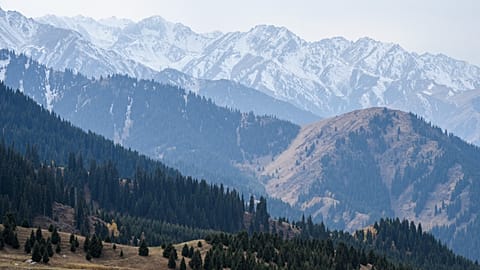
Kazakhstan is transforming the central, northern and western slopes of the Tien Shan into a year-round tourism corridor. The Almaty Mountain Cluster project will link old and new ski resorts in the Ile-Alatau range, creating more than 200 kilometres of runs along five routes, including mountain gorges.
 ADVERTISEMENT
ADVERTISEMENT
ADVERTISEMENT
Following a directive from President Kassym-Jomart Tokayev, the government approved a comprehensive development plan to turn the area into an international destination, with world-class slopes and improved access to some of the Ile-Alatau national park’s most remote landscapes.
The full network is scheduled to open by 2029. Visitors will be able to travel across interconnected pistes, lifts and trails using a single ski pass. Officials say the cluster could host up to 24,000 guests a day and attract as many as 1.7 million international tourists annually.
Calling the mountains one of the country’s greatest natural assets, Prime Minister Olzhas Bektenov unveiled the large-scale expansion plans in July 2025.
The project includes new hiking trails, cable cars and service facilities, alongside the expansion of existing resorts and the creation of additional tourist zones, with environmental and safety standards in focus.
Currently, Kazakhstan has just one resort with high-level infrastructure. The flagship destination remains constrained by limited trail length and capacity, highlighting the need for expansion.
New gorge, new resort
Over the past three years, visitor numbers at the country’s flagship resort have tripled. Last season alone, it welcomed 1.5 million guests — nearly double its design capacity, said Kazakh Tourism Deputy Chairman Daniel Serjanuly.
As part of the expansion, authorities plan to add 26 more cable cars, bringing the total to 42. Ski runs will stretch to 162 kilometres across five routes, linking Shymbulak, Pioneer and Oi-Qaragai with the Kimasar and Butakovka gorges into one connected network.
The umbrella project will adopt a new name, while each resort keeps its own brand identity.
Professional skiers praise the Tien Shan’s powder.
“In virtually every gorge where a ski area can be developed, there is excellent snow. There were even seasons when we opened in early November and didn’t close until May,” said ski instructor Nikolai Khan.
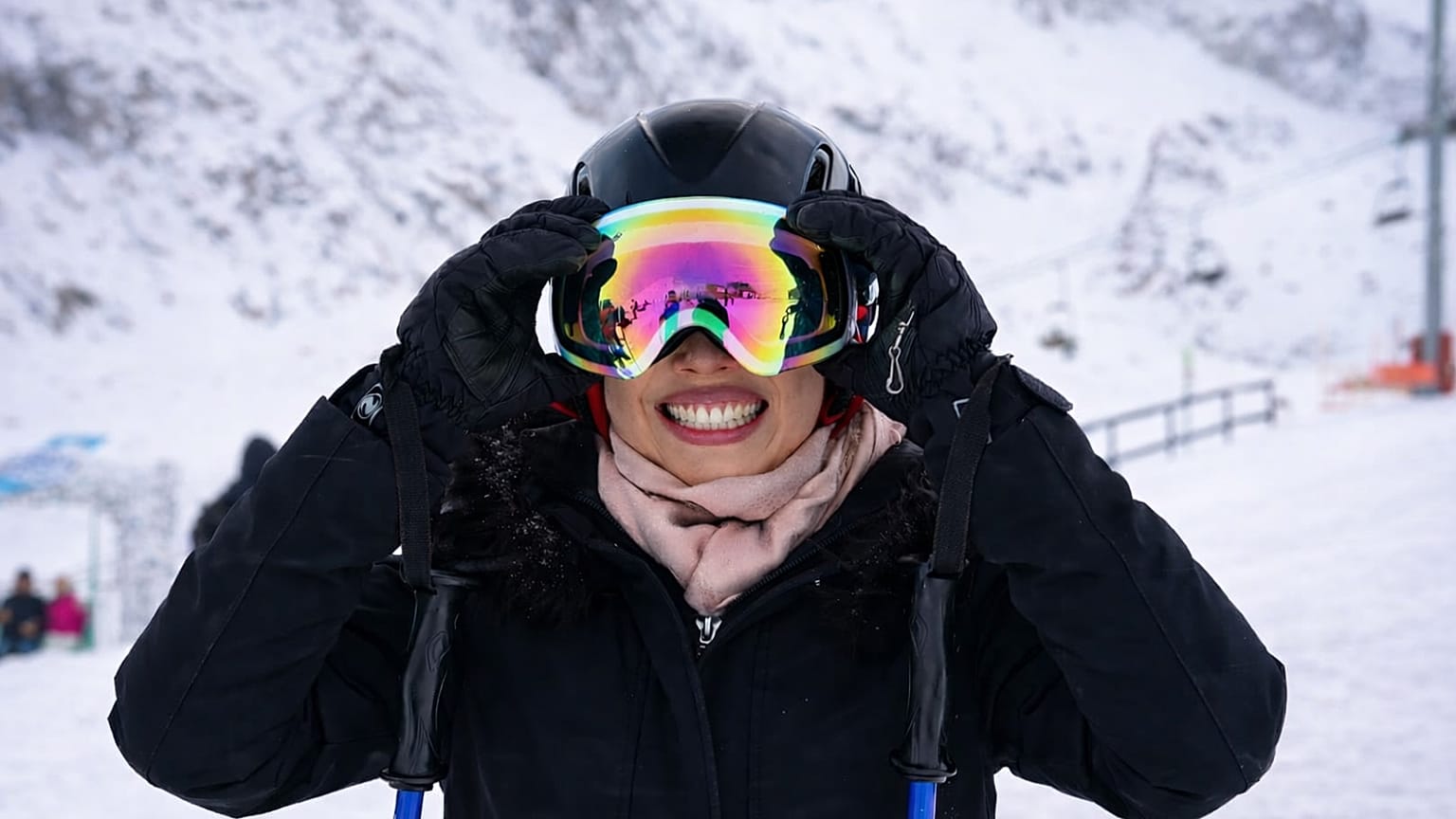
Frequent visitors, the Zherdev family of snowboarders, welcome the changes.
“I think the project is moving in the right direction. It would be great to see it grow further, with new resorts and dedicated snow parks,” said Alexander Zherdev.
Kazakhstan is also developing a large, state-run resort, tentatively called Almaty Superski. Designed as a family-friendly destination, it aims to ease pressure on existing slopes by adding another 60 kilometres of runs.
Mostly blue and green, the trails will target beginners and intermediate skiers, with the remainder reserved for advanced riders. Seventeen modern lifts are planned, with capacity for more than 10,000 visitors a day.
Regional skiing hub
Kazakhstan is positioning itself as a regional skiing hub in Central Asia, anchored around Almaty’s growing mountain infrastructure. Neighbouring Kyrgyzstan, Uzbekistan and Azerbaijan are also upgrading their resorts, but officials say Kazakhstan holds a natural advantage.
“We’re quite similar, but we offer several advantages,” said Kazakh tourism development representatives. “One of our resorts sits high in the mountains — from 2,200 to 3,200 metres — with a long season, reliable natural snow and more than 300 sunny days a year. And it’s just minutes from the city, with hotels, restaurants and nightlife.”
Today, visitors can trek, hike, ski, snowboard and snowshoe, or skate at Medeu, one of the world’s highest ice rinks.
The country is also working to bring its resorts up to European standards. Pas Grau Internacional, one of the world’s leading mountain specialists, is helping to upgrade safety and service.
“We follow strict laws and regulations to guarantee safety and service that match the price of the ticket,” said Hugo Agostin, Director of Operations.
Recognition is already coming in. Agoda ranked one of Almaty’s resorts among Asia’s top winter destinations for 2026. Spain’s Viajar magazine placed the city alongside Innsbruck, Chamonix, Whistler and Zermatt for its rare city-to-slope access.
The mountains regularly host international events, including the FIS Freestyle Ski and Snowboard World Cup and the Freeride World Tour Qualifier. One resort holds the Guinness World Record for the highest night-skiing slope at 3,200 metres. A reversible cable car is now planned to reach Chkalov Peak at 3,850 metres.
But the appeal goes beyond sport. The resorts have become cultural hubs, drawing athletes, creatives and trendsetters.
At 3,200 metres, artist Adil Aubekerov created a high-altitude mural using nomadic motifs, petroglyphs and animal forms. Dedicated to the UN’s 80th anniversary, it reflects unity between people and nature.
Après-ski and lodging
Many visitors are drawn by the après-ski scene, warm drinks, hearty food and lively cafés set in rustic alpine lodges, domes and yurts perched above 2,200 metres.
Having visited ski resorts in Switzerland, Syafiq Azhar from Malaysia says Almaty’s après-ski scene is “just as inviting”. Whenever he is in town with his family, they head to the slope-side cafés for lunch.
The bars and restaurants surprise even the most discerning guests.
One standout is Auyl, a neo-nomadic restaurant in the Medeu district. In 2025, it was featured in the 50 Best Discovery guide and ranked 16th among the World’s Most Beautiful Restaurants by Prix Versailles.
Its menu reinterprets the staples of nomadic cuisine — water, flour and meat. Dishes are prepared over open fire, in a qazan cauldron, on a mangal grill or in a tandoor oven, blending tradition with a modern twist. Specialities include horsemeat tartare and bite-sized camel-fat appetisers resembling golden cheese balls.
The concept aims to immerse guests in Kazakh nomadic culture, engaging all the senses.
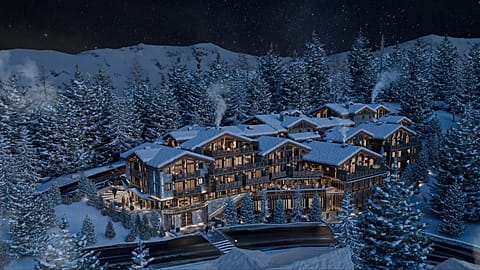
Across the mountains, accommodation ranges from eco-friendly yurts and glamping lodges to alpine hotels with saunas, hot pools and private chalets, offering options for every kind of traveller.
Easing access to the Tien Shan’s spectacular landscapes
Developing the project also means opening access to some of Ile-Alatau National Park’s most remote and spectacular landscapes.
One of them is Great Almaty Lake. In later stages, reversible cable cars will bring visitors to this pristine alpine reservoir. Just 30 kilometres from the city, the lake glows turquoise in summer and turns icy blue in winter.
Glaciers in the Ile-Alatau feed the Great Almaty River, which flows directly into the reservoir. The area is strictly protected, as the lake supplies most of Almaty’s drinking water.
The national park is also home to rare wildlife, including the ibisbill — listed in Kazakhstan’s Red Book — and the elusive snow leopard. The cats roam the peaks and descend toward the lake in spring and autumn in search of prey. Rangers have fitted more than 40 snow leopards with GPS collars to track their movements.
Spanning more than 200,000 hectares, the national park is guarded by around 150 rangers working around the clock to protect its fragile ecosystem. Authorities say the mountain cluster will be developed carefully, balancing tourism growth with conservation.
From world-class winter sports to vibrant cuisine and the dramatic landscapes of the Tien Shan, the Almaty Mountain Cluster is reshaping the Roof of Central Asia for a global audience.