
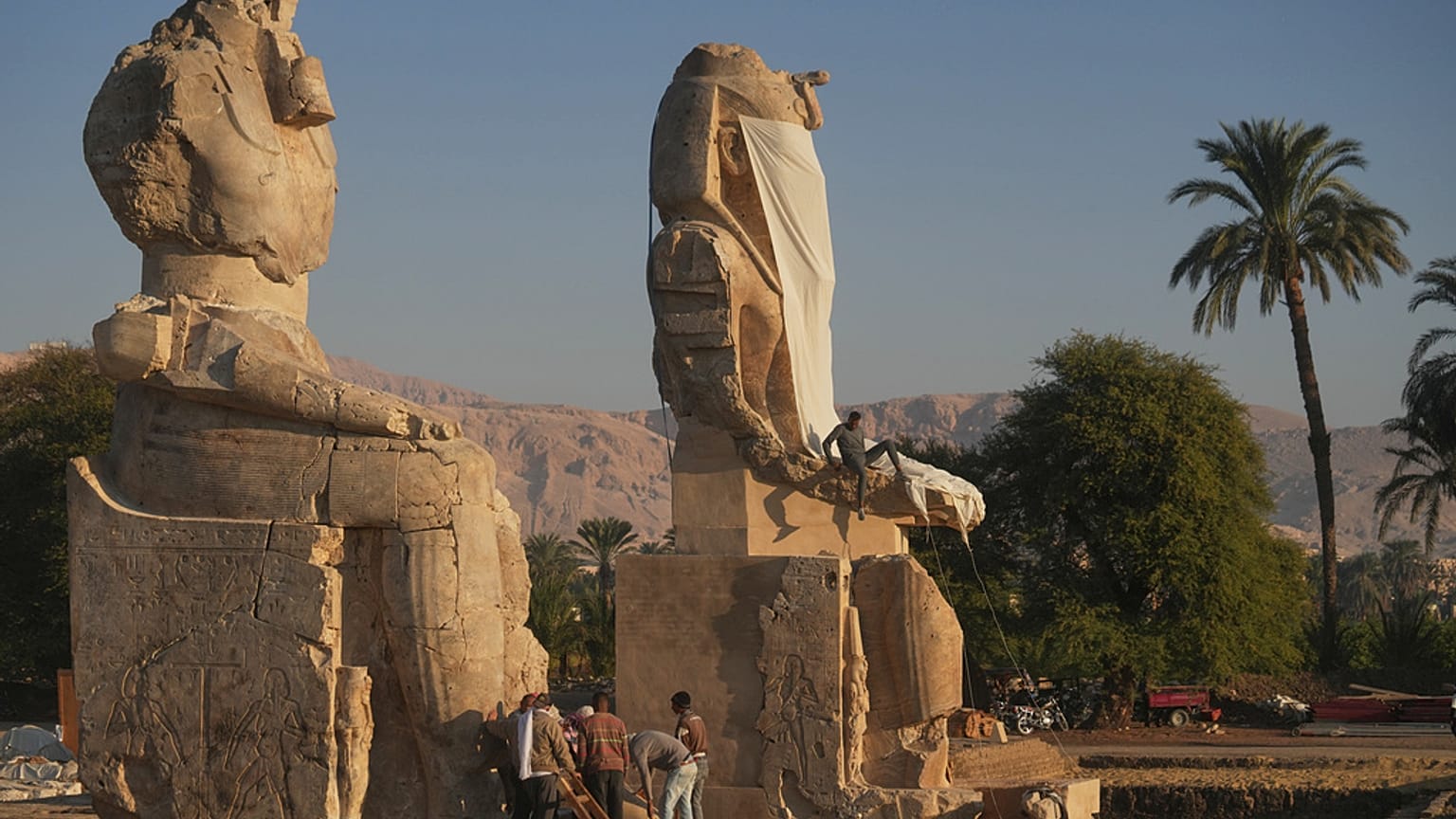














After decades of careful repair and restoration work, the massive statues known as the Colossi of Memnon have been unveiled as part of Egypt's increasing attempts to showcase its vast archaeological wealth.
In the Necropolis of Thebes in Egypt, the renovation of the famous Colossi of Memnon has been completed and the monument is now open to visitors again.
 ADVERTISEMENT
ADVERTISEMENT
ADVERTISEMENT
The Colossi of Memnon were very badly damaged by earthquakes around 1200 BC that also destroyed pharaoh Amenhotep III's funerary temple and the restoration work took almost 20 years.
The enormous twin statues measure 14.5 metres and 13.5 metres high respectively and depict the pharaoh Amenhotep III, who ruled ancient Egypt some 3,400 years ago.
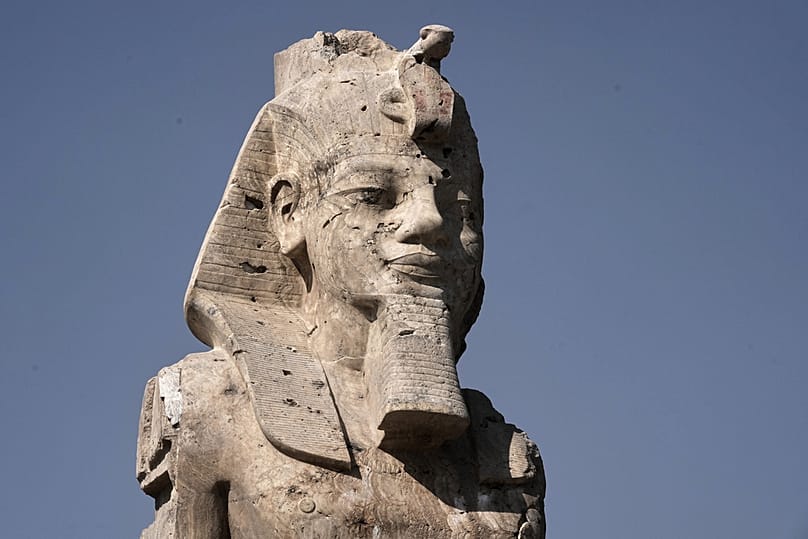
One of the most prominent pharaohs, he reigned during the 500 years of the New Kingdom, which was the most prosperous era for ancient Egypt.
In late 1990s, an Egyptian German mission, chaired by German Egyptologist Hourig Sourouzian, began working in the temple area, including the assembly and renovation of the colossi.
The pharaoh, whose mummy is on display in a Cairo museum, reigned between 1390-1353, a peaceful period known for its prosperity and great constructions.
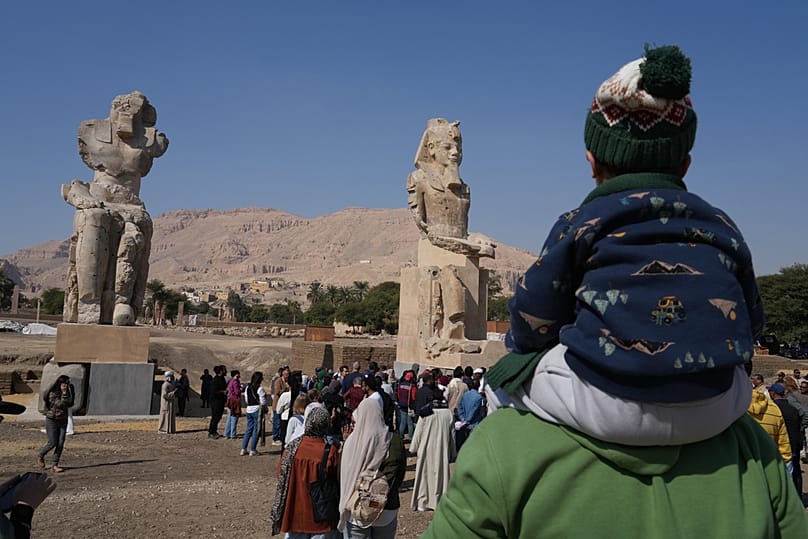
The Egyptian government is stepping up efforts to attract more tourists by showcasing the country's vast archaeological wealth.
Last month saw the inauguration of the Grand Egyptian Museum near the Pyramids of Giza and the Sphinx.