





























A vanished species is returning to Kazakhstan’s vast grasslands, symbolising a broader effort to restore the country’s natural and cultural heritage.
Horses have been central to Kazakh identity for centuries. The nomadic way of life revolved around them, with families following seasonal pastures and crossing vast steppes. Horses carried yurts and belongings, enabled long-distance travel and defence, and shaped daily life, traditions, and even the upbringing of children.
 ADVERTISEMENT
ADVERTISEMENT
ADVERTISEMENT
Northern Kazakhstan was once home to the Botai culture, dating back over 5,000 years, where scientists believe the world’s first horses were domesticated. Archaeological evidence of horse milking underlines their central role in early nomadic life. This heritage continues to influence Kazakh culture today, from national sports to festivals and rural traditions.
The historic return of Przewalski’s horses
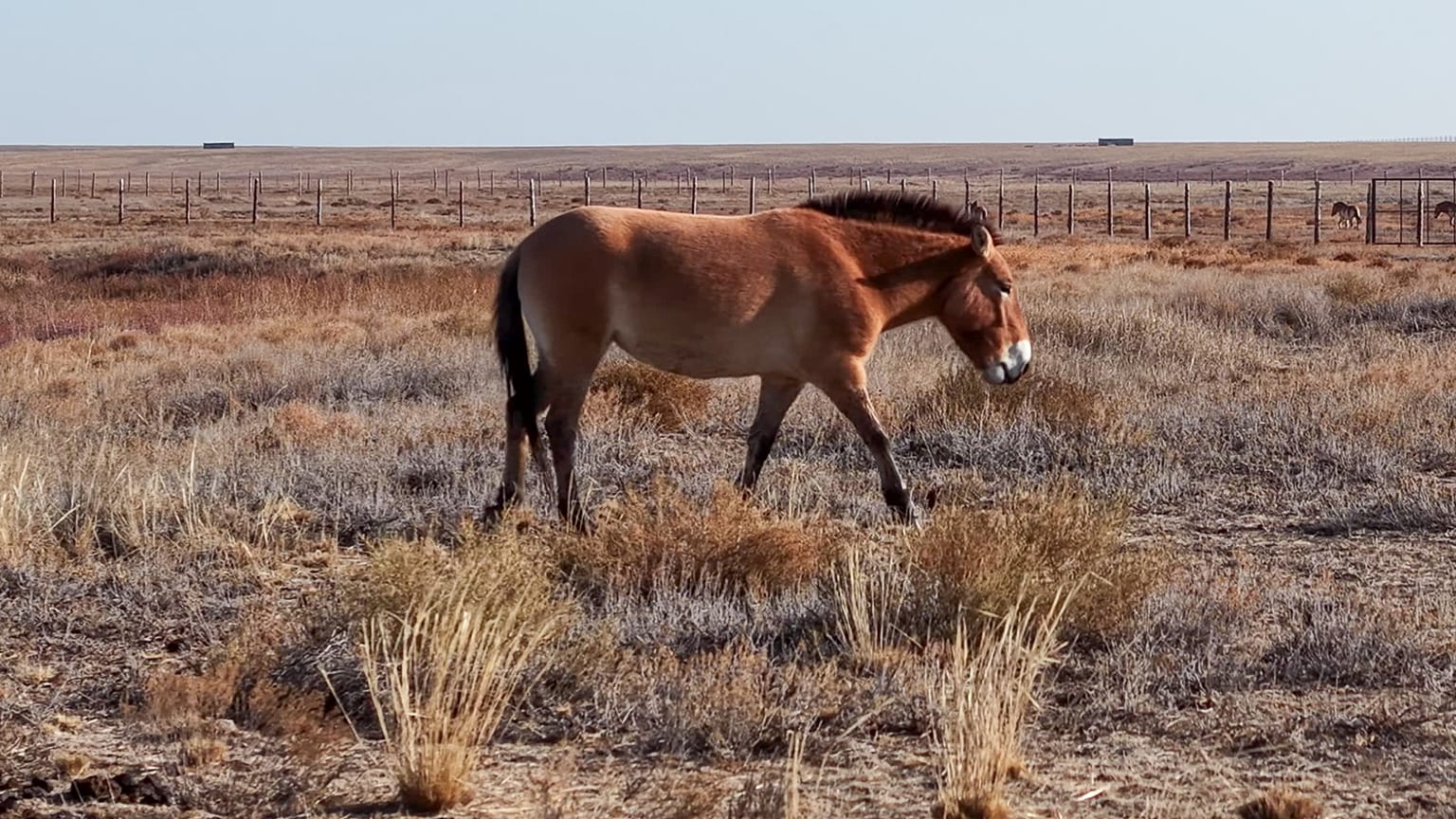
Among Central Asia’s most iconic species is the Przewalski’s horse — the world’s only genetically wild horse. The species disappeared from the wild in the 20th century, and decades of conservation work in Europe have now made possible its return to Kazakhstan’s steppe for the first time in more than 200 years.
The reintroduction is led by the Altyn Dala Conservation Initiative, which focuses on restoring species vital to Kazakhstan’s natural heritage.
Horses were transported from European conservation programmes, including Prague Zoo in the Czech Republic and Hortobágy National Park in Hungary, and brought to the Alibi Reintroduction Centre in the Kostanay region.
“We have goods conditions for returning Przewalski’s horses to this area, and also a kind of obligation, because this is an essential and important animal for Kazakh identity — the place of the first domestication of horses 5,000 years ago,” said Anne Dohrmann, Project Officer for Large Herbivore Reintroduction at the Frankfurt Zoological Society.
So far, 14 Przewalski’s horses have been relocated, and reintroduction efforts will continue until 2029.
“Kazakhstan is the historic range of the Przewalski's horse. We have large areas historically home to big ungulates such as kulans. The grasslands are ideal, the climate is suitable, and the protected-area network gives us confidence the animals will be safe. We hope they will breed successfully, ensuring a future for the species,” said Albert Salemgareyev, Lead Specialist at the Association for the Conservation of Biodiversity of Kazakhstan.
After years in captivity, the horses are being closely monitored as experts work to create the right conditions for breeding.
“A population of 40–50 horses can become self-sustaining. We are confident that in the coming years, this population will stabilise. We have a responsibility to restore every species that once lived in our nature. The horse is a national symbol with deep historical significance,” said Daniyar Turgambayev, Chairman of the Committee of Forestry and Wildlife at Kazakhstan’s Ministry of Ecology.
Horse breeding today
For centuries, Kazakhs have been renowned as skilled horse breeders — a tradition that continues with breeds such as the Kostanay and the Adai.
In 2023, the Adai horse was officially recognised as a distinct Kazakh breed. Native to western Kazakhstan near the Caspian Sea, it is prized for its stamina and hardiness, able to endure extreme temperatures and travel long distances.
In traditional Kazakh sports, local breeds are especially valued for their strength and endurance. These qualities are essential for ancient nomadic games such as kokpar (a mounted competition involving a goat carcass), horseback archery, and baiga (long-distance racing). Events like the World Nomad Games and Uly Dala Zhorygy (the Great Steppe Ride) continue to celebrate these traditions.
From the Botai culture’s first domesticated horses to the selective breeding of today, horses remain central to Kazakhstan’s heritage and nomadic identity.