















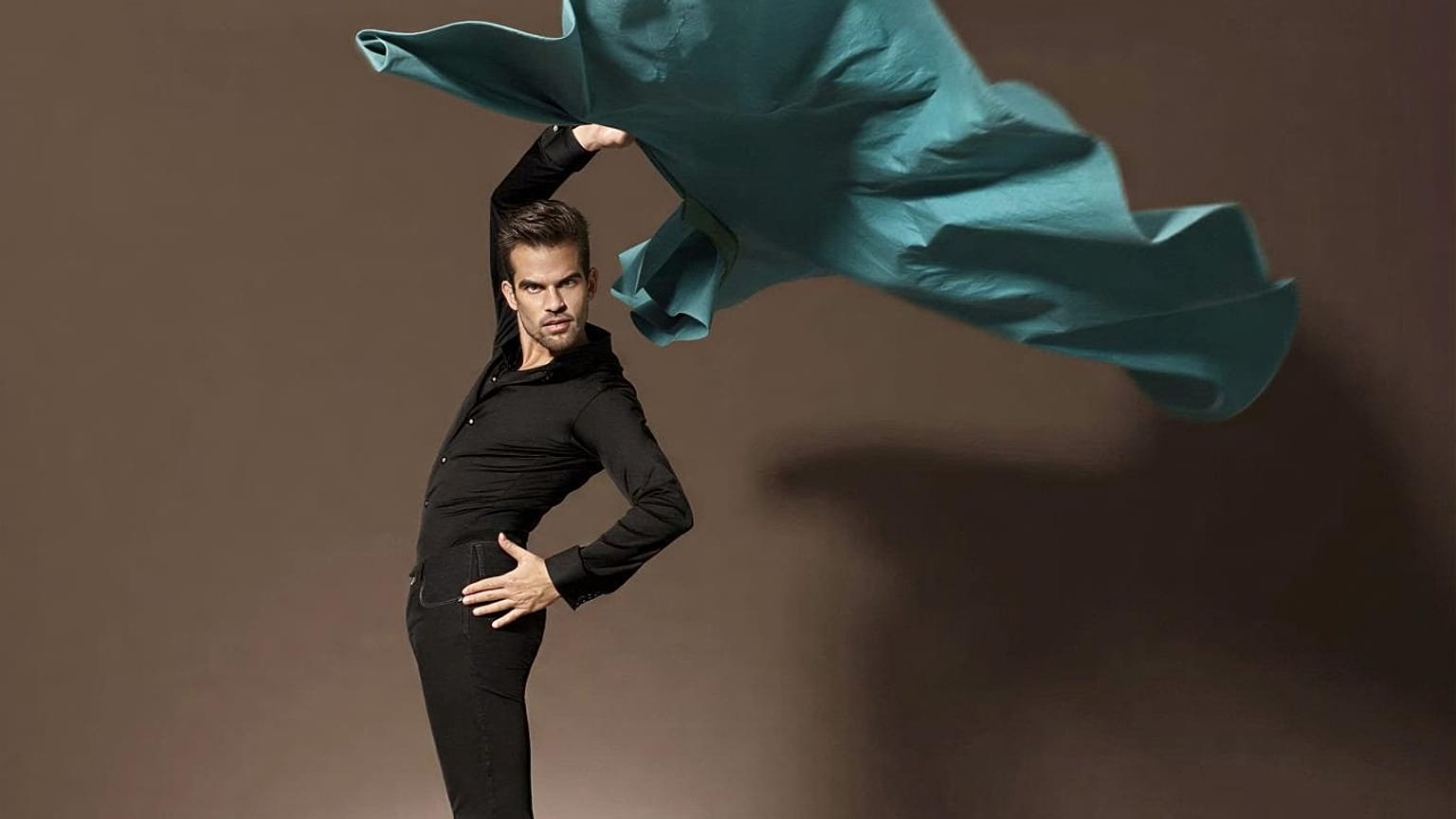














From the Malaga Fair to the great theatres of the world, from the Olympic Games to Disney: Antonio Najarro's career is that of a creator who has taken Spanish dance beyond its traditional limits without ever losing its essence.
Introverted and shy as a child, Antonio Najarro found in dance not only a vocation, but also a form of vital expression. He grew up surrounded by Andalusian folklore and the popular pulse of the Feria de Málaga, where he began to dance almost without realising it, losing his embarrassment amidst improvised 'corrillos' and spontaneous applause.
 ADVERTISEMENT
ADVERTISEMENT
ADVERTISEMENT
It was his family who saw an opportunity for Antonio to lose his shyness and sensed that this impulse was more than just a pastime and encouraged him to train professionally.
The path led him to the Royal Professional Conservatory of Dance in Madrid, where he studied for 11 years and cemented a career that today is a benchmark in Spain and abroad.
Antonio has done it all: he has been a prima ballerina, choreographer, founded his own company, created dances for Disney and has even made the leap to Olympic sport, collaborating with synchronised swimming and figure skating teams.
More than three decades after leaving the conservatory, Najarro continues to repeat an idea that runs through his entire career: illusion as a creative engine. "No two days are the same," he tell Euronews Culture.
His agenda combines rehearsals, performances, interviews and projects ranging from stage dance to elite sport. This diversity, far from dispersing him in too many directions, has nurtured a career marked by curiosity and openness to new languages.
From performer to director: learning artistic leadership
First dancer of Spain's National Ballet and later its artistic director at the age of 35, Najarro experienced from the inside the complexity of a large public institution. That period taught him to manage large teams, administrative structures and lengthy decision-making processes.
In 2002 he founded his own company and that meant a radical change: a more intimate environment, immediate decisions and an artistic language shared with dancers who know his style in depth.
This balance between rigour and proximity defines his way of working. Maximum demand, yes, but always from a constructive point of view. "Excellence cannot be improvised", he insists, and that is why even shows premiered years ago continue to undergo corrective sessions before each performance.
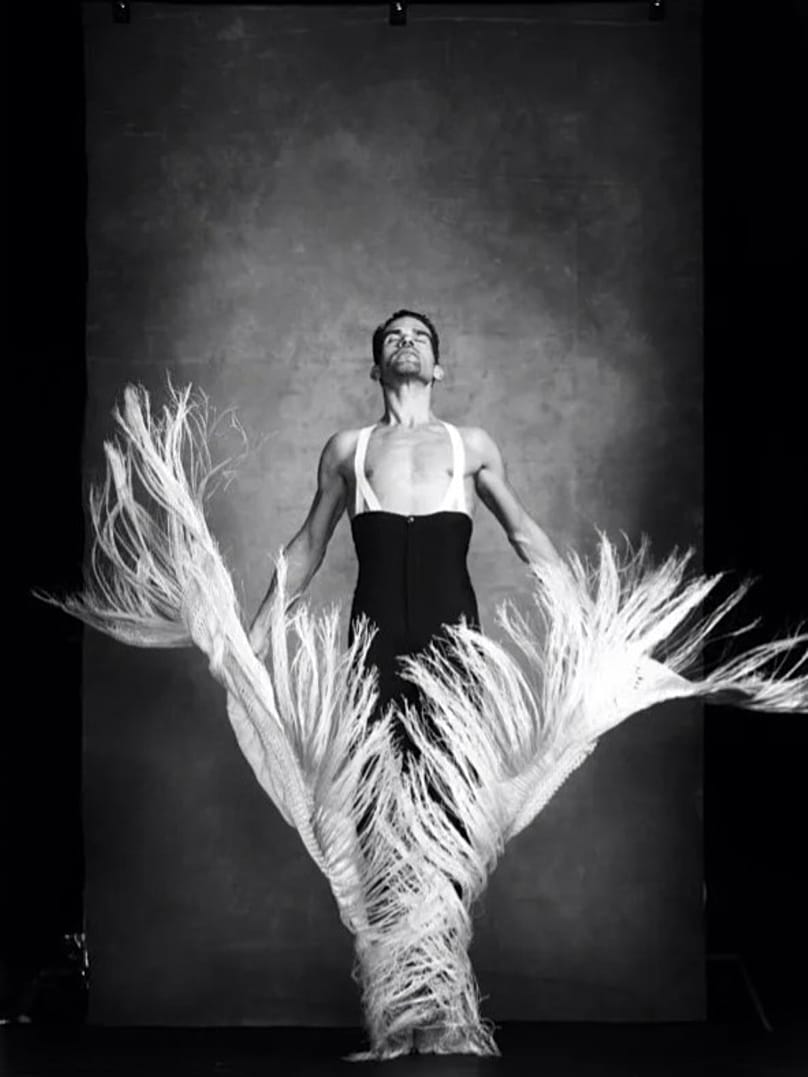
The mark of the masters and the construction of his own hallmark
Antonio Gades was one of the key names in his training. From him, he learned that the apparently simple is, in reality, the most difficult thing to execute.
Gades taught him to restrain technical virtuosity in order to give priority to the character, to stage truth, to walk on stage with intention and character.
The choreographer begins an anecdote to provide a glimpse of what the legendary Gades was like in his quest for naturalness. The master made him walk for two hours to embody the character he was playing. That lesson marked his way of understanding Spanish dance forever.
From those years with the great masters of Spanish dance, he learnt that each creator is different and that each one's own imprint is marked by his own personality. From all of them he drew lessons that have helped him to reach the heights at which he is one of the most successful Spanish choreographers of our time.
Far from being carried away by passing fashions, Najarro has remained faithful to a recognisable aesthetic line. Anyone who has attended a performance by the Compañía Antonio Najarro will have recognised the choreographer's hand behind the show. His creations have an instantly identifiable stamp of their own - extreme attention to movement, costumes, lighting and musicality. Innovation, yes, but always with respect for the learned bases and a tradition that he considers inalienable.
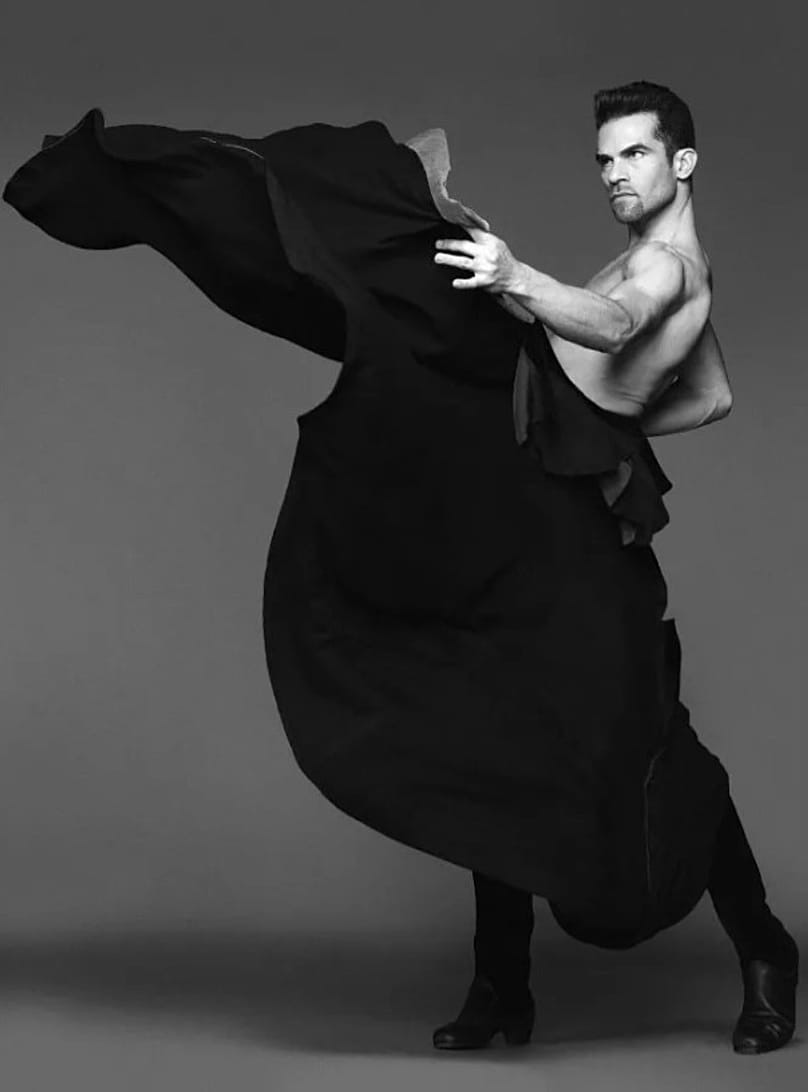
Inspiration without frontiers: fashion, cinema, sport and the stage
For Najarro, inspiration is everywhere. A fashion show, a film, a photograph or a landscape can become the spark of a choreography. This transversal view explains his leap into unusual territories for Spanish dance, such as figure skating and artistic swimming.
Her immersion in the world of sport began more than 25 years ago and culminated with the French figure skating pair winning Olympic gold at Salt Lake City 2002. This moment marked a turning point in the discipline, which began to include the figure of the dance choreographer.
Since then, he has participated in the winning of eight Olympic gold medals and has collaborated with elite athletes from all over the world. He brought an expressiveness and a narrative to his programmes that had never been seen before. Najarro made the Olympics even bigger, but the Olympics also helped him to understand the pressure faced by these athletes who go out and have only a few minutes to defend the work of years and face the critical eyes of judges and spectators.
The experience taught him to relativise stage pressure and to value even more the discipline and sacrifice shared by art and sport: "Without effort, discipline, repetition... nothing is achieved, neither in sport nor in art," says Najarro.
Technology as a danger to art
Najarro is cautious about the impact of artificial intelligence on artistic creation, although he rules out the possibility of it replacing dance as a living art. In his opinion, real emotion only exists in live performances: no show is the same two days in a row and that unpredictability is precisely its essence, and there is no AI that can manipulate it.
However, he warns of a deeper risk linked to technology in general: the trivialisation of effort. Constant access to videos and references can generate the false sensation that excellence is immediate, when in reality there are years of discipline, repetition and sacrifice behind it. "Technology can make us lose interest in seeing an artist on stage," he points out, stressing that without consistency there is neither art nor authentic creation.
Disney, opera and international exposure
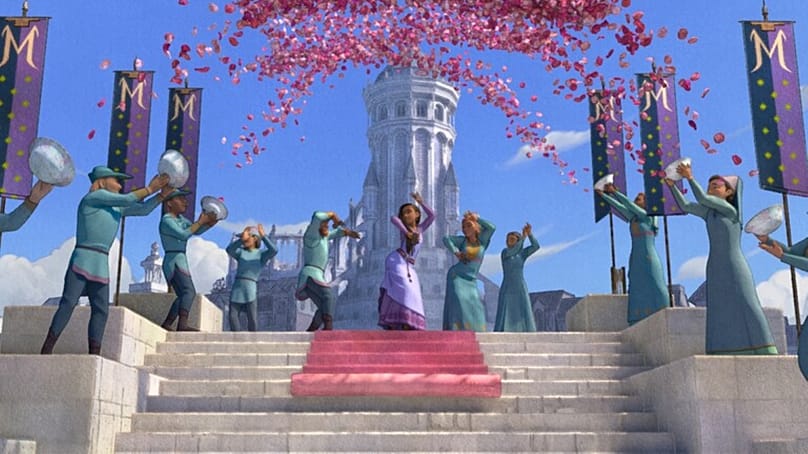
Another milestone came with Disney. Najarro was in charge of fulfilling the dream of many and working with the 'house of the mouse'. The dancer choreographed the main theme of Wish, the studio's centenary film, inspired by the Iberian Peninsula.
The choreography was born in the theatre in Pozuelo de Alarcón where we met Najarro for this interview. On that stage he created the choreography together with the dancers of his company. Through exhaustive hand-in-hand work with the creative teams in Los Angeles, he transferred the essence of Spanish dance - the hand movements, the look, the sound of the castanets - to the language of animation.
To this must be added his constant presence on the big international stages and his forthcoming incursion into opera, with 'Carmen' in Los Angeles. Japan, Argentina, China and Russia are among the countries where his company is celebrated in a way which, according to him, often surpasses how it's received in Spain.
Nonetheless, Najarro is a fierce defender of the art of Spanish dance, a "unique dance in the world" that deserves he says greater recognition at a national and institutional level.
A pending cultural claim to protect the essence of Spain
This perceived lack of visibility within his own country is for Najarro a major concern. To address the problem he believes dance needs better incorporation with the national curriculum and a greater presence in the media. He himself directed and presented for two seasons the programme 'Un país en danza' on Spanish national television, however, he continues to observe how the art of dance does not form part of the general cultural agenda in Spain.
The creation of a national dance theatre could help remedy the situation he believes, just as there is a theatre dedicated to Zarzuela, which would give weight to a unique discipline in the world that forms part of Spain's cultural identity and yet remains unknown to a large part of the public.
He believes that dance not only forms artists, but people who are more empathetic, sensitive and aware of their bodies and emotions.
After the premieres of 'La Argentina en París' and 'Les Ballets Espagnols de La Argentina', an ambitious project that recreates historical ballets byAntonia Mercé, 'La Argentina', with major orchestras and co-producing theatres; Najarro continues to tour with his company around Europe and Asia.
He does not talk about specific goals or pending dreams, but about something simpler and, at the same time, more difficult; getting up every morning with the same enthusiasm as that child who danced in the streets of Malaga. Because, for Antonio Najarro, that continues to be the true driving force behind all creation.