















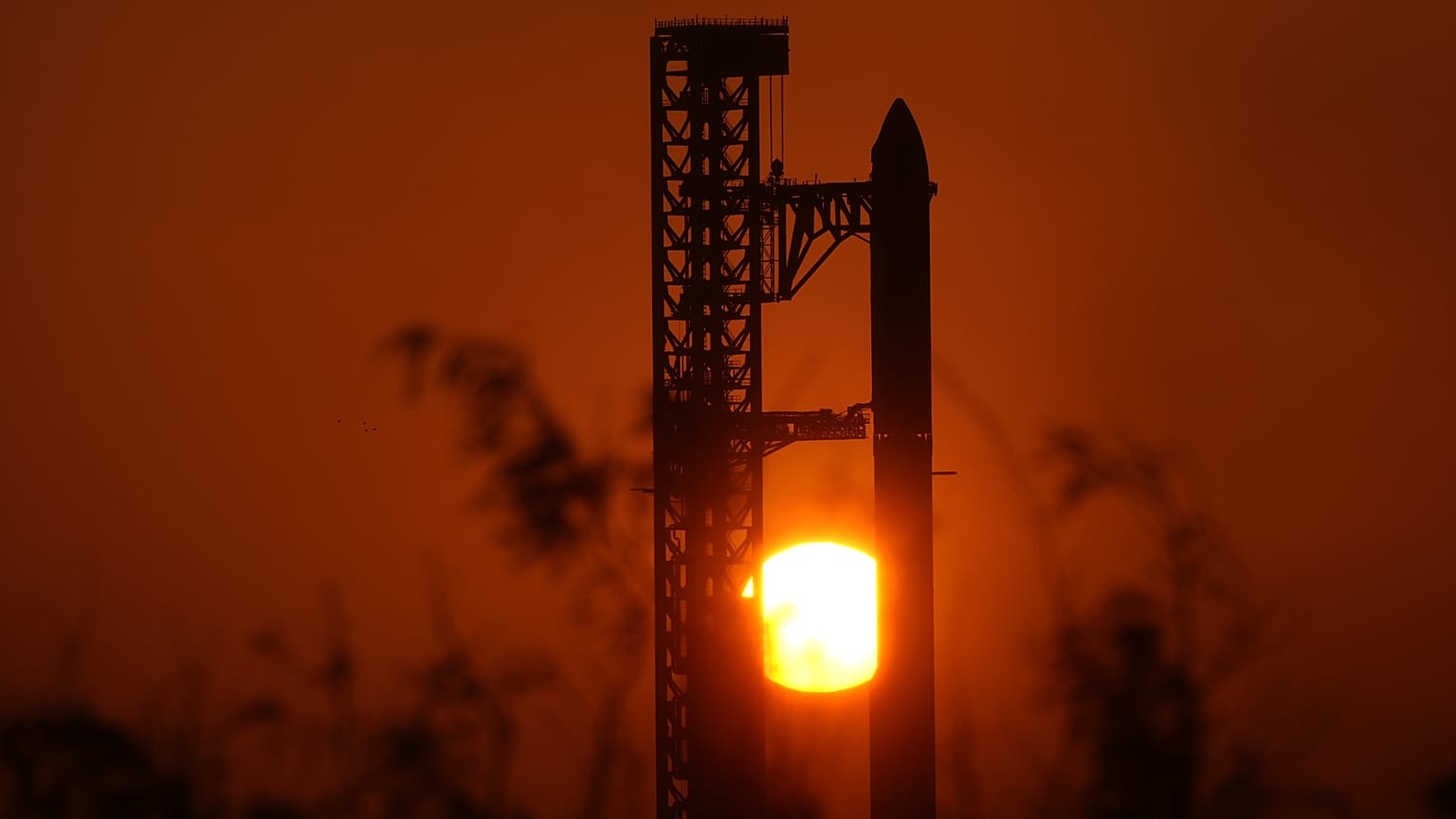














SpaceX shares have fallen for a third straight session, sinking to their lowest level since the firm's market debut and wiping out most of the spectacular gains made after its IPO, just as it launches its first-ever bond sale.
SpaceX shares closed at $154.63 on Monday, down around 16% on the day. That leaves them within touching distance of the $150 at which the shares first changed hands when public trading opened, the level set once underwriters finished building the order book, though still some way above the $135 price at which the IPO itself was struck.
 ADVERTISEMENT
ADVERTISEMENT
ADVERTISEMENT
The slide has erased more than $600 billion (€524.2bn) in market value over three trading days, dragging the company down from a peak that had lifted it past Amazon and, fleetingly, Microsoft, in terms of market capitalisation.
Its valuation now sits just above $2 trillion (€1.74tn), below Taiwan Semiconductor Manufacturing Company (TSMC), making it the seventh most valuable company in the world.
The retreat unwinds a remarkable opening run.
After the open at around $150 on 12 June, shares climbed to almost $226 by 16 June, a gain of roughly two-thirds before the company had published a single set of results as a public firm.
Currently, SpaceX is trading over 30% lower than the intraday high of around $226 and only 3% higher than the opening price.
That rally always rested on a thin pool of freely traded shares and lofty expectations for its AI ambitions, leaving it exposed to a sharp reversal once sentiment turned.
Tapping debt to fund the AI push
The latest leg down on Monday coincided with SpaceX's first move into the corporate debt market.
The company announced an inaugural offering of senior unsecured notes, with people familiar with the plans reportedly putting the target at around $20 billion (€17.4bn).
The proceeds are earmarked chiefly to repay a bridge loan taken on during its merger with Elon Musk's AI venture xAI earlier this year, with the remainder going to general corporate purposes.
The debut bond sale follows the investment-grade credit ratings awarded last Friday by all three major agencies, Moody's at Baa1, Fitch at BBB+ and S&P Global at BBB, which open the door to cheaper borrowing and a wider pool of institutional lenders.
In documents tied to the offering, SpaceX also disclosed a cash position of roughly $100.8 billion (€88bn) as of 19 June, much of it raised in the IPO, alongside $29.1 billion (€25.4bn) of long-term debt.
That mix of vast cash reserves and fresh borrowing so soon after a record flotation has unsettled some investors, who see the rapid fundraising as a sign of heavy spending ahead as SpaceX scales its AI and data centre plans.
Opting for debt rather than new shares does, however, spare existing shareholders further dilution, preserving their economic stake while the company funds its expansion.