














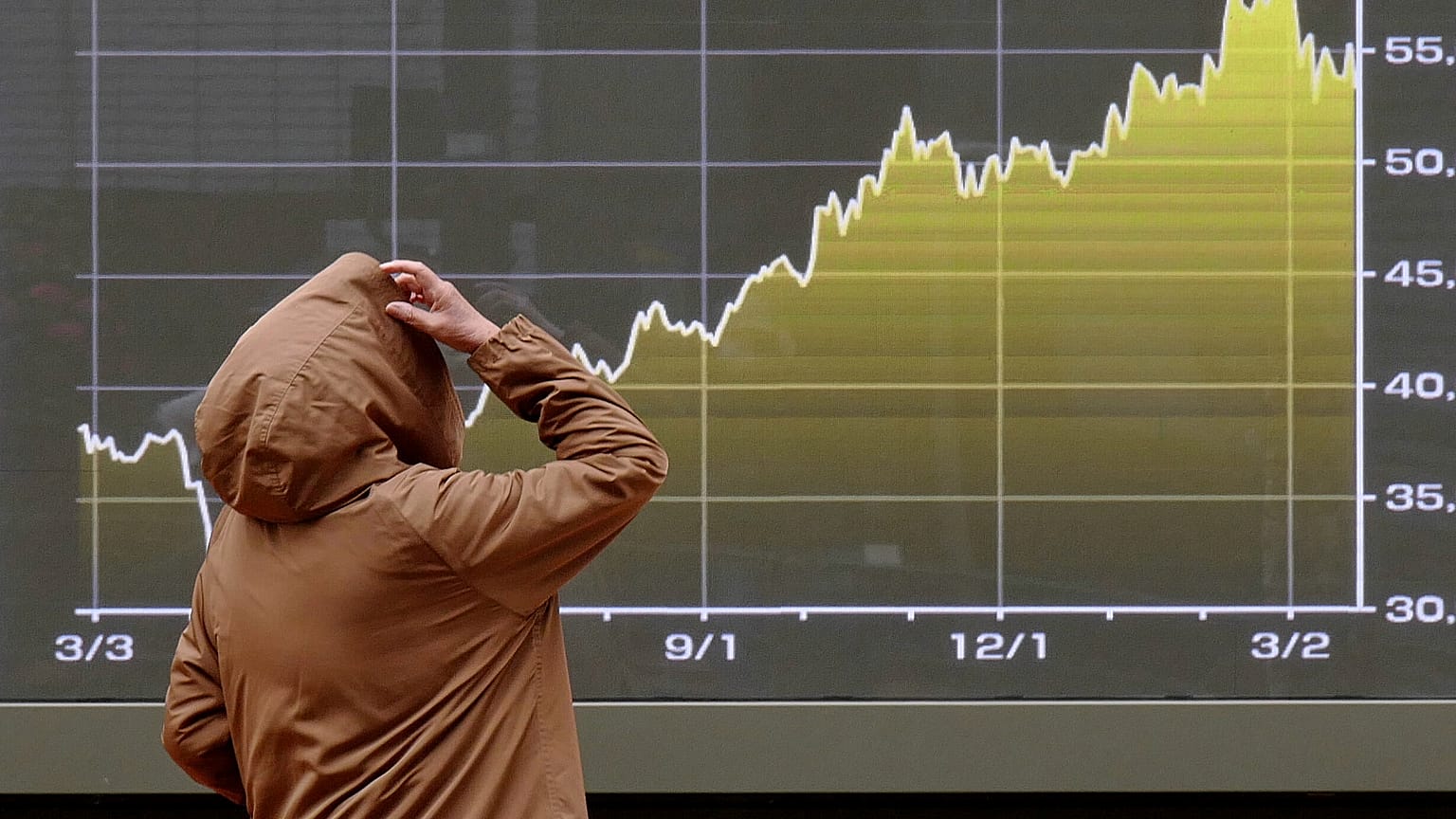













Oil prices fell more than 4% and European shares gained on Wednesday on the possibility of a de-escalation in the Iran war.
European stock markets opened higher on Wednesday, in line with a more optimistic mood in Asia, driven largely by hopes that the US may be engaged in talks with Iran — even as Washington deploys thousands of troops to the Middle East, with no firm decision yet on ground deployment.
 ADVERTISEMENT
ADVERTISEMENT
ADVERTISEMENT
US President Donald Trump said that progress was being made in talks with Iran this week, and his postponement on Monday of a deadline to "obliterate" Iran's power plants over the reopening of the Strait of Hormuz has also fueled optimism that an end to the Iran war could come soon.
Washington is said to have offered a 15-point ceasefire plan to Iran, but an Iranian military spokesperson mocked the US's attempt at a ceasefire deal on Wednesday.
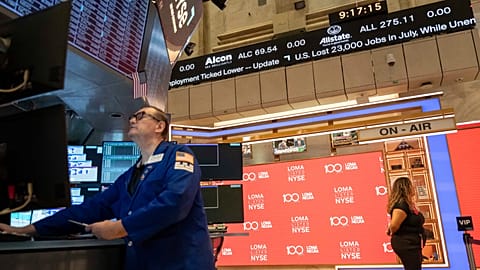
Leading European stock indexes were gaining in the opening, with the FTSE 100 in London being up by nearly 0.9%, the CAC 40 in Paris traded up by 1.4%, and the DAX jumped by 1.7% in Frankfurt.
“The FTSE 100 moved back through the 10,000 level, led by banks and miners," said Russ Mould, investment director at AJ Bell. "Oil prices remained volatile as talk of a potential peace plan was offset by ongoing strikes in the Middle East and reports of the US sending more troops to the region," he added.
In the UK, the latest inflation data show that prices rose by 3% in February compared with a year earlier, unchanged from the previous month.
“Today’s inflation reading of 3% on the headline measure and 3.2% on the core gauge needs to be treated with caution,” said Lindsay James, investment strategist at Quilter.
“It captures February, so it predates the escalation in the Middle East at the very end of the month.”
Analysts say the key question now is how persistent the impact of higher oil prices on inflation will be. “In the short term, the effect may be contained,” James added.
As for interest rate expectations from the Bank of England, these “have changed radically in recent weeks as the market braces itself for an inflationary shock,” Mould said.
Oil and gas prices ease
Oil prices fell again on rising hopes of de-escalation.
Brent crude, the international standard, fell more than 4% and traded close to $100 a barrel.
Benchmark US crude was down by more than 3.7% early Wednesday, just below $89 a barrel.
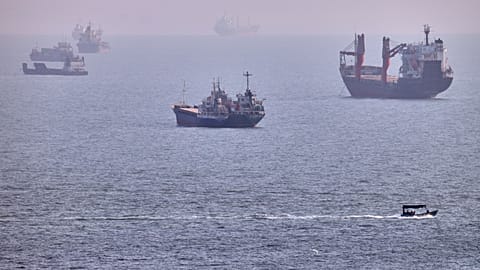
With the Strait of Hormuz being a key waterway for crude oil and liquefied natural gas transport, oil and gas prices have spiked and fluctuated in recent days.
Hopes that the traffic may be slowly resuming were also supported by reports that Iran chose to let a number of vessels pass through the strait, rather than imposing full disruption, according to ship tracking service Kpler.
While Iran has denied that negotiations were taking place and attacks in the Middle East continued, Pakistan has offered to host talks between Washington and Tehran.
Investors turn optimistic
In other dealings on Wednesday, US futures edged higher in early European trading, while gold and silver prices surged and cryptocurrencies also gained.
Gold prices resumed their rise after falling earlier.
Prices dropped in part because of rising US Treasury yields, amid dimming expectations of a Federal Reserve rate cut after the spike in oil prices threatened to fuel global inflation.
The price of gold was up 3.6% at $4,557.30 per ounce early Wednesday in Europe. It was above $5,000 earlier this month.
Silver price was at 73.445, up by more than 5.5% at the same time. The CoinDesk Bitcoin Price Index was up 2.5%, just above $71,000 at around 8:30 CET.
Trade in Asia was also boosted. Tokyo's Nikkei 225 was up 2.9%, Hong Kong's Hang Seng rose 0.7%, the Shanghai Composite index was up by more than 1.2% and South Korea's Kospi gained 1.6%.
Labubu doll maker Pop Mart's Hong Kong-listed shares fell more than 15% after it announced annual revenue for last year that was largely in line with analysts' estimates.
The US dollar was at 158.98 Japanese yen, up from 158.69. The euro was trading at $1.1591, down from $1.1608.