












CEO says customers have yet to form an “emotional connection” with EVs, pushing the brand towards a focus on hybrid power instead.
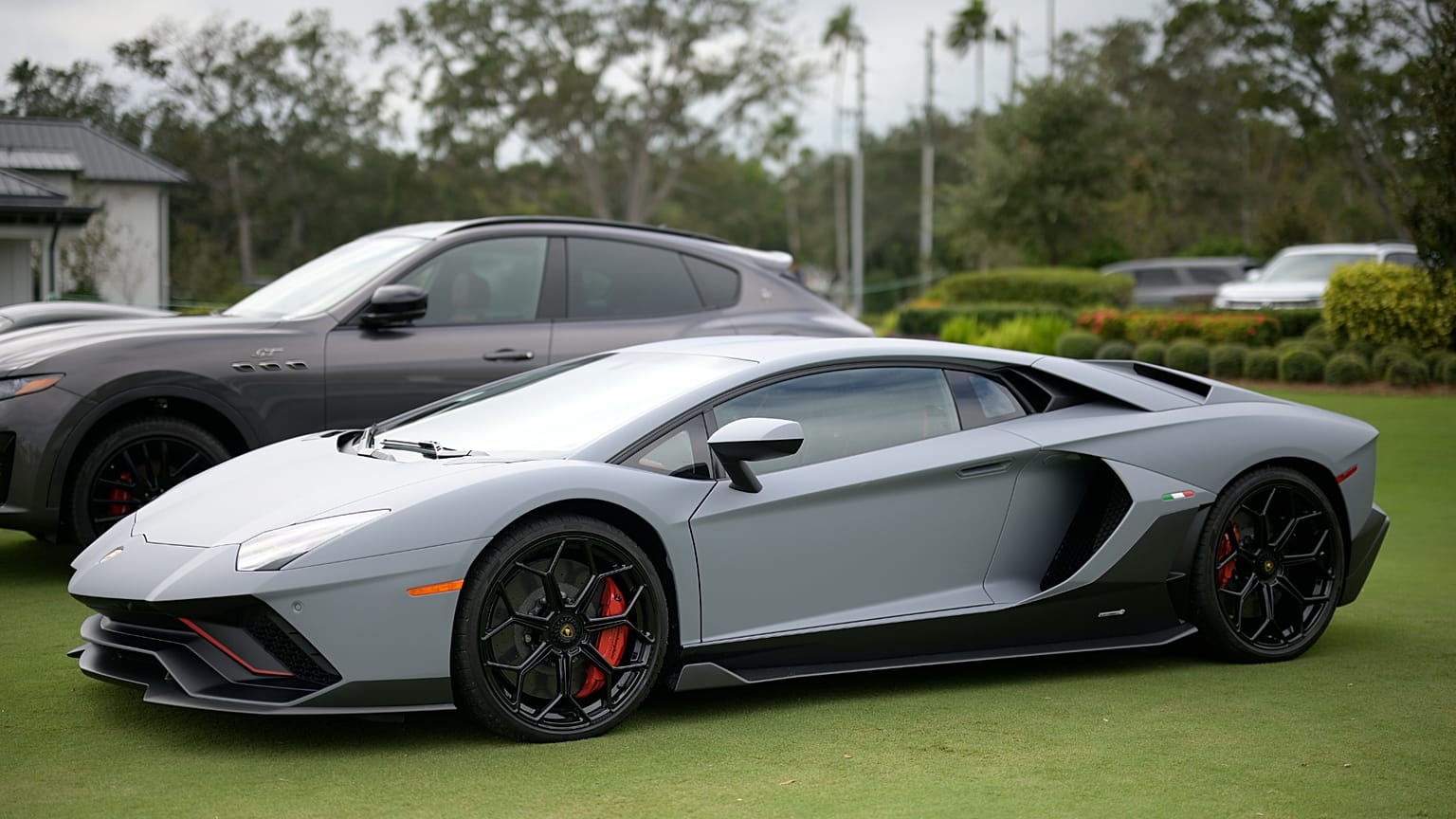
Lamborghini has abandoned plans to bring its first fully electric supercar to market, pivoting instead to plug-in hybrids as it responds to weak demand from its core luxury buyers.
 ADVERTISEMENT
ADVERTISEMENT
ADVERTISEMENT
The high-end luxury car producer confirmed that the long-trailed Lanzador electric model, unveiled as a concept in 2023, will no longer reach production based on an interview with Lamborghini chief executive Stephan Winkelmann published by The Sunday Times.
Instead, it will be replaced by a plug-in hybrid vehicle (PHEV), cementing a strategy shift that will see the company’s line-up fully hybridised by the end of the decade.
Cooling appetite for electric supercars
The decision underscores growing caution among high-performance carmakers about the pace of electrification in the luxury segment.
Winkelmann signalled that customer enthusiasm, which is a critical factor for ultra-premium brands, has not materialised as expected.
“The acceptance curve” for battery-electric Lamborghinis in the company’s target market is “close to zero”, he told The Sunday Times.
He warned that pressing ahead regardless would carry financial risks.
“Investing heavily in full-EV development when the market and customer base are not ready would be an expensive hobby, and financially irresponsible towards shareholders, customers [and] to our employees and their families,” Winkelmann said in the interview.
The chief executive added that the company’s clientele continues to prioritise the sensory appeal of traditional cars.
“EVs, in their current form, struggle to deliver this specific emotional connection.”
Hybrids positioned as the compromise
Lamborghini now sees plug-in hybrids as the optimal bridge between regulation and brand identity. The group has already electrified its current range, including the Revuelto, Urus and Temerario, using hybrid technology.
“Plug-in hybrids offer the best of both worlds, combining the agility and low-rev boost of electric battery technology with the emotion and power output of an internal combustion engine,” Winkelmann said.
He added that conventional engines would remain in production “for as long as possible”.
The shift is notable because Lamborghini had previously signalled that a full-electric model would arrive later this decade. The Lanzador had been positioned as a cornerstone of that strategy.
Why the move matters
The rethink by one of the world’s most recognisable supercar brands highlights a broader tension in the automotive transition. While regulatory pressure is accelerating, consumer appetite, especially at the top end of the market, remains uneven.
Lamborghini delivered a record 10,747 vehicles in 2025, buoyed by strong hybrid sales. Europe and the Middle East remain its largest markets, though the company reported softer performance in the Americas.
Industry watchers say the decision reflects a pragmatic calculation.
Unlike mass-market manufacturers, low-volume luxury brands depend heavily on emotional appeal and brand mystique — areas where fully electric drivetrains have yet to win over traditional performance buyers.
Still, Winkelmann stopped short of ruling out a future electric Lamborghini.
“Never say never, but only when the time is right. For the foreseeable future, only PHEVs.”
Regulatory pressure still looming
The strategic pause comes as the EU pushes towards a 2035 phase-out of new combustion-engine cars, while the UK maintains a 2030 ban timeline for most petrol and diesel models.
As a small manufacturer, Lamborghini currently benefits from emissions exemptions until 2035 and is expected to seek their renewal.
Winkelmann cautioned that the industry faces a challenging transition period this decade.
“The times we are living in are fast moving; if you don’t react fast, you risk going out of business or losing momentum,” he said.