














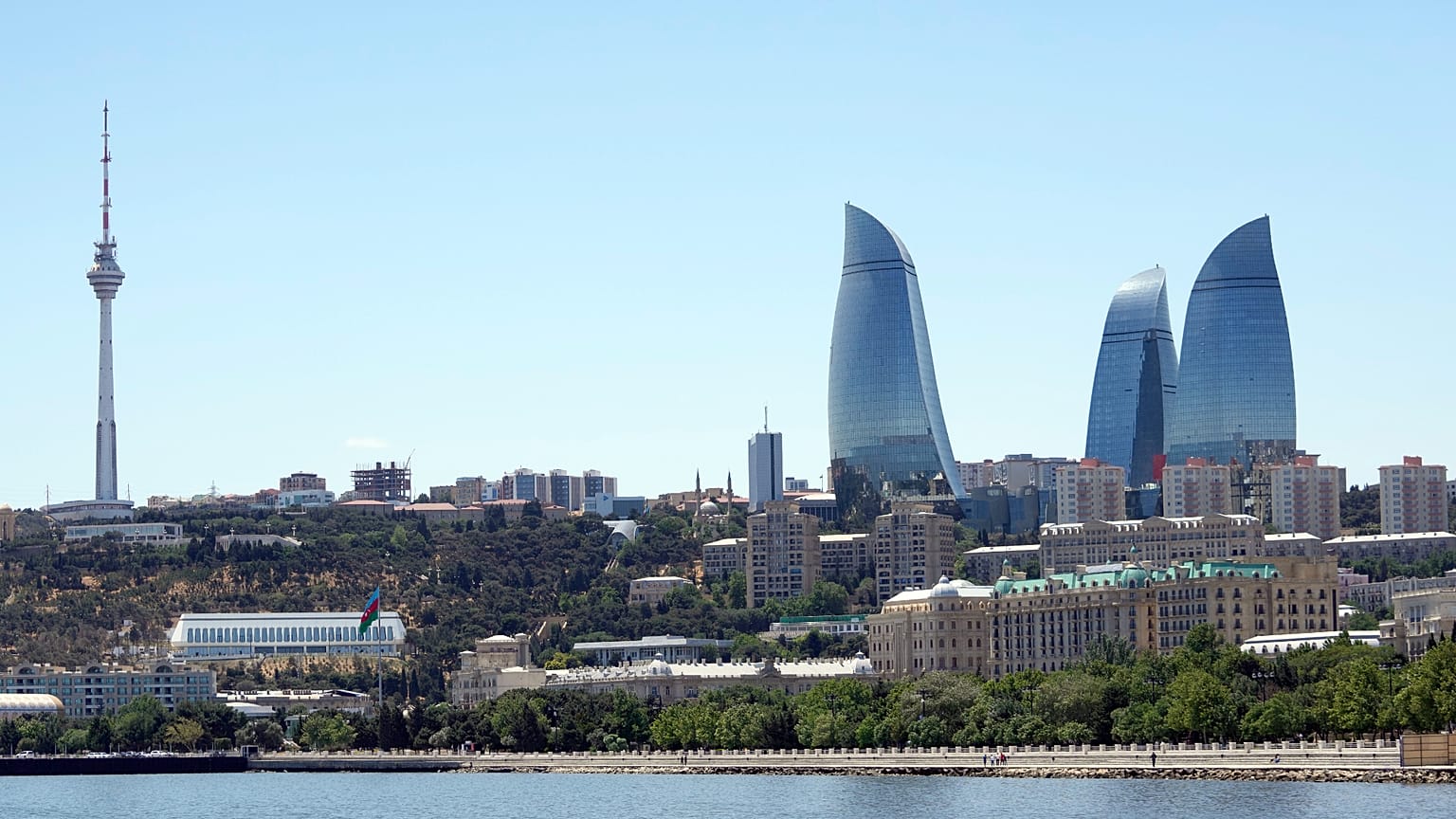













Azerbaijan is strengthening cooperation with the OECD to reinforce the country's role as a reliable European partner and expand its integration into global markets.
Azerbaijan is deepening its strategic cooperation with the Organisation for Economic Co-operation and Development (OECD) as part of a broader effort to modernise its economy and align with international standards. The expanded partnership is aimed at supporting structural reforms designed to improve transparency, attract foreign investment, and strengthen the country’s integration into global markets.
 ADVERTISEMENT
ADVERTISEMENT
ADVERTISEMENT
Under the enhanced cooperation framework, Azerbaijan will focus on capital market development, trade facilitation, and improved connectivity. These areas are seen as critical to reducing bureaucratic barriers, simplifying logistics for international trade, and strengthening corporate governance practices in line with global norms.
In practical terms, the reforms are expected to create more efficient trading routes, deepen domestic capital markets, and improve regulatory oversight. Officials say the changes will help boost investor confidence and position Azerbaijan as a more competitive and predictable destination for foreign capital.
The OECD’s role is expected to provide technical expertise and policy guidance, helping Azerbaijan benchmark its reforms against best international practices. Analysts note that closer cooperation with the OECD signals a push toward greater economic transparency and rule-based governance, key criteria for long-term investment and sustainable growth.
Mr. Martin Vladimirov, director of the geoeconomics and energy security programmes at the Centre for the Study of Democracy (CSD), a European public policy institute, described the move as strategically significant. “The expansion of strategic cooperation between the OECD and Azerbaijan is an important step forward in Baku’s transatlantic alignment,” he said. “Azerbaijan plays a critical role in Europe’s energy security, and closer cooperation on economic governance strengthens its image as a crucial Western partner in the region,” he added.
Energy security and geopolitical context
Vladimirov also said stronger economic governance supported by the OECD could help ensure that Azerbaijan does not become a gateway for Russia or China to expand their economic footprint in strategically sensitive sectors.
“A push for better and more transparent economic governance with the help of the OECD will reinforce Azerbaijan’s position as a reliable partner for both the EU and the US,” he said.
The cooperation comes at a time when Azerbaijan’s importance to Europe has increased, particularly in the context of energy diversification and regional connectivity. Analysts say economic reforms that improve transparency and regulatory standards could further strengthen trust between Azerbaijan and its Western partners.
Observers note that successful implementation could enhance the country’s competitiveness and strengthen its integration with global value chains.
The expanded OECD partnership is part of a wider reform agenda that Baku says is essential to sustaining growth, modernising the economy, and reinforcing Azerbaijan’s role in regional and international economic systems.