













Uzbekistan’s GDP exceeded €133bn in 2025, supported by higher investment, rising exports, and growing domestic demand, while employment and household incomes continued to improve.
Uzbekistan’s gross domestic product (GDP) exceeded €133bn in 2025, placing the country among the world’s 60 largest economies, according to estimates from the International Monetary Fund, cited by President Shavkat Mirziyoyev in his year-end address. Nine years ago, Uzbekistan’s economy was valued at around €56bn, showing steady expansion over the past decade.
 ADVERTISEMENT
ADVERTISEMENT
ADVERTISEMENT
Economic growth has been accompanied by higher household incomes. According to President, GDP per capita reached €3,220 in 2025, compared with €1,750 in 2017.
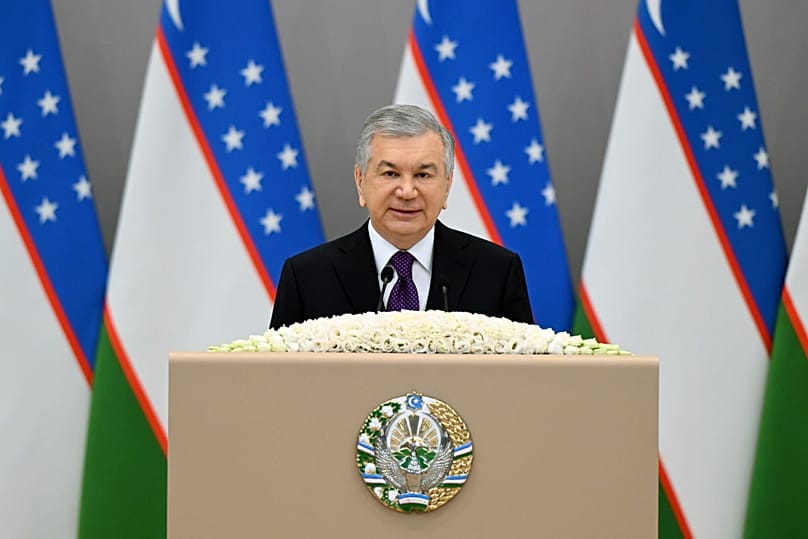
President Mirziyoyev said that in 2025, about five million people gained a stable income, while at the same time, 1.5 million people moved above the poverty line.
Rising incomes have increased consumer spending. Five years ago, residents purchased around 210,000 apartments and 600,000 cars per year. In 2025, these figures rose to 270,000 homes and one million vehicles, reflecting stronger demand in the housing and automotive markets.
“As sectors and industries develop, they create new jobs and new sources of income. Even a single sector — services — now contributes around $84bn (€72.36bn) to gross domestic product. We are placing particular emphasis on the development of digital services," said Gulasal Madrahimova, Dean of Economics Faculty at the Tashkent institute of textile and light industry.
She told Euronews: We can see the '1 million AI programmers' project as an example, as this sector offers opportunities for incomes that are several times higher than average."
Exports, reserves and investment
Economic growth has been supported by higher investment, expanding exports, and rising domestic demand.
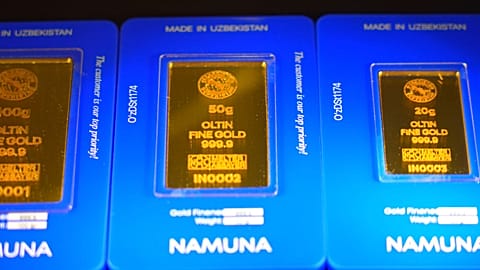
According to Shavkat Mirziyoyev’s address, Uzbekistan’s exports increased by 23% in 2025, reaching €30.7bn, despite slower global trade growth. The country’s gold and foreign exchange reserves exceeded €55bn, providing additional financial stability.
Foreign investment inflows reached €39.7bn in 2025, while total investment accounted for 31.9% of GDP. Over the past nine years, Uzbekistan has attracted around €120bn in foreign investment, compared with €4.1bn in 2017. New investments are being directed mainly toward technology transfer, export-oriented production, energy efficiency, and workforce training.
Reform-driven growth and macroeconomic outlook
Saidislombek Saidhonov, head of the Macroeconomic Forecasting and Modelling Division at Uzbekistan’s Ministry of Economy and Finance, explained that the GDP of Uzbekistan is expected to exceed $145bn in 2025. He noted that GDP per capita has more than doubled compared to data from 2016.
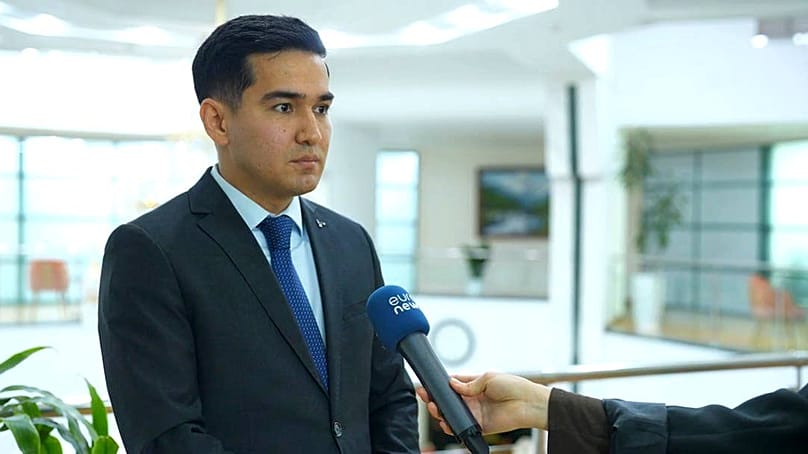
“The GDP growth rate in 2025 is expected to be at about 7.5%. The population of Uzbekistan in this period increased from 32 million to 38 million people. Also the inflation rate in 2025 cooled to 7.3%," said Saidhonov.
He added: "A number of different economic reforms were conducted between 2017 and 2025, initiated by the President of Uzbekistan. These reforms touch different areas of Uzbekistan's economy, including openness, transparency, market liberalisation, foreign currency exchange liberalisation and transformation of state-owned enterprises and banks. ... Initiatives such as the 'budget for citizens' have also been introduced, which increase the role of the private sector.”
International assessments
The International Monetary Fund and the United Nations projected economic growth of 7.3% for 2025, supported by consumption, investment and industrial output in Uzbekistan.
Growth is expected to be driven by infrastructure investment, tourism, high gold prices and domestic demand, while global uncertainties remain a key risk factor.
According to the World Bank's latest report, Uzbekistan is projected to rank among the three fastest-growing developing economies in the Europe and Central Asia (ECA) region in 2026.
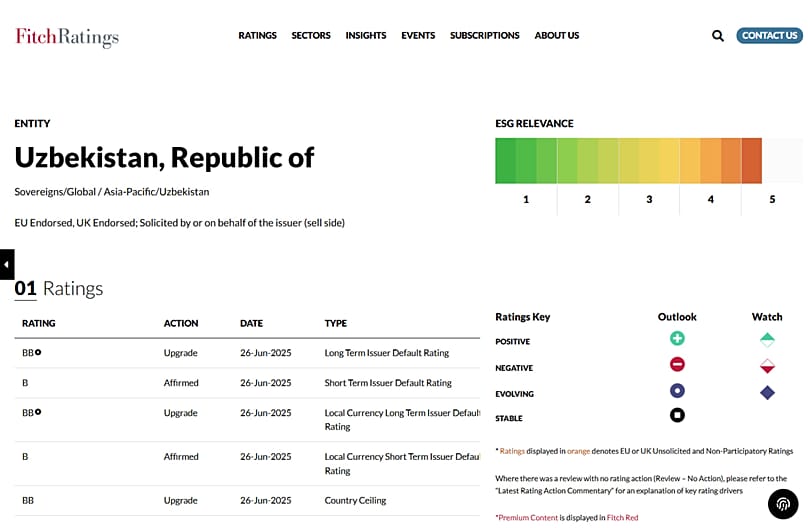
Credit rating agencies Fitch Ratings and S&P Global upgraded Uzbekistan’s sovereign credit rating from “BB-” to “BB”, while Moody’s revised its outlook from “stable” to “positive”, citing improved macroeconomic stability and reform progress.
Uzbekistan has also made gains in data transparency and openness. In the Open Data Inventory Index compiled by Open Data Watch, the country moved from 168th place in 2016 to 11th place by 2024, following the adoption of international statistical standards and expanded access to public data.
Governance indicators have shown gradual improvement as well. Uzbekistan advanced in the World Governance Indicators for government effectiveness, moving from 160th place in 2016 to 120th, while its position in the Rule of Law indicator improved from 182nd to 153rd. In the Transparency International Corruption Perceptions Index, the country rose from 156th to 121st place over the same period.
The OECD Country Risk Classification upgraded Uzbekistan from category 6 to category 5, reflecting reduced investment risk and improved economic resilience.
Economic expansion has also been accompanied by stronger business activity and mobility. The number of registered entrepreneurs increased from 213,000 in 2016 to around 1.2 million in 2025, while the number of automobiles rose from approximately two million to about five million. Passenger air traffic expanded from 2.1 million to around 7.5 million, and international tourist arrivals increased from two million to nearly 9.7 million.
Uzbekistan’s growing international integration is also reflected in travel openness. The number of countries offering visa-free or visa-on-arrival access for Uzbek citizens increased from 54 to 73, according to the Global Passport Index.
Together, these indicators point to a broader transformation of Uzbekistan’s economy, underpinned by reforms aimed at openness, market liberalisation, digitalisation and improved governance.
Industrial projects, exports, and future goals
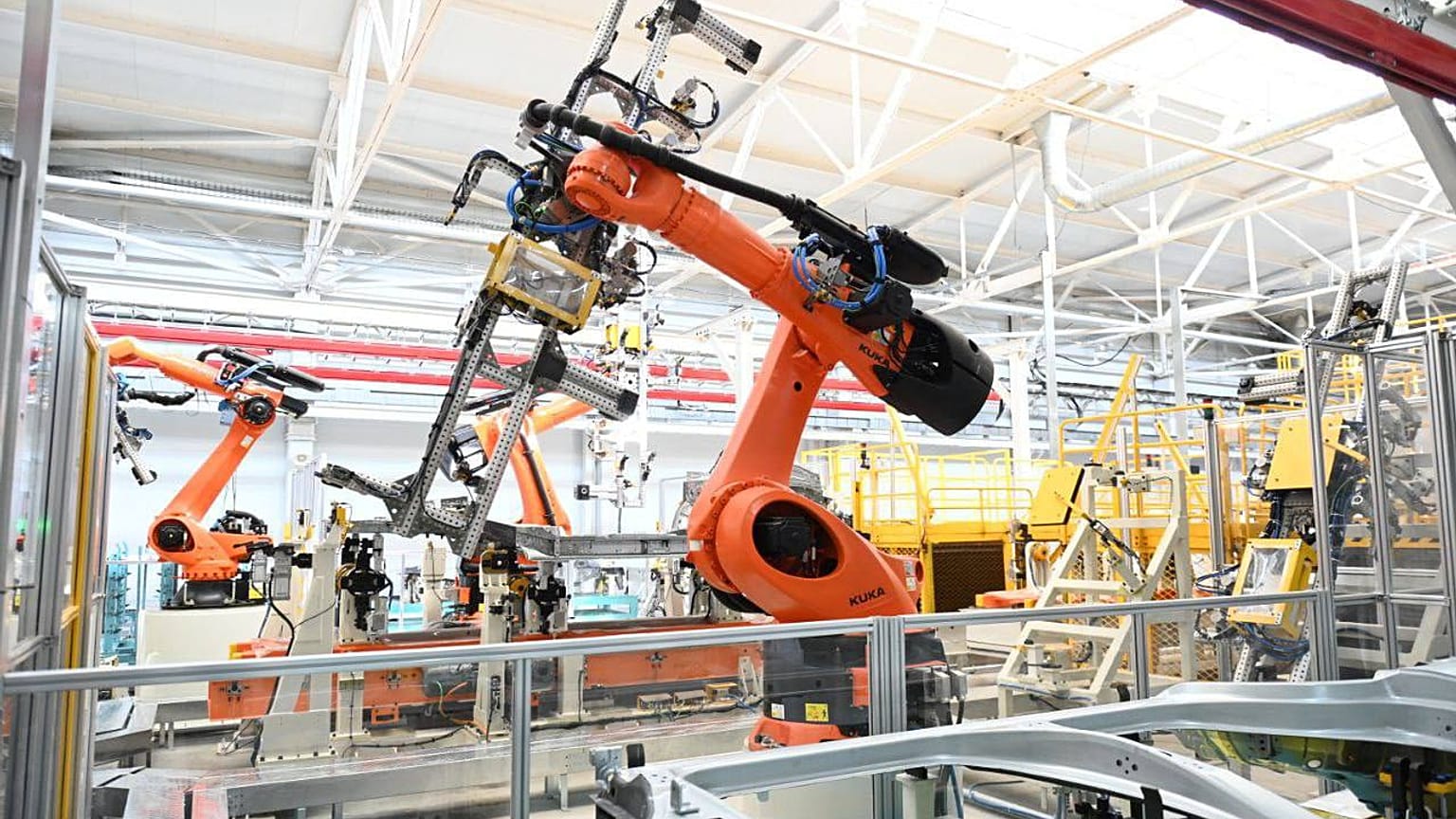
From 2026, Uzbekistan plans to launch 228 new industrial projects worth €13bn, the President said in his address. These include expansions in mining, metallurgy, chemicals, energy, automotive production, textiles, and pharmaceuticals.
Major projects involve new copper processing facilities, fertiliser plants, and expanded gold mining capacity. The government aims to increase exports to €37bn in 2026, with a higher share of finished and semi-finished products.
Uzbekistan aims to increase GDP to €220–230bn by 2030. Earlier targets set GDP at €147bn by that date, but officials now expect to reach that level earlier, based on current growth trends.
Speaking on the country’s economic outlook, President Shavkat Mirziyoyev said earlier targets are being revised due to faster-than-expected growth.
“When we adopted the ‘Uzbekistan–2030’ strategy two years ago, we planned to increase GDP to €147bn by 2030,” the President said. “Based on our current reforms, business activity and expanding cooperation with foreign partners, we can reach this level as early as 2026. Over the next five years, we have the capacity to increase the economy to more than €230bn.”
Over the next five years, the country plans to attract €166bn in foreign investment and create one million higher-income jobs. A national programme to improve productivity and energy efficiency in industry is also planned, with support from international financial institutions.