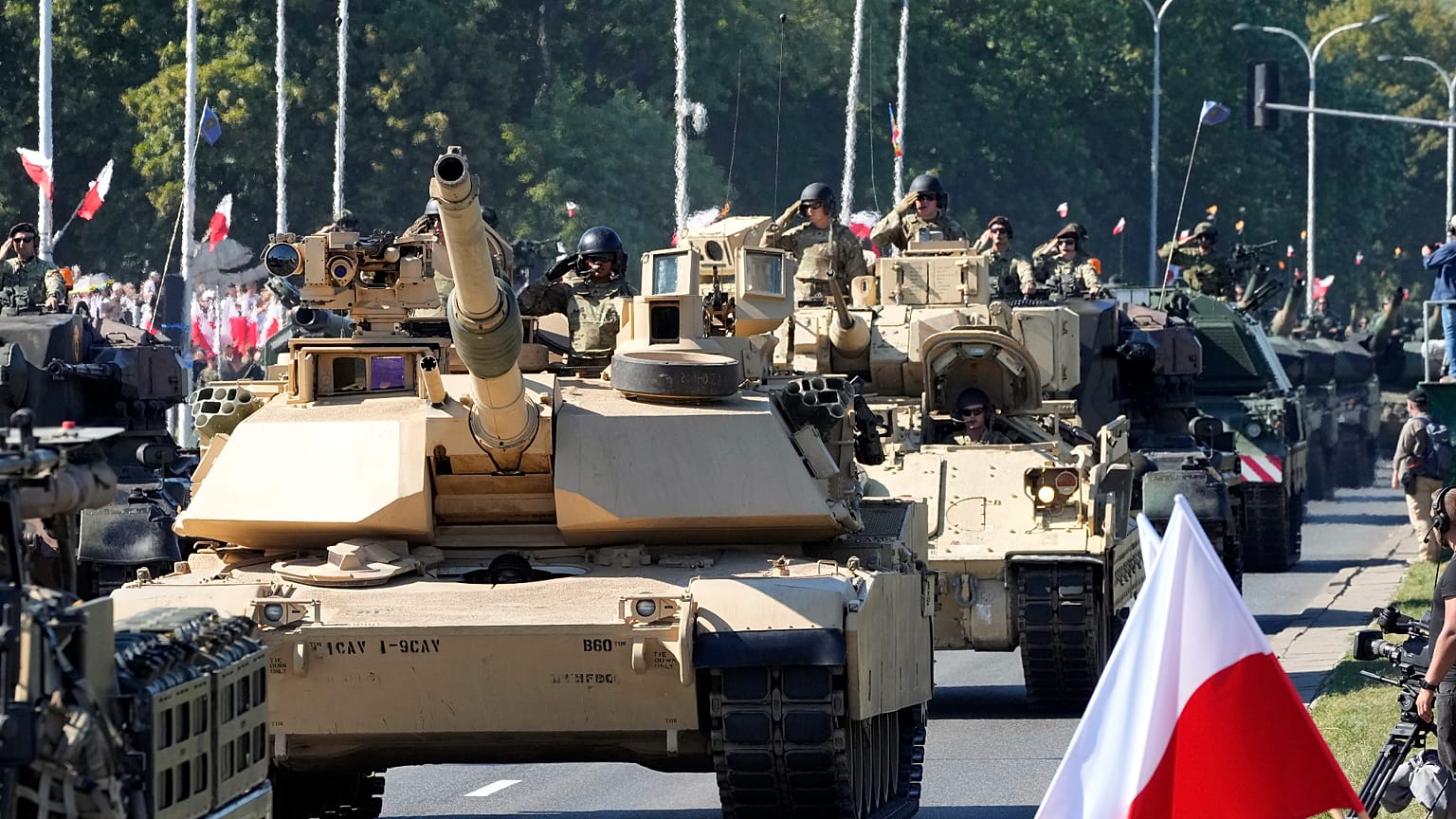













Europe is ramping up defence spending, led by Germany, with economists expecting a modest boost to growth. While rising orders support activity, long production lags and structural headwinds may limit the economic pay-off.
European governments are preparing for a sustained increase in defence spending, raising a key economic question. Can rearmament also support growth at a time when the eurozone economy is struggling to gain momentum?
 ADVERTISEMENT
ADVERTISEMENT
ADVERTISEMENT
Germany is at the centre of this shift. Berlin plans to lift defence spending to almost 3.5% of GDP by 2029, up from 2.1% in 2024, marking one of the most significant military investment programmes in post-war Europe. By 2029, the government aims to spend more than €100bn annually on defence equipment and maintenance.
According to Niklas Garnadt, economist at Goldman Sachs, the impact on growth could be meaningful.
“We expect defence spending to boost the 2029 level of German GDP by around 0.8%, and defence orders picked up materially in the fourth quarter after the 2025 budget was passed in September,” he said.
Once approved by parliament, large defence contracts are awarded to manufacturers and recorded in official factory orders data. Domestic German orders linked to defence industries rose by more than 50% in late 2025 compared with levels already elevated after Russia’s invasion of Ukraine.
In national accounting terms, defence expenditure supports GDP through multiple channels.
On the production side, value added increases in defence manufacturing and its supply chains.
On the expenditure side, the acquisition of weapons systems boosts government investment once ownership is transferred, while purchases of ammunition and unfinished equipment appear as changes in inventories.
"We expect defence spending to drive a stronger pickup in government equipment investment going forward," said Garnadt.
Eurozone economic outlook: Better cyclical growth
The Goldman Sachs economics team sees 2026 as a year of modest recovery for the eurozone.
The bank forecasts 1.3% GDP growth for the bloc, slightly ahead of European Central Bank projections, driven by a mix of fiscal support, resilient consumer spending, and easing trade frictions.
Germany’s fiscal push — largely defence-driven — is expected to offset contractionary forces elsewhere, helping stabilise the eurozone’s overall policy stance.
Falling energy prices and wage gains outpacing inflation should bolster household demand. A potential ceasefire in Ukraine could provide an additional boost via improved energy cost dynamics.
However, economists caution that defence production has unusually long delivery cycles. With order books covering four to five years of output, the impact on actual production and GDP is gradual rather than immediate.
In addition, experts stress that higher defence spending alone will not resolve Europe’s deeper structural challenges. Rising competition from China, high energy costs, underinvestment in high-tech sectors, regulatory burdens, and ageing populations continue to weigh on the region’s long-term growth potential.
"We expect China’s renewed export push to weigh on European trade via rising imports and higher export competition, particularly in Germany and Italy," said Goldman Sachs.
Defence spending a lift, but not a cure
Military spending is emerging not just as a strategic imperative but also a macroeconomic lever for Europe.
While defence investment alone is unlikely to transform Europe’s long-term growth trajectory, it could play a meaningful supporting role.
For countries like Germany, where fiscal room is being channelled into rearmament, the stimulus effect may be significant, especially in a manufacturing-heavy economy struggling with industrial competitiveness.
Whether this shift will prove durable or sustainable remains to be seen, but for now, defence appears to be an unexpected engine in Europe’s uneven recovery.