













The deal reflects a shift in how investors view businesses like Castrol — less as consumer brands, and more as industrial infrastructure embedded in the global economy.
Stonepeak, a US investment firm that specialises in infrastructure and real-asset businesses, has agreed to buy a controlling stake in Castrol, one of the world’s biggest lubricants companies, in a deal valuing the business at about $10.1 billion (€8.49bn).
 ADVERTISEMENT
ADVERTISEMENT
ADVERTISEMENT
The pairing is a novel one. Castrol is a century-old industrial brand long associated with oil majors, mass-market motorists and the physical machinery of the global economy.
Meanwhile, firms like Stonepeak typically operate behind the scenes, buying stakes in toll roads, pipelines, ports and data centres rather than consumer-facing brands.
The deal brings together two worlds that rarely intersect publicly: a household name built on industrial heritage and a private investment firm better known for owning the non-front-facing infrastructure.
How the deal is structured
Under the agreement, Stonepeak will acquire a majority controlling interest in Castrol from BP, which has owned the brand for more than two decades.
BP will retain a 35% minority stake, while Canada Pension Plan Investment Board (CPP Investments) will invest up to $1.05bn (€891mn), giving it an indirect holding in the company.
Castrol is one of the largest lubricant producers in the world, supplying engine oils, industrial fluids and greases to customers in around 150 countries.
Its products are used across consumer automotive markets as well as heavy industry, manufacturing and energy systems.
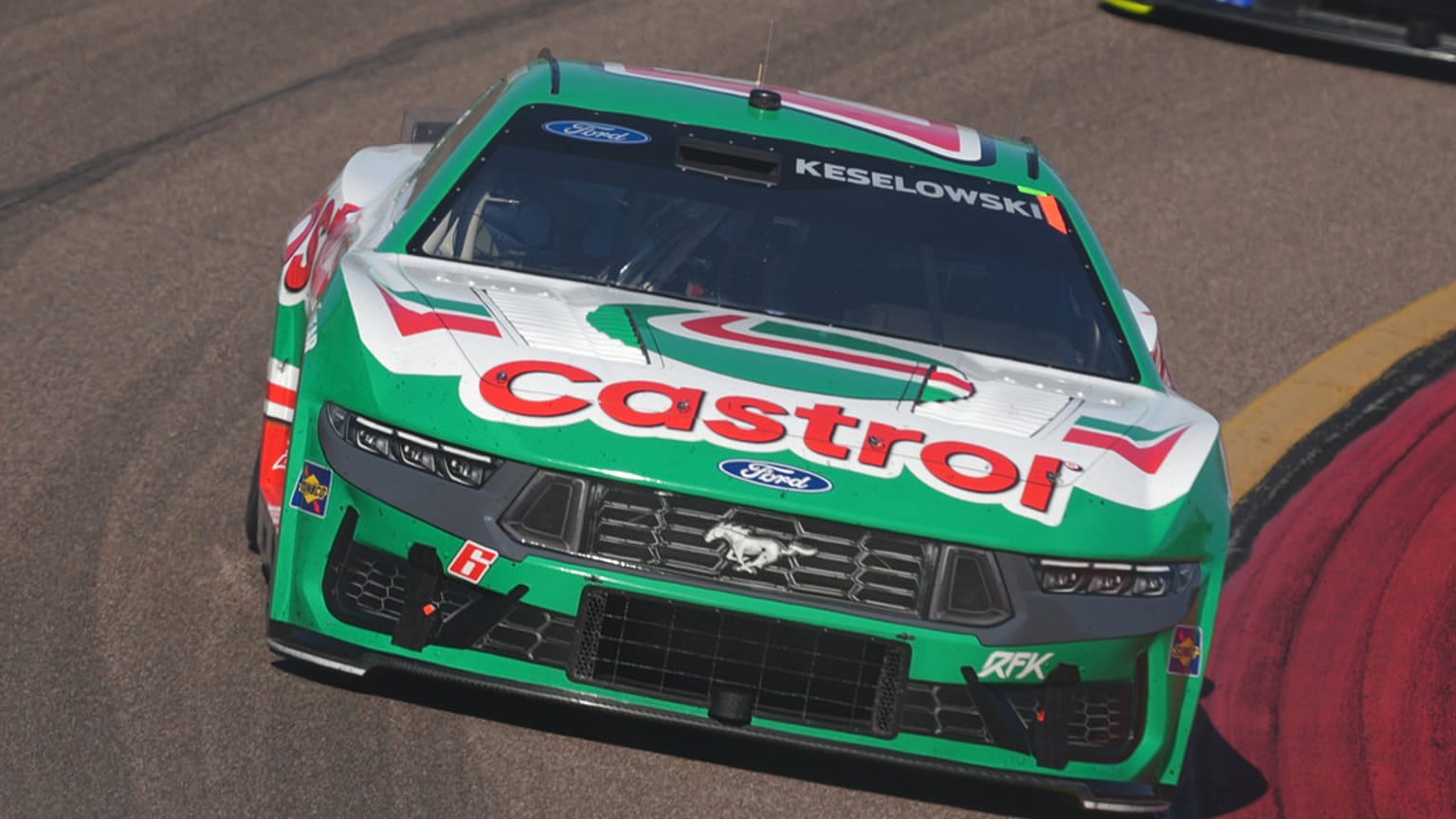
Though best known for motor oils, Castrol has also supplied lubricants for aviation, space missions and professional motorsport, and is increasingly positioning itself for growth in electric vehicles and data-intensive infrastructure.
Stonepeak manages about $80 billion (€67.9bn) in assets and focuses on long-term investments in what it describes as “defensive” infrastructure and real-asset businesses, including energy, transport, logistics and digital infrastructure.
The Castrol acquisition marks one of its largest energy-related investments to date.
“Lubricants are a mission-critical product, which are essential to the safe and efficient functioning of virtually every vehicle, machine, and industrial process in the world,” said Anthony Borreca, senior managing director and co-head of energy at Stonepeak.
The deal also underlines how private capital is moving deeper into parts of the economy that most consumers never think about, but rely on every day.
Iconic brand with heritage
Infrastructure funds and pension-backed investors are increasingly interested in industrial businesses that sit quietly behind transport networks, manufacturing lines and energy systems — often with less public scrutiny than more politically sensitive sectors.
“Castrol’s 126-year heritage has created a leading market position, an iconic brand, and a portfolio of differentiated products that deliver meaningful value to its customers," Borreca continued.
For BP, the deal allows it to raise cash while keeping exposure to a business that remains profitable and strategically relevant, even as the oil major reshapes its portfolio.
“We are thrilled to have Stonepeak join us as a partner in Castrol. Stonepeak’s capital support, energy sector expertise, and experience working with similar companies that provide essential services will be immensely additive in helping the business to innovate and grow,” said Michelle Jou, global chief executive of Castrol.
“This transaction reflects our commitment to investing in the future and creating new opportunities for growth and success at Castrol, and we are proud that Stonepeak shares in our vision for the business as we take the next step in our journey.”
CPP Investments said Castrol was well placed to benefit from changes in the global energy system.
“Castrol is a high-quality, global business at the heart of the energy and industrial economy,” said Bill Rogers, managing director and head of sustainable energies at CPP Investments.
“Its cutting-edge innovations and premium brand position it well for a growing role in emerging applications, from electric vehicles to data centres.”
The transaction is expected to close by the end of 2026, subject to regulatory approvals. Completion would also trigger a mandatory tender offer for public shareholders in Castrol India.