




























The ongoing negotiations could bring a watershed moment for the Italian publishing landscape. The sale of La Repubblica, a symbol of secular and critical journalism, could mark the end of a key editorial era.
The Gedi group, which publishes iconic Italian newspapers such as La Repubblica and La Stampa as well as national radio and digital assets, is currently at the centre of one of the most controversial operations in the Italian media landscape.
 ADVERTISEMENT
ADVERTISEMENT
ADVERTISEMENT
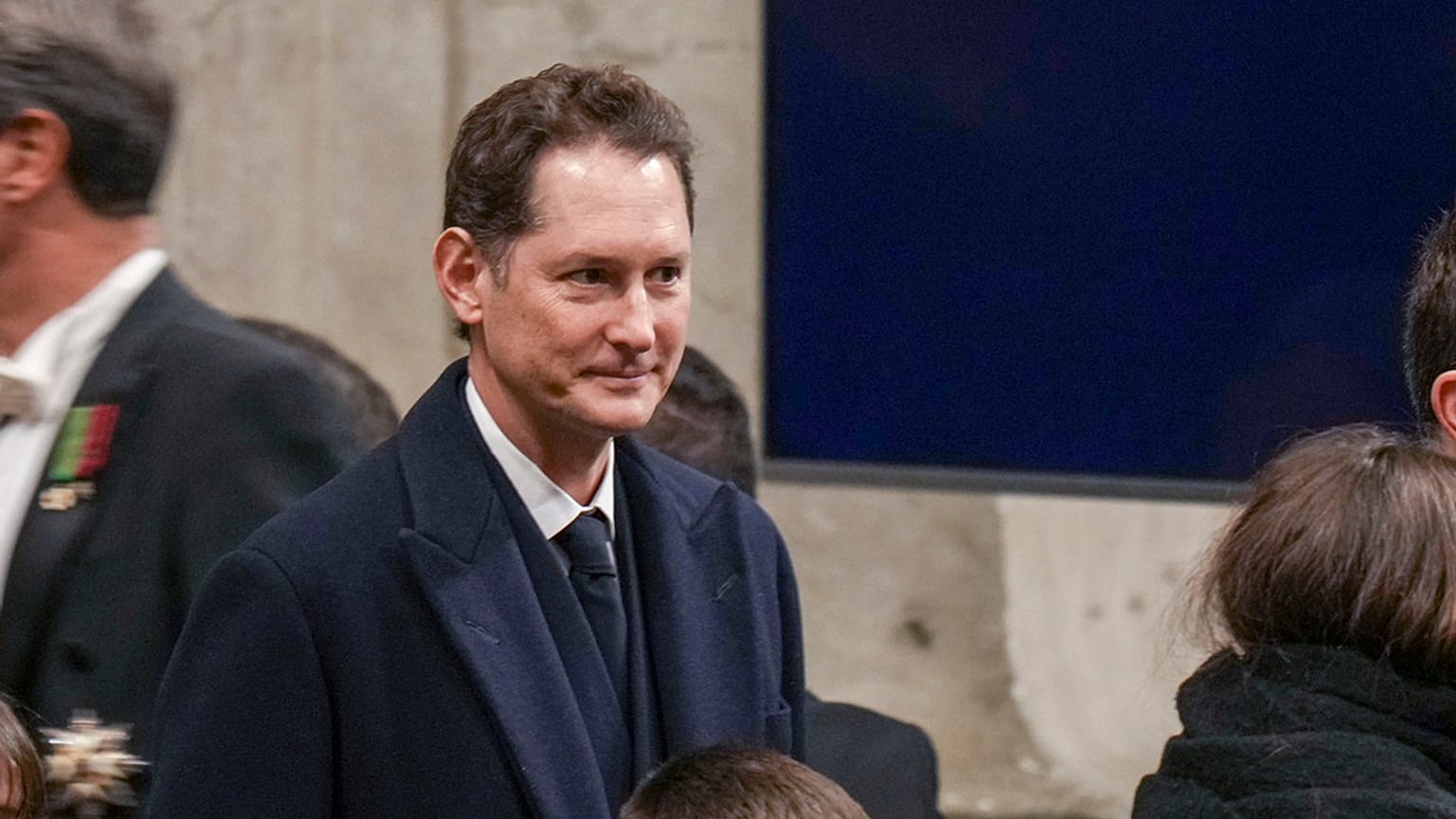
After weeks of rumours, Exor, the holding company of the Agnelli-Elkann family that controls the group, has confirmed that it is in exclusive negotiations with the Greek group Antenna, led by Theodore Kyriakou, for the sale of most of Gedi's assets.
The official confirmation of the negotiations triggered an immediate reaction in the newsrooms. Journalists at La Stampa called a permanent assembly and a strike, which resulted in the newspaper not being published and the website not being updated for an entire day on Thursday. It was a visible and severe form of protest against what they describe as a “lack of transparency” on the part of the company.
A similar mobilisation was announced by colleagues at La Repubblica, who said they would suspend their participation in non-essential editorial initiatives until clear guarantees are provided regarding the industrial plan, employment, and editorial independence.
The editorial boards strongly criticised the sale, calling it a “horrible spectacle” and noting that no assurances have been given about the future of the newspapers, the financial solidity of the buyer, or the protection of journalistic professionalism.
Which assets are being sold — and who are the buyers?
Exor plans to sell Gedi's assets in separate parts, with the main titles sold individually.
La Repubblica is at the centre of the talks with the Greek Antenna Group, which aims to acquire not only that newspaper but also its entire connected editorial ecosystem. That includes the website, digital platforms, video newsrooms, and vertical hubs such as Gusto and Italian Tech.
Also included in the main package to Antenna are the group’s three radio stations: Radio Deejay, Radio Capital, and m2o.
The fate of La Stampa is more complex. The Greek group is reportedly not interested in the Turin-based newspaper, which could therefore be sold separately. Leading the race is NEM–NordEst Multimedia, which is evaluating an acquisition together with partners from northwestern Italy, although no formal negotiation exists yet and other industrial options remain open. If a sale to an Italian buyer does not materialise in the coming months, La Stampa could still be included — at least temporarily — in Antenna’s acquisition.
As for the other assets, HuffPost Italia would follow the fate of Repubblica, and thus be included in the sale to the Greeks.
What is Antenna's strategy?
At the centre of the negotiations is Theodore Kyriakou, a Greek media and shipping magnate, son of Minos Kyriakou, who founded Antenna Group in 1989.
The company is a media giant active in television, digital, radio, streaming, and content across numerous European countries and worldwide. It owns dozens of channels and platforms and has a significant presence in the Balkans, the United States, and Australia, with a total audience estimated in the hundreds of millions.
According to reports, Antenna Group’s offer is between €120mn and €140mn euros, similar — though with a different perimeter — to the bid presented by Leonardo Maria Del Vecchio, heir to the Luxottica empire, who aimed to acquire the entire group. Exor, however, reportedly preferred negotiating with the Greek investors, considered more aligned with an editorial and broadcasting–oriented management approach.
Political, institutional, and social reactions
The potential sale has sparked reactions far beyond the newsrooms, involving politics, institutions, unions, and the business world.
The Democratic Party, the Greens and Left Alliance, and the Five Star Movement have requested an urgent briefing in Parliament, even suggesting the possible activation of golden power measures to protect the strategic media sector.
On the institutional side, Senate President Ignazio La Russa has expressed his willingness to act as an intermediary to provide answers and reassurance to the journalists. Meanwhile, the trade unions — especially CGIL of Piedmont and Turin — have openly described the Elkann family's move as an “industrial retreat” from Turin.
Reactions from Greece and abroad
Major Greek outlets such as Deal News have described the potential deal as a “big coup” for Antenna Group, highlighting that the negotiation with Gedi represents a significant step in the Kyriakou group’s international expansion in the European media sector. Headlines emphasise that the acquisition of a major Italian publishing group would be a potential strategic milestone for Antenna and a significant push beyond its national borders.
The expansion into Italy is viewed as a natural evolution for a group already active in the Balkans, Eastern Europe, and the United States.
A piece of history in the balance
Beyond the negotiations and figures, the ongoing process represents a watershed moment for the Italian publishing landscape. The sale of La Repubblica, founded by Eugenio Scalfari and a symbol of secular and critical journalism, could mark the end of a key editorial era.
La Stampa, whose roots go back to 1867 and which has accompanied Italy’s industrial and cultural history from the postwar period to today, could also change ownership after decades of ties to the Agnelli family.
At a time when traditional media are facing economic pressure and digital transformation, the sale of Gedi is not just a financial transaction. It is a structural transformation of the Italian information system, with potential implications for pluralism, cultural identity, and the role of the press in public debate.