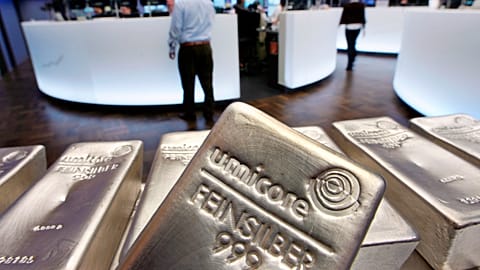




























Silver prices have roughly doubled this year, climbing over $60 an ounce, pushed up by a supply deficit, tariff uncertainty, and expectations of Federal Reserve interest rate cuts.
Silver prices continued to rise on Wednesday, hovering at around $62 per ounce after trading at roughly $50 in late November. That represents a significant jump from the metal's average price of around $30 at the beginning of the year.
 ADVERTISEMENT
ADVERTISEMENT
ADVERTISEMENT
The price jump follows news that the US administration is interviewing final candidates to replace current Federal Reserve chair Jerome Powell. Investors are also expecting the Fed to cut its benchmark rate after its meeting later on Wednesday.
The top three candidates for the chair job, and in particular the reported frontrunner Kevin Hassett, the director of Donald Trump's National Economic Council, are expected to implement more aggressive rate cuts — while Powell has overseen a slower pace of easing.
Since January, the Fed under Powell has cut rates in two quarter-point increments, once in September and once in October.
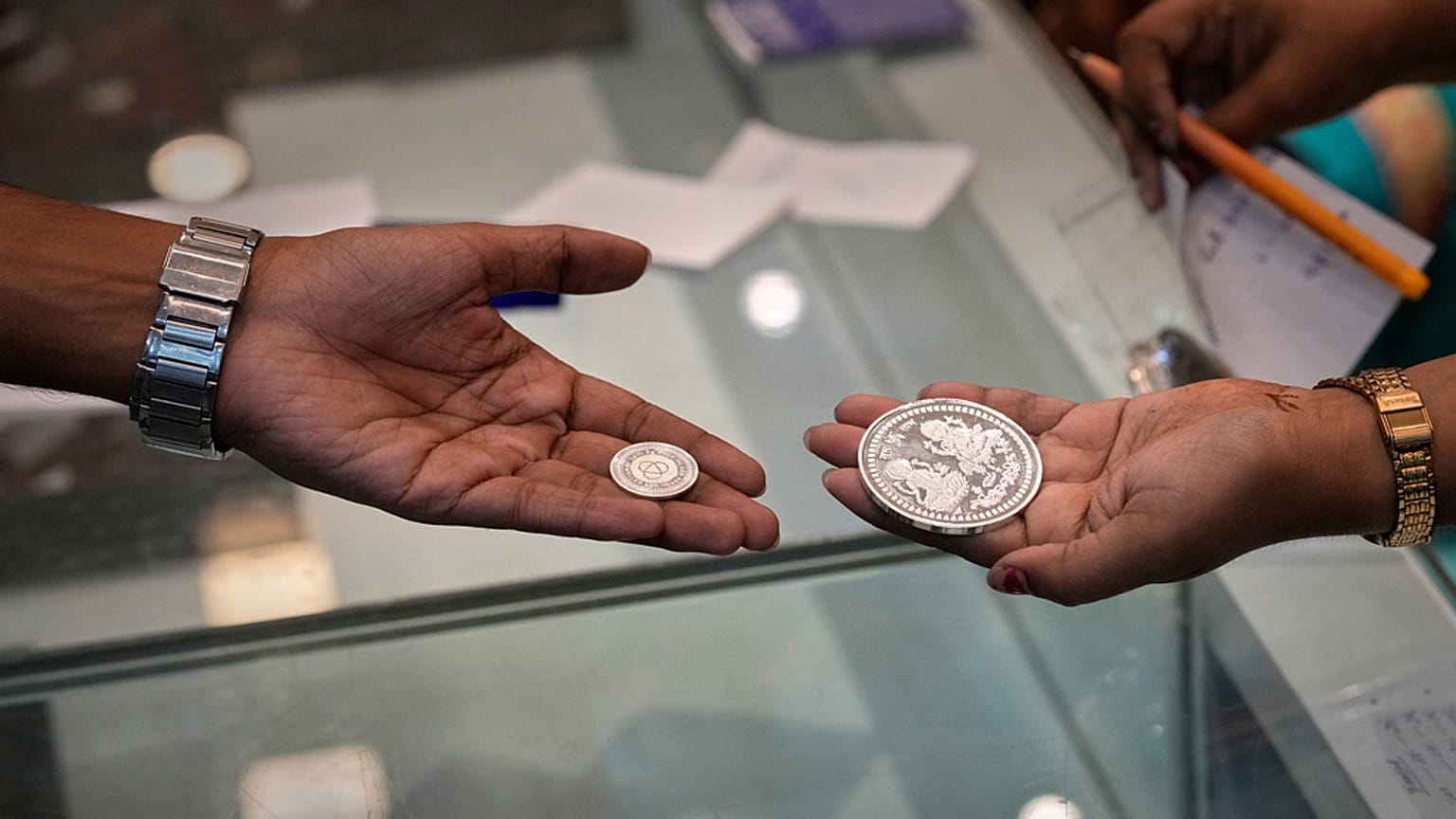
This steady easing has pushed down returns on interest-bearing assets, increasing the attractiveness of silver as an investor alternative.
Silver, like gold, pays no interest or dividends, so it tends to fall out of favour when US interest rates are high and investors can earn more attractive returns on cash and bonds.
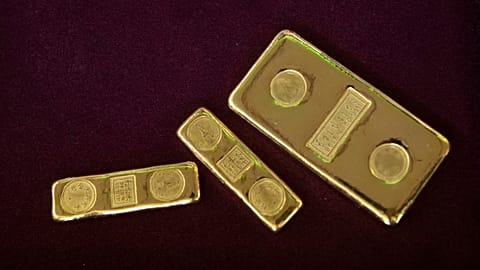
The metal's value has roughly doubled this year, even surpassing gold's 60% increase — which brought bullion to record highs.
At the same time, traders are also seeking clarity on whether the US will impose tariffs on silver.
In early November, the US government added the metal to its 2025 Critical Minerals List, a designation normally reserved for materials seen as strategically important to the economy and national security.
That new status also puts silver within the scope of possible Section 232 investigations, the same legal tool previously used to justify tariffs on steel and aluminium.
Section 232 investigations allow the US government to apply tariffs, import quotas, or other limits on products believed to create an overreliance on sources outside the country, harming national security interests.
For now, no such probe has been launched and no tariffs have been announced. Even so, the prospect alone is enough to make traders nervous, since any future duties on imported silver could disrupt trade flows and push up costs for manufacturers. Such expectations have prompted an increase in silver stockpiling.
Increased demand from certain manufacturers is pushing prices up further. Silver is a key material in the production of electric vehicles and solar panels, and industrial demand accounts for more than half of total silver consumption.