




























From resource efficiency to education, these six sustainable steps could make Europe more competitive in the long term.
Geopolitical instability, technological disruption and climate change are casting a shadow over Europe’s future.
 ADVERTISEMENT
ADVERTISEMENT
ADVERTISEMENT
Could investing in sustainability make the continent more resilient?
A new report by the European Environment Agency (EEA) reveals how Europe could strengthen its long-term competitiveness by nurturing both the economy and nature.
Rather than promoting short-term productivity and economic growth based on resource depletion and environmental degradation, the EEA urges a more holistic approach that treats nature restoration and social capital as integral to long-term stability.
The report, titled ‘Competitive by nature: Europe’s long-term competitiveness through the lens of sustainability’, released on 13 October, identifies six ‘no-regret’ options that could boost the economy while sustaining life on Earth.
6. Investing in climate adaptation and resilience
Europe is warming faster than any other continent, with flooding, heatwaves, droughts and wildfires growing increasingly extreme as a result of climate change.
Adapting to this new reality and mitigating its effects is no longer just an environmental necessity but an economic one too, the EEA argues.
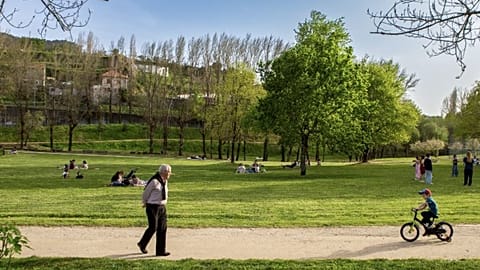
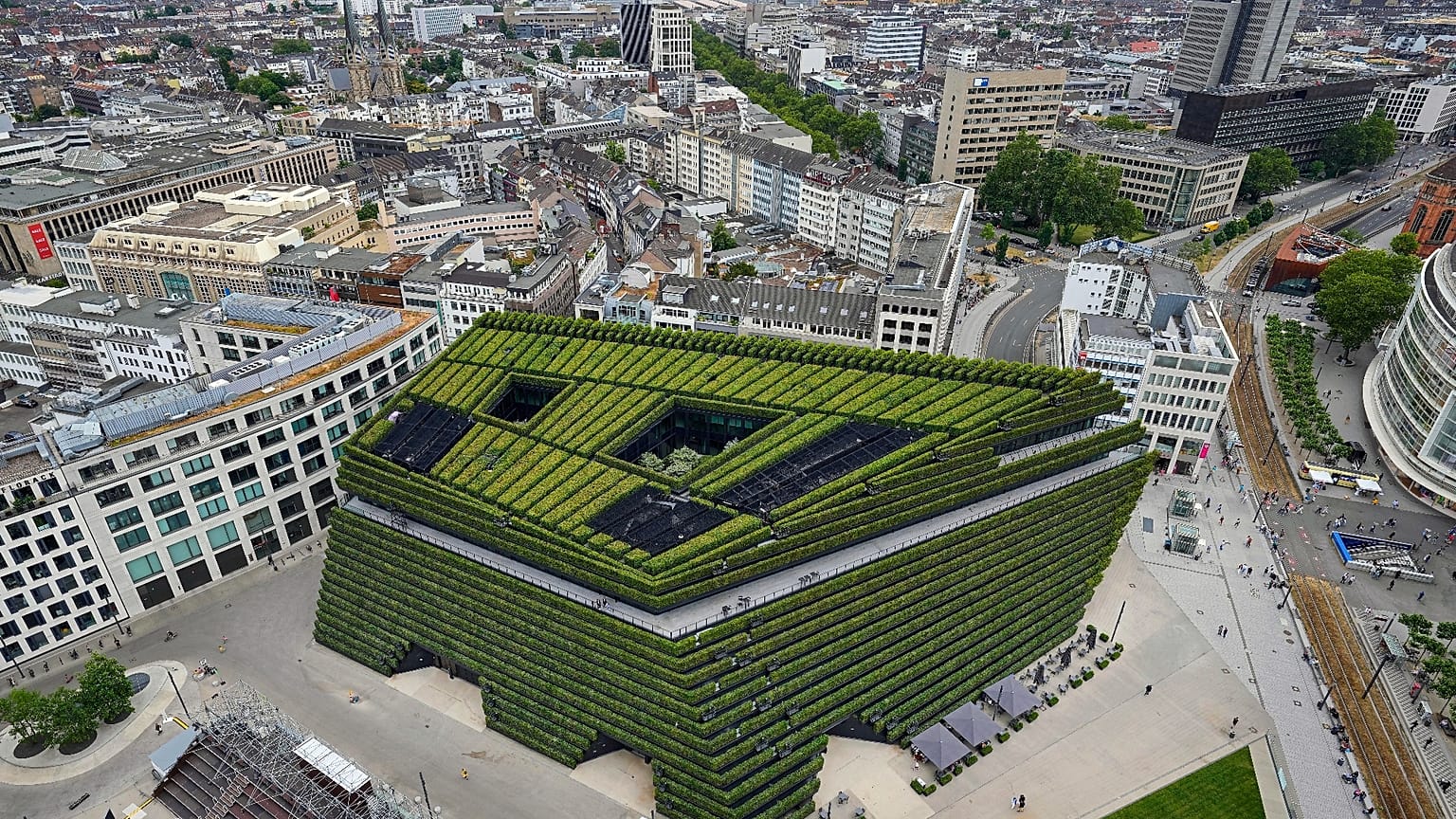
This includes investing in nature-based solutions, like restoring wetlands and floodplains or adding green space to cities, which can help soak up floodwater and cool urban areas.
5. Using resources more efficiently
Europe imports a huge share of its raw materials and energy, and recent supply shocks have shown how risky that is.
Disruptions to shipping through the Strait of Hormuz, triggered by the war on Iran, have put immense pressure on fuel supplies, prompting an accelerated shift to homegrown renewable energy.
But the technology behind wind turbines, solar panels and batteries relies on critical minerals, and the grids to carry all that clean power still have to be built.
Circularity – repairing, reusing and recycling products – “can reduce demand for primary materials and energy, preserve the value embodied in products and infrastructure, and limit exposure to volatile commodity and energy markets,” the EEA says.
Sometimes there are trade-offs, however: for example, while keeping old buildings and infrastructure in use is good for circularity, it can lock in assets that are inefficient or vulnerable to climate impacts.
4. Leveraging next-gen tech
AI can be leveraged to help Europe use its resources more wisely, the EEA says. Digital tools can track materials through supply chains, manage variable renewable energy on the power grid, and monitor environmental damage in real time.
Building these capabilities at home also reduces Europe’s reliance on technology developed elsewhere.
The EU is already utilising these tools to strengthen accountability: its Digital Product Passport launched in July and will first be a requirement for batteries from February 2027. Consumers will be able to access information, for example through a QR code, on the origin of a product’s materials, its environmental performance, and how it can be repaired or recycled.
But the energy- and water-hungry data centres needed to fuel AI are a growing concern in their own right.
The EEA also encourages the development of next-gen biotechnology – making materials and fuels from plants and other biological sources, rather than oil and gas. While this can cut fossil fuel use, it also comes with its own footprint: growing biomass takes land and water and can put nature under strain.
3. Investing in skills and education
Spreading and developing these new technologies is key to developing a low-carbon economy that sacrifices neither wages nor the environment. While a recent EEA analysis found that clean energy is creating jobs across the EU, it faces major bottlenecks in workforce availability and training.
That’s why the agency’s latest report urges investment in skills, education and lifelong learning that will create a resilient workforce capable of adapting to a rapidly changing world.
Ensuring these skills are spread across different demographics would foster social cohesion and fairness.
2. Building public trust
In several EU countries, climate policy has become politically divisive, with fierce debate over costs, farming rules and red tape.
Ensuring the green transition leaves no one behind would also help to build public trust in and support for it. Without this, even well-designed policies risk being watered down, delayed or scrapped.
The EEA argues that clear, predictable regulation and effective institutions are integral to this. Companies are more likely to invest in clean technologies if they can rely on clear, stable rules, and the public is more likely to back the transition if it trusts those rules are applied fairly.
1. Leading on sustainable standard-setting
The EU’s single market has the power to shape global rules on everything from chemicals to carbon emissions. The EEA says it should keep playing an active role in setting environmental and social standards, including through international institutions.
Cooperating with other countries through democratic, international forums like the UN’s COP can help create common rules, diversify trade relationships and make supply chains more resilient.
But the system is under strain. Nearly 200 nations pledged to transition away from fossil fuels at COP28 in 2023, yet a new agreement on fossil fuels is considered unlikely at COP31 in Türkiye next month. Meanwhile, fossil fuel-reliant nations are pushing to delay the UN climate science panel’s next major report until after the global climate summit, with the IPCC meeting this week to try to resolve the deadlock.
At home, the EU is also under pressure to simplify its own green rules in the name of competitiveness. The EEA maintains that sustainability can reinforce competitiveness.