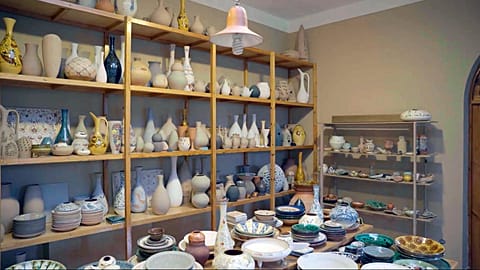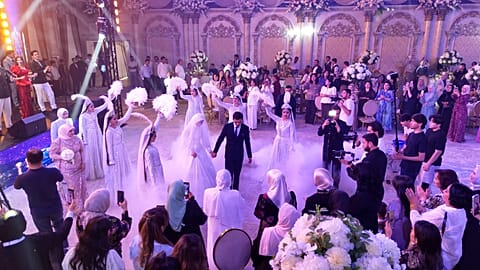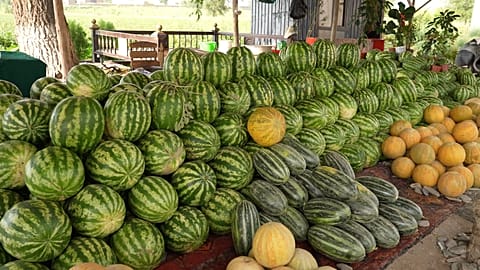

















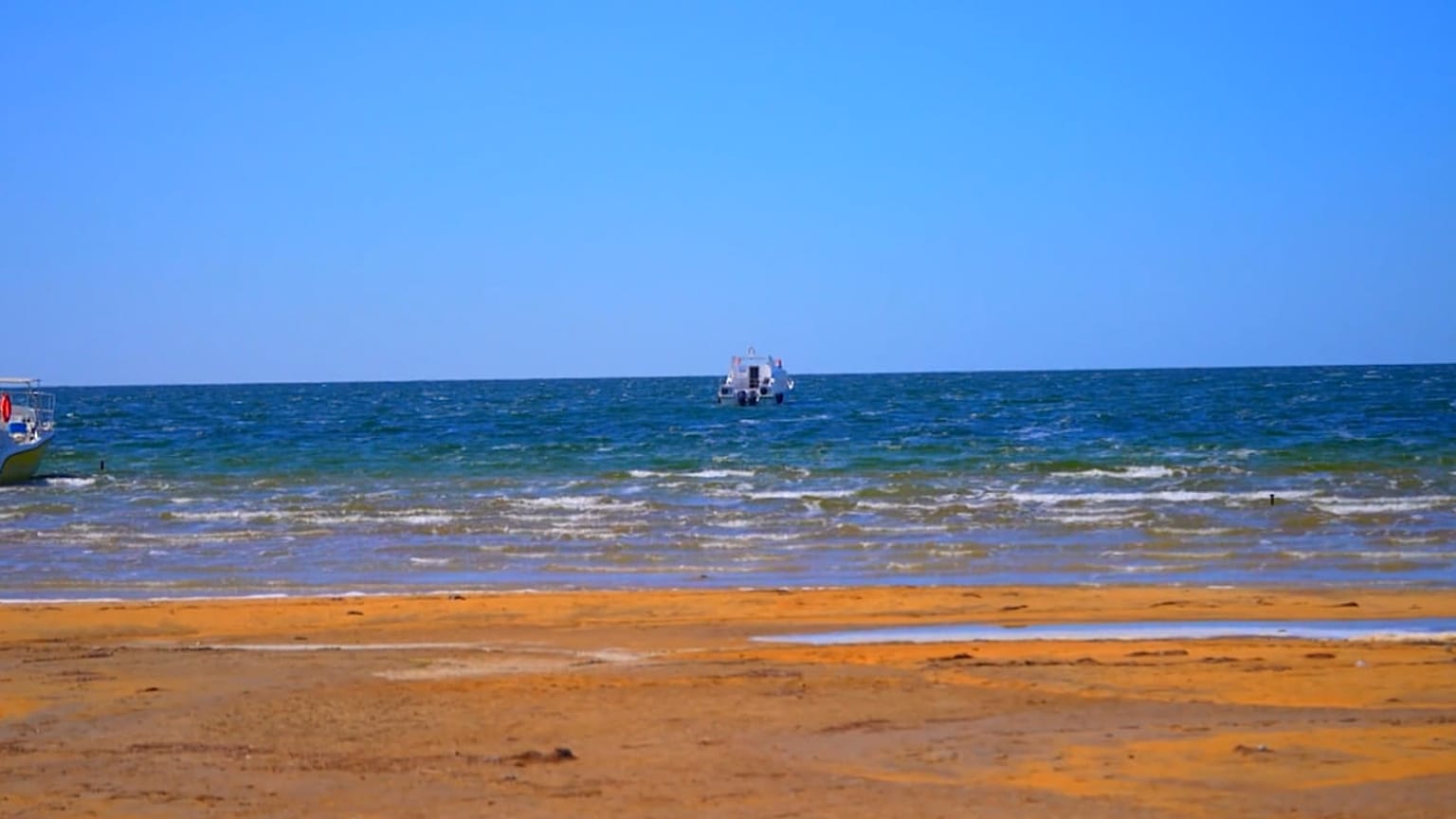














Lake Tuzkan brings fishing, tourism and recreation to the dry landscape of Jizzakh, as new transport links are expected to make the area easier to reach.
The landscape of Jizzakh region changes quickly. Dry earth and sandy stretches dominate much of the Mirzachul area, until a large body of water appears on the horizon.
 ADVERTISEMENT
ADVERTISEMENT
ADVERTISEMENT
Lake Tuzkan is part of the Aydar-Arnasay lake system, one of the largest inland water areas in Uzbekistan. Its setting, between the Hungry Steppe and the Kyzylkum Desert, gives the lake a distinctive place in the region.
For visitors, the contrast with the surrounding landscape is part of the attraction. For local communities, the lakes have a more practical role, providing livelihoods through fishing, tourism and other activities.
A lake in the middle of the steppe
Tuzkan is one of Uzbekistan’s largest lakes and has long been connected with life in the surrounding communities.
Local residents depend on fishing, while tourism has created another source of income. Visitors come for time by the water, fishing and recreation, while some also seek the mineral-rich waters of Tuzkan for what they describe as health and wellness benefits.
Tourist Ulugbek Musulmonov says the natural environment was one of the main reasons for his visit.
“Our main reason for coming here is the natural environment and the health benefits of Tuzkan lake,” he says, adding that some visitors come with the hope of improving particular health conditions.
The lake is also part of the wider Aydar-Arnasay system, where fishing remains an important economic activity for communities living nearby.
The surrounding area has gradually developed facilities for visitors, creating a tourism economy alongside traditional activities connected with the lakes.
Tourism takes hold by the water
On the shore of neighbouring Lake Aydarkul, Aydarkul resort has developed accommodation and recreation facilities for visitors.
The resort has 225 rooms and can accommodate up to 600 guests. Its facilities include conventional rooms, capsule-style accommodation, restaurants, a beach and shaded outdoor platforms known locally as tapchans, as well as boats and other water activities.
Operations manager Jamshid Qarshiboyev says the resort received large numbers of visitors during the summer season, including tourists from Uzbekistan, Russia and Kazakhstan.
Weekend events, including festivals and concerts, have become part of the resort's programme. Swimming, boating and time on the beach are among the main activities available to guests.
The resort also has a medical centre offering treatments such as massage and hydromassage. Guests staying at the resort can receive one complimentary treatment as part of their accommodation package.
The resort's location beside Aydarkul also gives visitors access to Tuzkan, where the waters are saltier and mineral-rich.
Fishing remains another attraction. It is restricted during certain periods of the year, but resumes after the closed season.
For some guests, a visit that begins as a day trip becomes an overnight stay.
A changing destination
The development of tourism around the lakes is also changing the way visitors reach the area.
A new airport has been developed at Arnasoy, near the lakes, while construction of a railway line from Do‘stlik towards the Aydar-Arnasay lake system began in 2026. The projects are intended to improve access for visitors from Uzbekistan and abroad.
The development could give the lake area a larger role in regional tourism, particularly for visitors already travelling through Uzbekistan's better-known historic destinations.
For Ahmad Jabir Abdullah Mohammed Al Harbi, a visitor from the United Arab Emirates, the new airport could help introduce the area to a wider international audience.
He describes the lakeside as a place for quiet and relaxation and says he would recommend it to people from his home country and elsewhere.
The area is still developing, however, and some planned facilities have yet to be completed.
Keeping visitors safe
As visitor numbers increase, safety has become another part of managing the recreation area.
The Aydar-Arnasoy recreation area has operated since November 2025, with safe tourism officers working around the clock.
Tourism police officer Meyirbek Amirxanov says the area can receive between 6,000 and 7,000 visitors on a Saturday or Sunday.
Surveillance cameras cover the recreation area and are connected to the Ministry of Internal Affairs’ Qalqon security-monitoring system.
The most common requests involve children who become separated from their families and visitors who lose personal belongings. Amirxanov says officers receive around five or six such requests on an average day and deal with them as they arise.
With more visitors expected as transport links improve, managing large crowds will remain an important part of the area's development.
A landscape shaped by water
The history of Tuzkan goes beyond its growing tourism industry.
The lake is a natural feature, but the wider landscape has also been affected by human activity. Irrigation and water-management projects during the 20th century changed the region's hydrology and contributed to the formation of the wider Aydar-Arnasay lake system.
Today, the result is an unusual landscape: large expanses of water surrounded by dry steppe and desert.
Along the shores, recreation areas have introduced another layer of activity. Families gather for weekends, visitors swim and fish, and resorts provide accommodation and organised entertainment.
For local communities, the lakes remain connected to everyday economic life. For visitors, they offer a different experience of Jizzakh, away from the region's more familiar image of open steppe.
The planned transport links are expected to bring more visitors to the lakes once completed.
The landscape itself remains the main attraction: water stretching towards the horizon, with the dry plains and desert beyond it.
Read more