















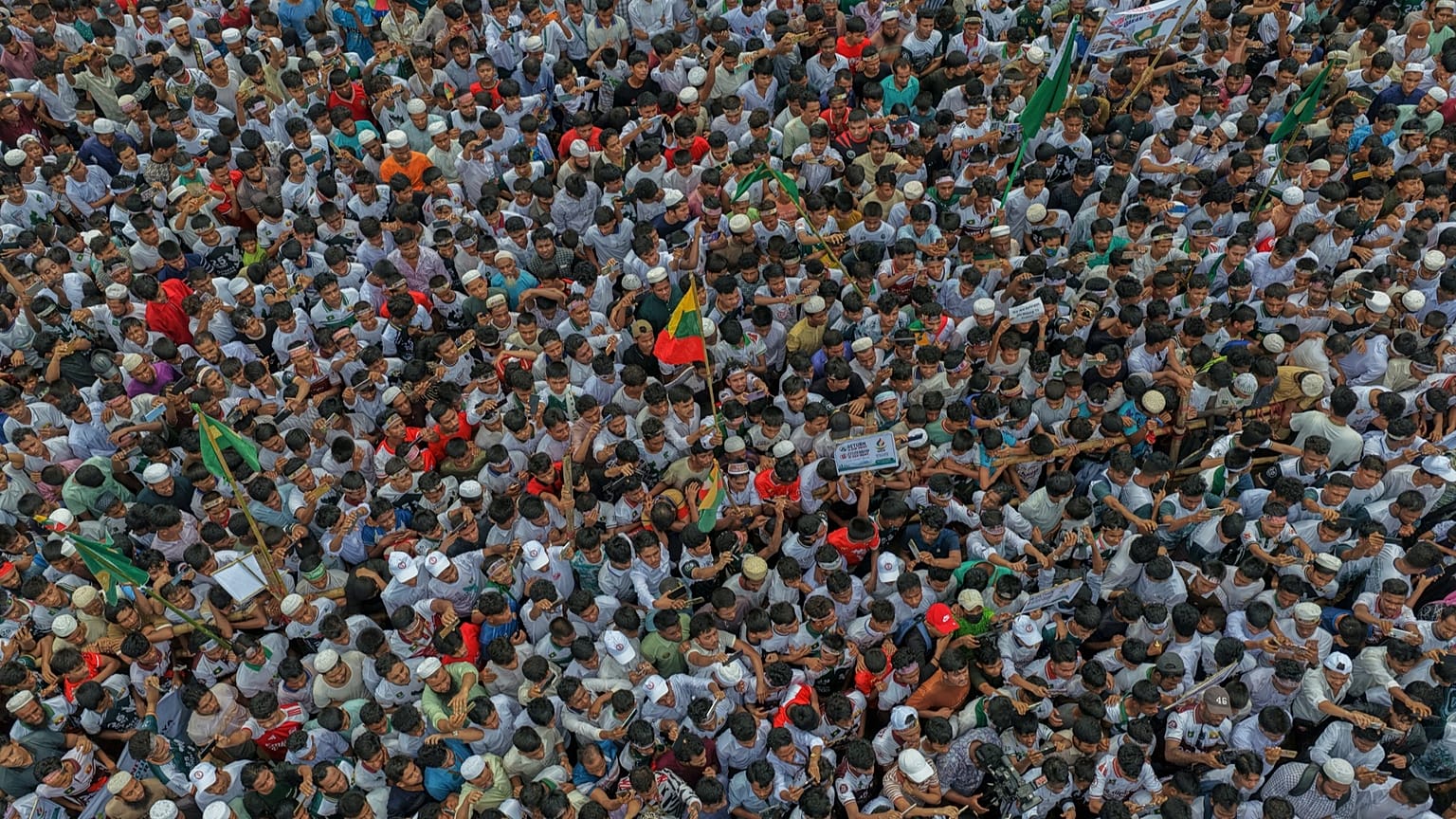













Malaysia hosts more than 215,000 refugees and asylum seekers registered with the UN refugee agency, including more than 126,000 Rohingya from Myanmar, its largest refugee community.
Malaysia has finalised the first phase of a voluntary repatriation programme involving eligible Myanmar nationals, with almost 1,500 individuals expected to return home on 29 September, the government said on Thursday.
 ADVERTISEMENT
ADVERTISEMENT
ADVERTISEMENT
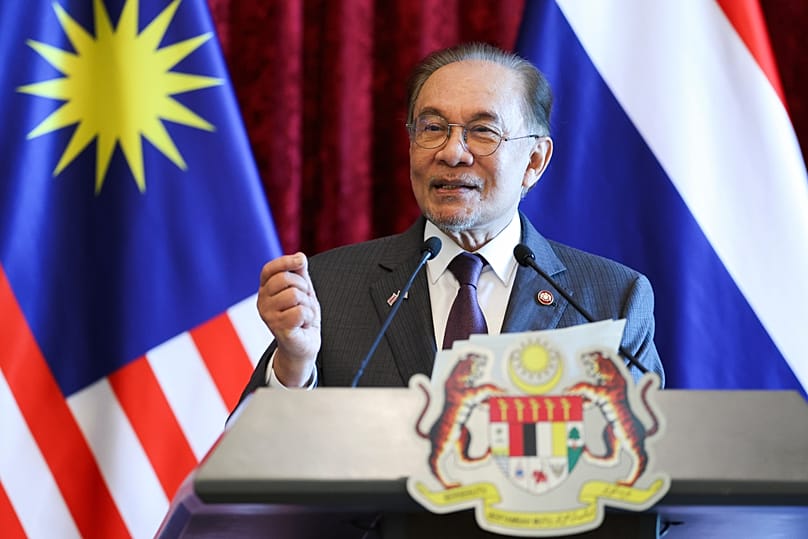
Prime Minister Anwar Ibrahim announced in July that Myanmar had agreed to take back 5,000 members of the persecuted Rohingya minority, in a rare repatriation push that has prompted concern from rights groups.
Malaysia hosts more than 215,000 refugees and asylum seekers registered with the UN refugee agency, including more than 126,000 Rohingya from Myanmar, its largest refugee community.
"The first phase of the voluntary repatriation programme will take place on 29 September involving 1,476 Myanmar nationals who have been identified by the Myanmar government through a diplomatic note," Malaysia's home ministry said in a statement.
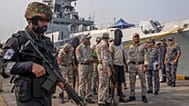
"The repatriation process will use two Myanmar naval warships and a hospital ship," it said.
The ministry said 4,008 individuals will go through a programme for registered refugees, while 5,000 others will undergo voluntary repatriation as agreed by the Myanmar government.
There were 10,388 Myanmar nationals held at immigration detention depots by mid-August, the ministry said, with not all considered refugees.
Malaysia's immigration department is working with the police to verify the identity, citizenship, immigration status, asylum claims and security background of the detainees by the end of the year.
"More than 95% of refugees in Malaysia are from Myanmar, including Rohingya, Chin, Karen and Mon communities," the ministry said.
Malaysia was also negotiating with Myanmar "to ensure the repatriation process is carried out in an orderly, dignified" manner, it said.
The repatriation plan was announced after Malaysian authorities detained more than 100 Rohingya who had gathered outside the UN refugee agency's office in Kuala Lumpur.
The refugees were being threatened with eviction from an informal settlement in northern Penang state.
They were later released after officials confirmed they held valid UN documentation.
Malaysia's main Rohingya rights group urged the government to halt the plan, saying the refugees' lives would be at risk if returned.
Malaysia, which shelters one of Southeast Asia's biggest refugee populations, is not a signatory to the 1951 Refugee Convention and does not formally recognise refugee status.
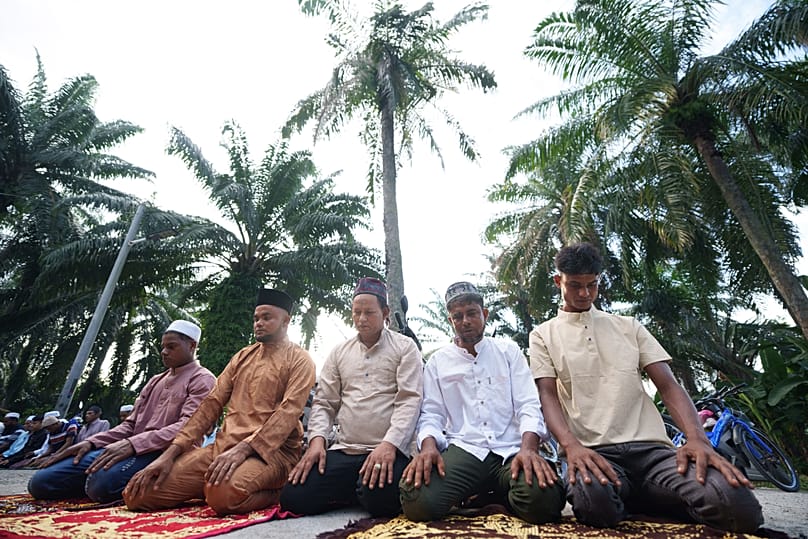
Fact-checkers for the AFP news agency have found that Rohingya refugees in Malaysia have been targeted by online disinformation campaigns that rights advocates say are fuelling xenophobia and intimidation.
Many of the Rohingya, a mostly Muslim group, escaped Myanmar during a brutal military crackdown in 2017.