
















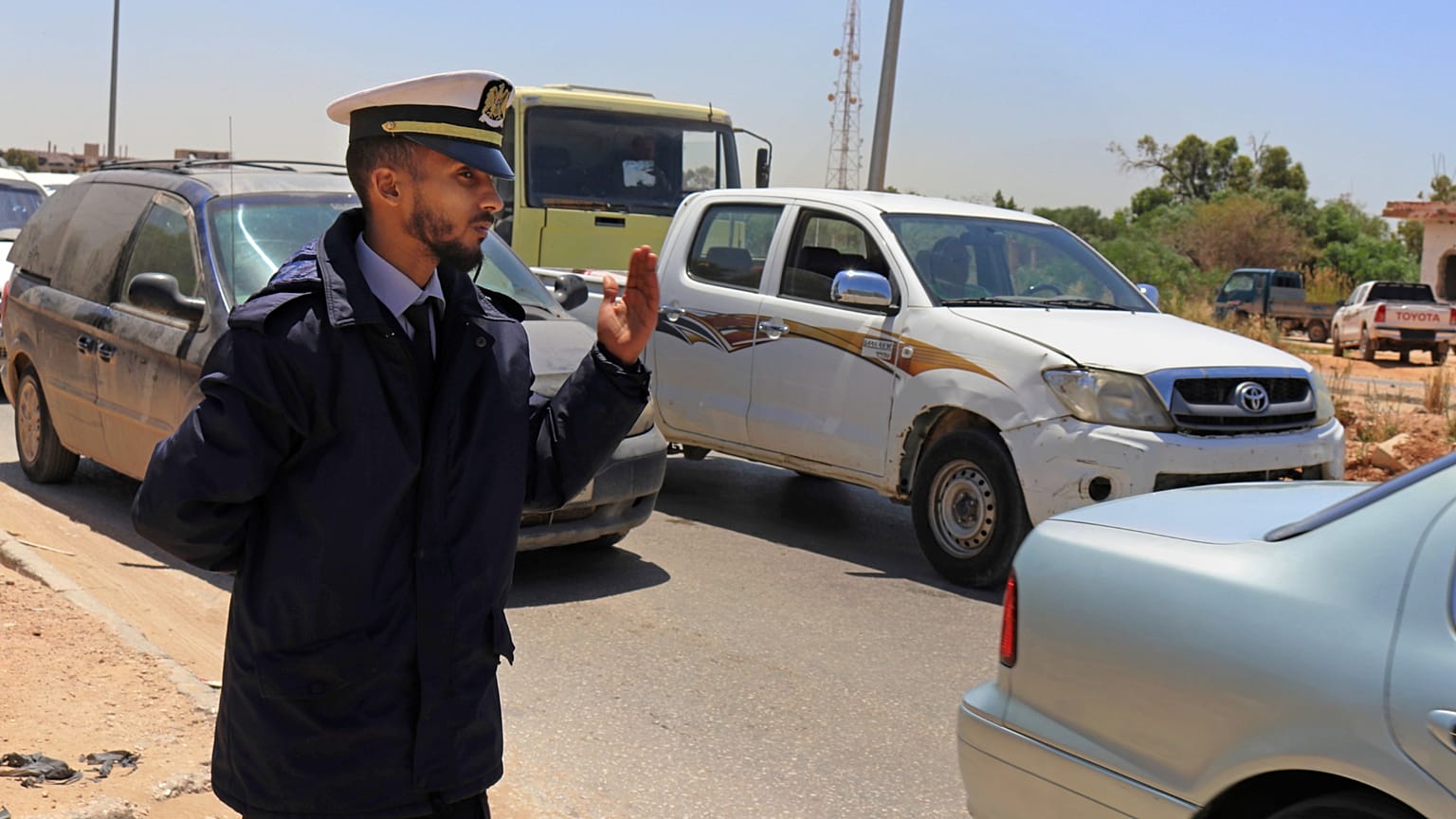













Fawzi al-Mansouri was assassinated outside a mosque in an LNA stronghold, in what analysts said was a major blow to the Haftar family's security credentials and could delay a US-brokered plan to reunify Libya's rival governments. No group has claimed responsibility.
The head of military intelligence for the Libyan National Army (LNA) led by Field Marshal Khalifa Haftar has been killed in a car bombing in Benghazi, authorities confirmed on Tuesday.
 ADVERTISEMENT
ADVERTISEMENT
ADVERTISEMENT
Fawzi al-Mansouri was assassinated on Monday when an explosive stuck to his car detonated as he was leaving a local mosque at night, the statement said.
Al-Mansouri was a senior figure within the LNA's intelligence apparatus and had close ties to the Haftar family.
He played a key role in the LNA's campaign against jihadist groups, including the so-called Islamic State group (IS), between 2014 and 2017 in eastern Libya.
Al-Mansouri, whom the LNA described as a "heroic martyr," was also a leading figure during Haftar's 2019 offensive to seize the capital Tripoli in an operation backed by Russia and Egypt.
Haftar's offensive was eventually beaten back by forces loyal to the Tripoli government, which was in turn supported by Turkey.
Khaled Haftar, the son of Khalifa and LNA's chief of the general staff, said in a statement that an investigation was opened, adding that "indicators point to a despicable terrorist tactic".
"Terrorism is a project targeting the entire region, not just Libya," the statement added.
The bombing was a setback to efforts by the Haftars to paint a picture of stability in the areas they control.
"An attack of this sophistication in an LNA stronghold is also a major blow to the group's security credentials," analyst with UK-based Verisk Maplecroft Hamish Kinnear said.
"The intelligence required to target such a high-profile figure successfully is indicative of significant capabilities on the part of the responsible actor," Kinnear added.
Authorities have yet to identify the perpetrators.
Tripoli government condemns 'terrorist attack'
Libya has been split between rival administrations since NATO's intervention helped topple Muammar Gaddafi in 2011.
Two governments are currently vying for power: the UN-recognised administration in Tripoli, led by Prime Minister Abdulhamid Dbeibah, and a rival administration in Benghazi backed by the elder Haftar, who is considered the de facto ruler.
Dbeibah has governed since 2021 following a UN-brokered political agreement but without a fresh electoral mandate, as a planned December 2021 election was cancelled amid disputes over candidate eligibility and the legal basis for the vote.
His government has faced sustained domestic opposition, including protests in Tripoli earlier this year over electricity cuts.
A former Gaddafi general and close ally who defected and lived in the US for nearly two decades before returning to Libya after 2011, Haftar built the LNA into the main force in the east and south.
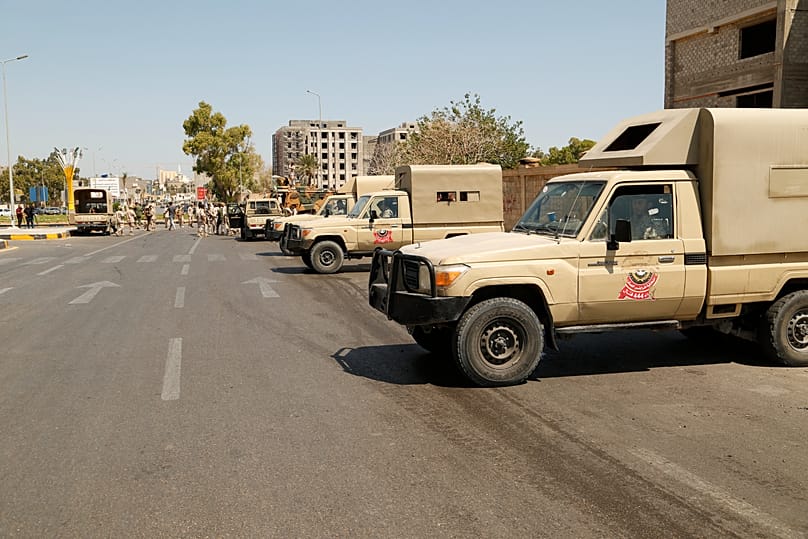
The Tripoli-based government issued a statement denouncing a "terrorist attack" against al-Mansouri, saying it condemned the killing "regardless of one party's positions or alliances".
Khaled's office later said in a statement that authorities arrested a "terrorist cell in Benghazi that was preparing to carry out acts of sabotage" but did not say whether it was linked with al-Mansouri's killing.
Authorities in Benghazi held al-Mansouri's funeral on Tuesday afternoon, publishing photos that showed armed men in military fatigues with the attendance of senior LNA officials at the ceremony, including Khaled and Saddam Haftar.
In a statement, the LNA said it would "not cease fighting terrorism and will continue our struggle for the stability and security of Libya, as well as for the unification of its institutions".
US wants Saddam to take over Libya?
Libya holds Africa's largest proven oil reserves, which have fuelled both sides of the political divide.
Yet efforts remain under way to unify the country's executive powers under a Washington-mediated plan that the LNA has publicly backed.
Under the leaked terms of the plan, Prime Minister Abdulhamid Dbeibah would remain in charge of the Tripoli-based government while Lieutenant General Saddam Haftar — also Khalifa's son — would be elevated to a senior national executive role, possibly heading a unified presidential structure.
Saddam Haftar was appointed deputy commander-in-chief of the LNA in August 2025 as part of a restructuring that effectively distributed operational command among Khalifa's main heirs.
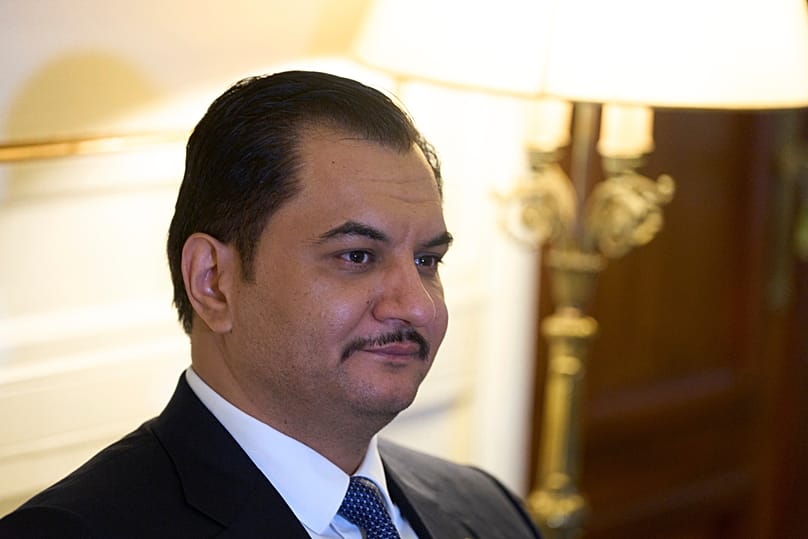
"None of this bodes well for a US plan to re-unify Libya," Kinnear said, adding that under the roadmap, neither side "is likely to be satisfied with their respective positions for long".
"A new, destabilising power struggle could soon emerge."
Libya expert Jalel Harchaoui said the killing would "disrupt, or at the very least delay" the US-brokered deal.
"The agreement rests on two premises: that security reigns supreme in Benghazi, and that for senior officers, loyalty to Saddam (Haftar's son and heir apparent) guarantees protection in the Benghazi stronghold," Harchaoui explained.
But "a bomb that kills the head of military intelligence as he leaves a mosque undermines these premises," he said.
Meanwhile, reunification would "require some gestures of openness toward reform and change within the army", Harchaoui concluded.