












Experts warn that the extreme heat reflects a broader climate trend that is increasing health, water and food security risks across Central Asia.
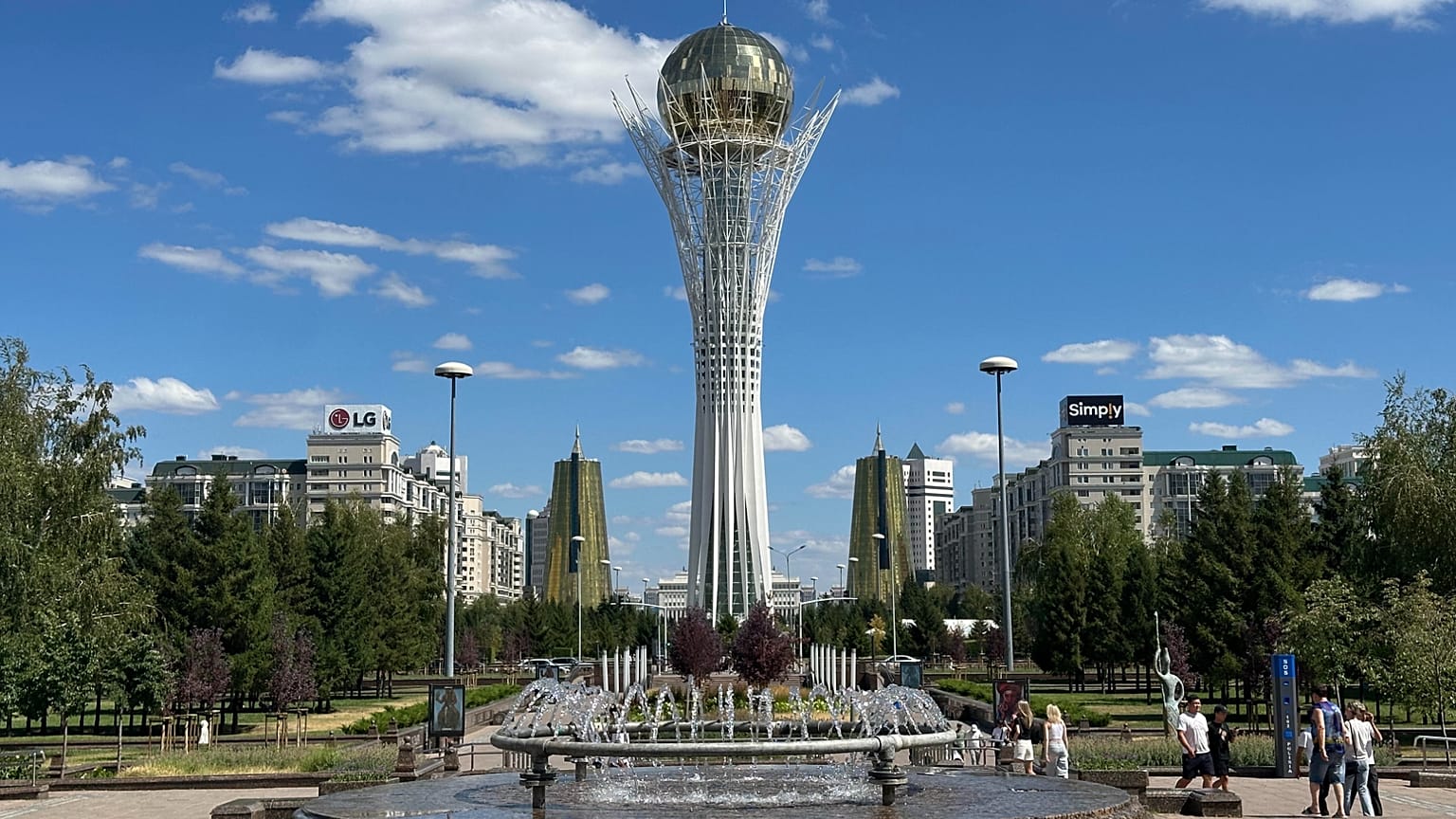
Summer in Astana is only halfway through, yet residents of the Kazakh capital have already endured two record-breaking heatwaves.
 ADVERTISEMENT
ADVERTISEMENT
ADVERTISEMENT
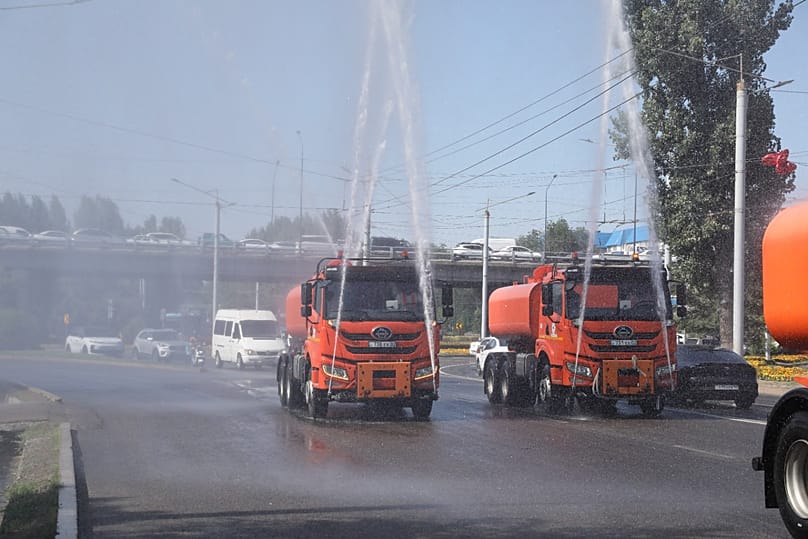
On 14 July, temperatures soared to 39.5°C, breaking the previous record for the date of 35.3°C, set 34 years ago. Just three weeks earlier, on 23 June, the city also set a new record of 36.8°C, surpassing the 36.4°C recorded in 1941.
Last week, residents continued to receive warnings through Kazakhstan's 112 emergency alert system as temperatures remained around 36°C.
Astana is not alone. Across Kazakhstan, the heatwave has pushed temperatures as high as 44°C in the southwest and 45°-48°C in the south and southeast.
According to Kazakhstan's National Hydrometeorological Service, the heat is expected to persist through the end of July, with temperatures of 35°-45°C forecast across western and southern Kazakhstan, the country's hottest regions.
This summer, social media has once again filled with videos from southern Kazakhstan showing residents frying eggs on sun-heated surfaces as temperatures climb above 40°C.
Health systems under pressure
According to UNICEF, nearly three-quarters of Kazakhstan's territory is exposed to climate-related risks that affect human health. A recent World Bank report also warned that, without stronger adaptation measures, heat-related deaths across cities in Europe and Central Asia could triple by 2050.
Yet it remains impossible to say how many people die from extreme heat in Kazakhstan each year. Responding to Euronews, the Ministry of Health said the country does not currently collect a separate national indicator for heat-related mortality.
The ministry also acknowledged that Kazakhstan does not yet have a national Heat-Health Action Plan fully aligned with World Health Organization recommendations, although some elements are already in place. These include public heat warnings and health advice, particularly for vulnerable groups such as older people, children and those with chronic illnesses.
Officials say work is underway to improve the monitoring of climate-related health impacts, including approaches to assessing deaths associated with extreme heat.
Dr Hans Henri P. Kluge, WHO Regional Director for Europe, warns that Central Asia faces a sharp increase in heat-related deaths as the climate continues to warm.
"Projections show Kazakhstan and Uzbekistan face the steepest rises in heatwave-related mortality rates in Central Asia in the near term – and that's under moderate climate scenarios. Sadly, it will get worse."

He says governments should act now rather than wait for the next heatwave. "Every country – including Kazakhstan – needs a heat-health action plan before the next summer, not during it."
According to WHO, countries that have introduced such plans have reduced excess heat-related deaths by around 25 per cent.
Dr Kluge warns that the cost of delaying action could be especially high for Central Asia, where many people live in rural areas and have limited access to cooling.
Heatwaves reflect a broader climate trend
The recent heatwave is not an isolated weather event but part of a long-term warming trend.According to Kazhydromet, Kazakhstan is warming faster than the global average. In 2025, the country recorded its warmest year on record, with the average air temperature 2.98°C above the climate norm.
The number of days with temperatures above 30°C and 35°C is increasing, raising the risk of drought, particularly in southern and western Kazakhstan.
Extreme heat is also raising the risk of wildfires. According to Kazakhstan's Ministry of Ecology, nearly all forest fires recorded so far have been extinguished or contained, but the agency warns that the threat of new fires remains high as hot weather persists.
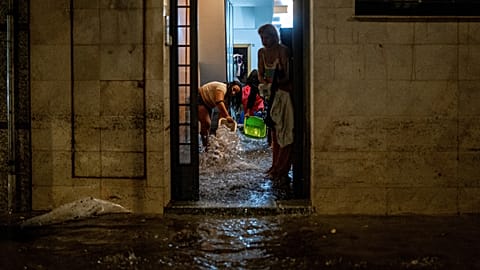
The effects go beyond hotter summers. Earlier snowmelt means spring floods arrive sooner, making it harder to store water in reservoirs for irrigation later in the season. Milder winters also reduce the amount of moisture reaching deeper soil layers, which can affect crop yields.
According to the World Meteorological Organization, Central Asia as a whole is warming faster than the global average. Experts say the region’s inland location, far from the oceans, allows land to heat up more quickly than coastal regions.
"Almost the entire region is experiencing more frequent and longer-lasting heatwaves during the warm season," says Saulet Sakenov, a climate project analyst at UNDP Kazakhstan.
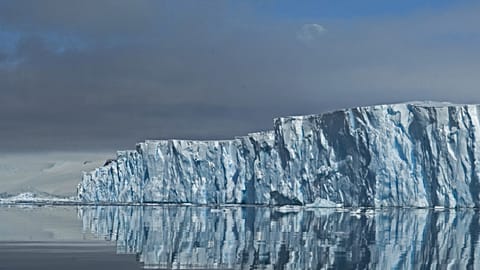
According to Sakenov, Kazakhstan's glaciers have already lost between 14 per cent and 30 per cent of their mass since 1950. While faster melting is temporarily increasing river flows, he warns that this trend will eventually reverse.
"By the end of the century, as glacier reserves become depleted, we will face a period of severe water shortages. River flows in the Syr Darya, Ili and other mountain river basins will decline significantly, creating risks for water, food and energy security across Central Asia," he says.
For Kazakhstan, one of the world's leading wheat exporters, prolonged heat and drought threaten crop yields, pasture productivity and water supplies, raising concerns not only for domestic agriculture but also for regional food security.