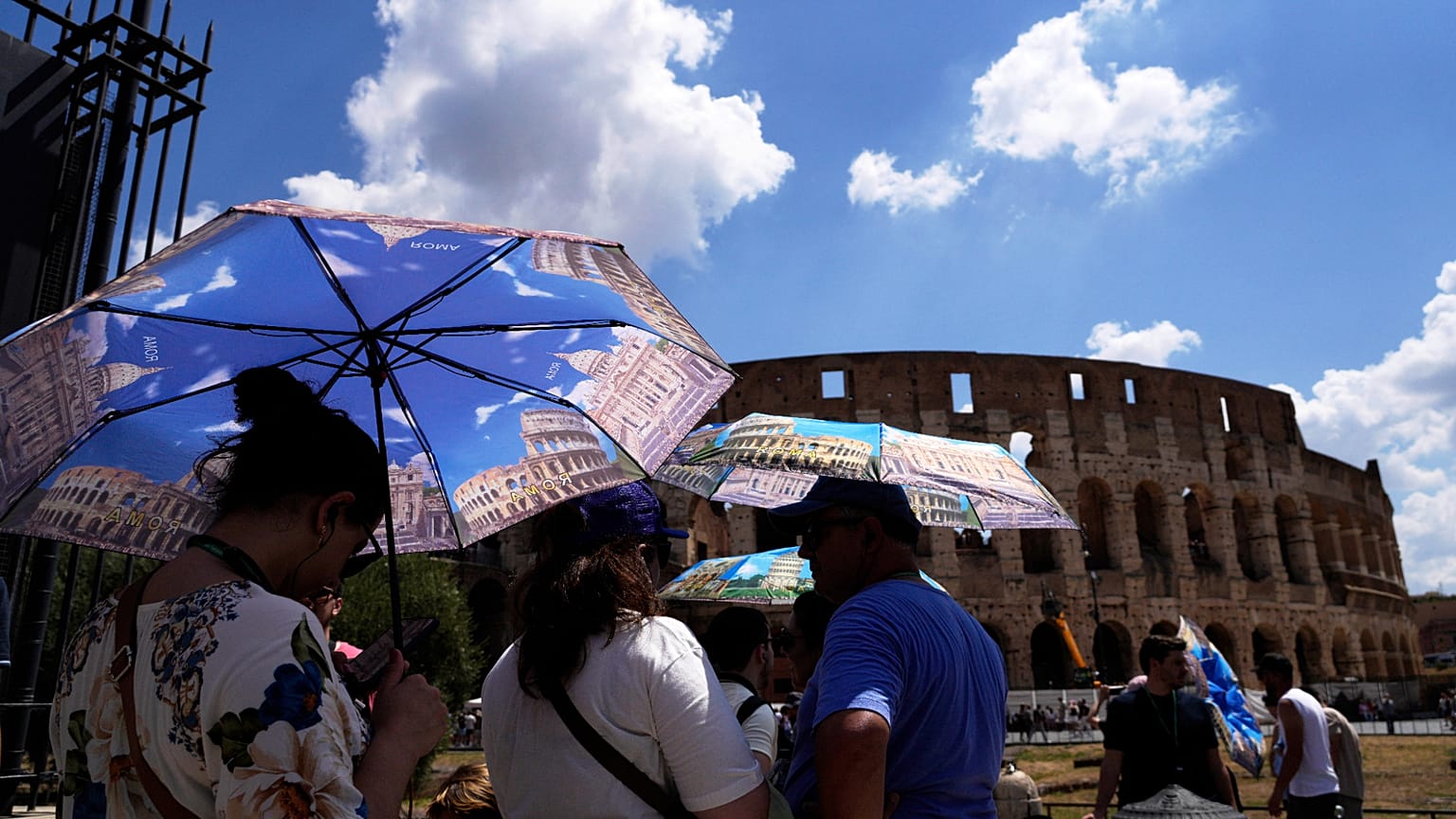














Heat kills thousands of Europeans every year, deaths the WHO says could be prevented with the right policies in place.
Every year, extreme heat leads to a rise in heat-related illnesses and premature deaths across the globe.
 ADVERTISEMENT
ADVERTISEMENT
ADVERTISEMENT
In Europe alone, heat has caused over 200,000 deaths over the last four years and nearly all of them were preventable, said Hans Kluge, the World Health Organization’s Europe director.
“The impacts of climate change are a clear and present danger, and its most immediate and lethal manifestation is extreme heat,” added Kluge during the presentation of WHO’s new Heat–Health Action Plans Guidance in Germany.
“Heatwaves are no longer freak weather anomalies. They are now a recurring crisis inflicting suffering, claiming lives and fracturing our health systems and infrastructure,” he said.
Europe is among the regions of the world more severely affected by global warming and is already dealing with frequent heatwaves, the WHO warned.
Most premature deaths due to extreme heat have occurred in Italy, followed by Spain, Germany and Greece, the last of these recording the highest number of heat-related deaths per million inhabitants.
Rising global temperatures, rapid urbanisation and demographic ageing are converging to increase both exposure to heat and vulnerability to its effects.
Together, these trends are driving a growing and unevenly distributed burden of heat-related illness and death, and underscore the need for effective prevention and preparedness, the WHO warns.
“Protection against heat is also a social issue. After all, those who do not have a garden or a swimming pool and live in overheated flats in concrete-covered urban districts can hardly protect themselves against the heat,” said Carsten Schneider, Germany’s Federal Environment Minister.
Kluge agreed that individual action — such as keeping out of the heat and maintaining homes cool — can make a big difference, but stressed that they are not enough to fight a systemic crisis.
Coordinated efforts for heat protection
The WHO published the second edition of its heat–health action plans on Thursday, offering governments and other stakeholders recommendations to improve heat responses and prevention.
“Put simply, heat–health action plans save lives. They enable cities and countries to anticipate, prepare for and respond to extreme heat in a coordinated way,” said Kluge.
The guidelines cover a broad range of measures, from greening cities for more shade and creating networks of cooling centres, to social services making sure older people stay hydrated and training teachers and child carers to recognise the signs of heat-related illness.
The first WHO guidelines were published in 2008 and have now been updated to reflect the latest findings from research and practice.