




























The UKMTO maritime agency is investigating the incidents and advised vessels in the area to proceed with caution.
A British maritime agency reported strikes on two tankers in the Strait of Hormuz in less than an hour on Tuesday.
 ADVERTISEMENT
ADVERTISEMENT
ADVERTISEMENT
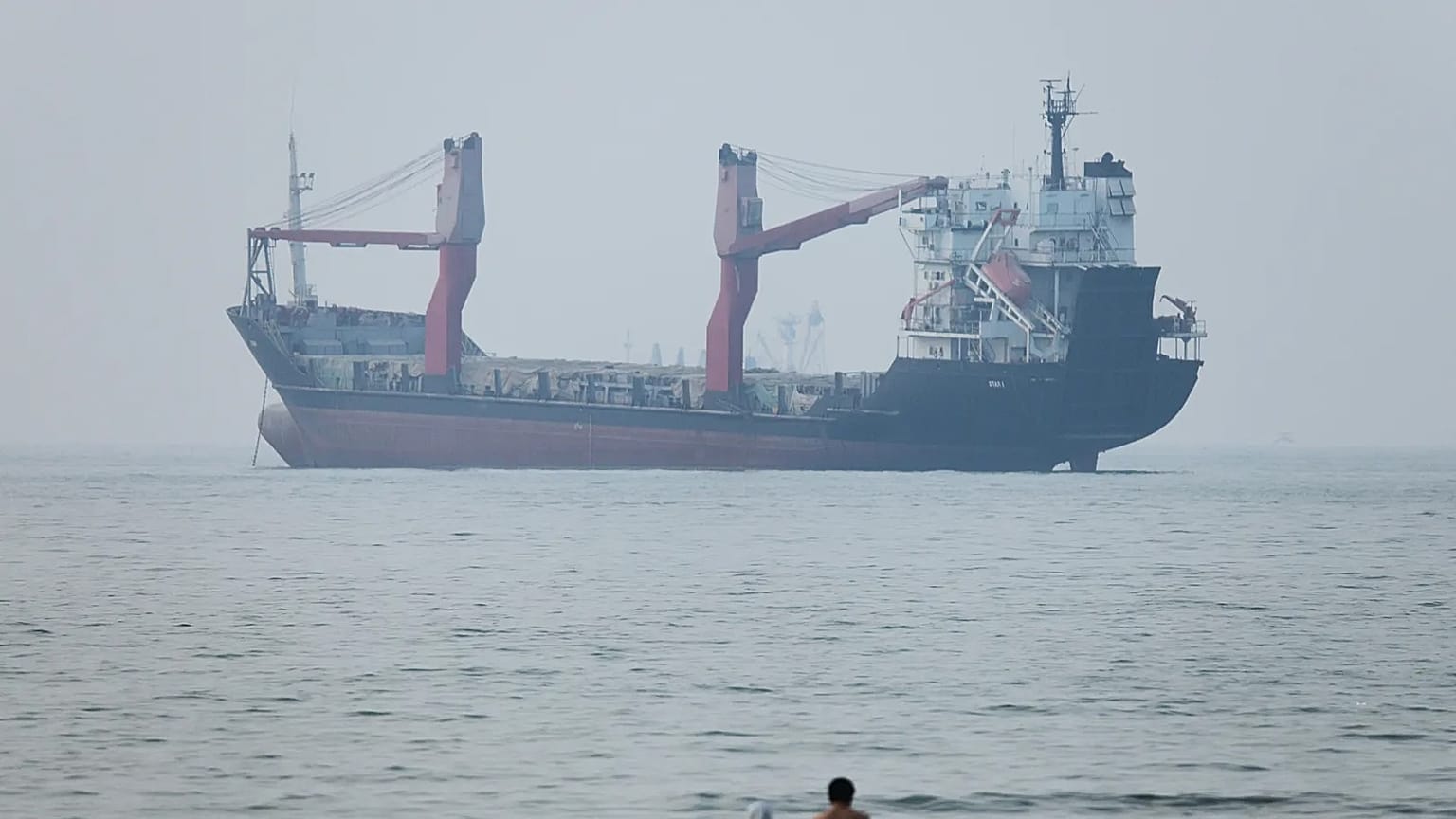
The UK Maritime Trade Operations centre (UKMTO) said late on Tuesday afternoon that it had received a report of a tanker sustaining "minor structural damage" after being hit by a drone while passing through the waterway, which is one of the world's most crucial gas and oil transit chokepoints.
The agency said no casualties or environmental impacted had been reported so far and that the vessel was "continuing to its next port of call".
Around 40 minutes earlier, UKMTO said another tanker was reportedly struck by an "unidentified projectile" in the Strait, taking "structural damage". No casualties have been reported, it added.
The agency is investigating the incidents and advised vessels in the area to proceed with caution.
Early Tuesday morning, a third ship reported being hit in the region by an "unknown projectile on the port side," causing a fire, per UKMTO.
According to the agency, the ship was sailing south out of the Strait, close to Limah, Oman. Again, it said there were no recorded casualties or impacts to the environment.
Iran's Fars state news agency named one of the ships struck in the Strait as the Al-Ruqayat, saying it had been targeted after allegedly ignoring IRGC navy warnings while passing through the Strait's Omani route. Tehran has said only its approved route through the passage is safe.
Majed Al Ansari, a spokesperson for Qatar's foreign ministry, has condemned the attack on the Qatari tanker, calling it an "unacceptable attack on the security & safety of international maritime navigation".
Ansari added that Doha held Iran "fully legally responsible for this attack & for any resulting damages & consequences".
The Strait of Hormuz has been at the centre of tensions between Washington and Tehran and is a key part in the "memorandum of understanding" agreed by the two sides in June.
Tehran had effectively closed off the Strait after the US launched military action against Iran in February, sparking chaos in global energy markets.
Under the terms of the agreement, Washington and Tehran had agreed to a ceasefire. The US is required to remove its naval blockade of Iran while Tehran must reopen the Strait and reaffirm that it "shall not procure or develop nuclear weapons". It gave the two countries 60 days to achieve a final deal.
Talks aimed at implementing the deal have been on hold during funeral ceremonies for former Iranian Supreme Leader Ali Khamenei, who was killed on the first day of the conflict.