




























“Most intensive care units in Germany are now air-conditioned, but that's about as far as it goes.”
Officials warned that Germany is “insufficiently prepared” for extreme heat, just weeks before a blistering heatwave brought roads and transport to a standstill.
 ADVERTISEMENT
ADVERTISEMENT
ADVERTISEMENT
Yesterday (Sunday, 28 June) Germany broke temperature records for the third consecutive day, as a high-pressure pattern that traps hot air over Europe began shifting east.
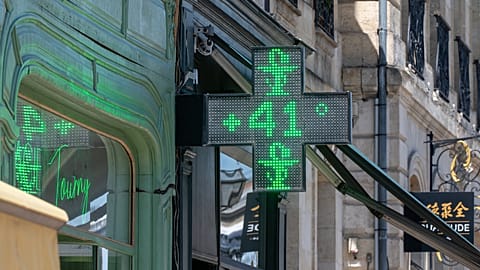
The DWD German Weather Service provisionally measured temperatures reaching 41.7°C in a small rural settlement in Brandenburg. Tropical nights, where the temperature never drops below 20°C during a 24-hour period, also swept across the country – offering little relief from the intense heat.
Across Europe, more than 1,300 excess deaths linked to the heatwave have been recorded since 21 June, according to the World Health Organisation (WHO).
Germany’s heatwave triggers nationwide chaos
While temperatures are dropping across Germany, replaced with a slew of thunderstorms and downpours, the country is still reeling from a weekend of scorching highs.
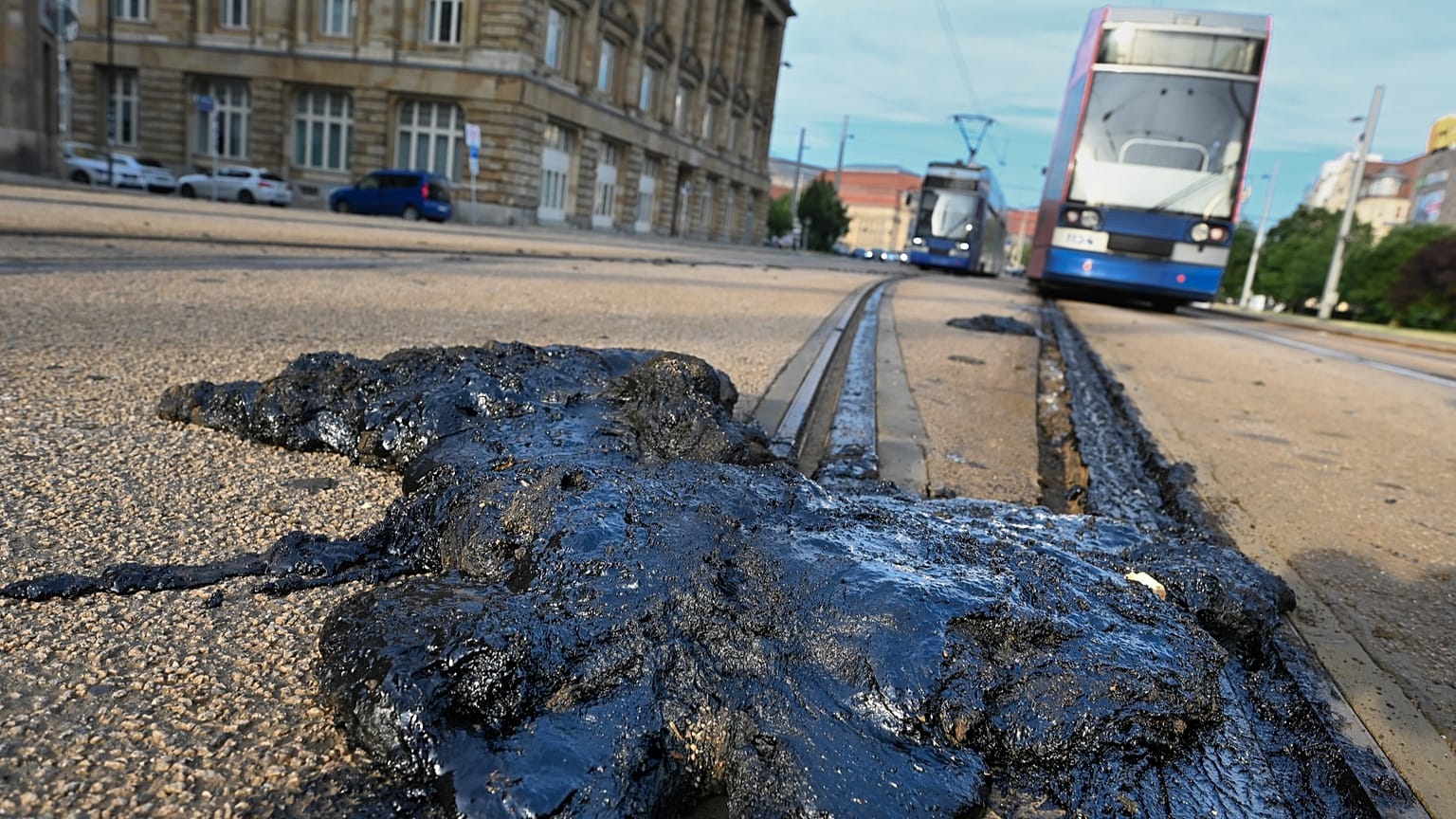
As of this morning large stretches of the motorway in Brandenburg and Saxony-Anhalt remain closed because of heat damaging the road surface, while drivers are being asked to avoid the usually busy A2 road. In Leipzig, the asphalt melted directly above tram tracks, closing busy routes.
Caritas president Eva Maria Welskop-Deffaa called for more churches to be kept open over the weekend for visitors needing to cool down.
Climate shelters are quickly gaining ground in Europe. In Spain, public buildings like libraries and museums provide citizens with free water and cooling – an essential lifeline for vulnerable communities.
Germany’s hospitals are feeling the heat
Just two weeks before the mercury exceeded 40°C, the German Medical Association urged the country to take urgent steps to make sure that hospitals, care homes and doctors’ surgeries remain operational during extreme temperatures.
These facilities often face additional strain during intense heat due to the risk of heat stress among elderly, babies and sick people.
In France, emergency rooms have reported a fourfold increase in heat-related visits, while cardiac arrests have surged following similar temperatures to those in Germany.
The German Medical Association argues that heat protection should now become a mandatory part of crisis preparedness – calling for healthcare providers to be involved in implementing new strategies.
Experts have previously called for more funding for heat protection in hospitals and nursing homes due to a lack of cooling.
"Most intensive care units in Germany are now air-conditioned, but that's about as far as it goes,” Susanne Johna, chair of the Marburg Association, Germany’s doctors’ trade union, told local media.
“Only a third of hospitals have air-conditioned patient rooms.”
Climate change is ‘directly responsible’ for Europe’s heatwave
Scientists point out that these sizzling temperatures are becoming more frequent and severe, as heat-trapping gases continue to bake the planet.
An analysis by World Weather Attribution (WWA) found that both the daytime highs and overnight temperatures seen during this heatwave would have been “virtually impossible to occur at this time of year” as recently as 1976 – just 50 years ago.
“Continued fossil-fuel emissions are directly responsible for the disruption people are experiencing this week in their homes, schools and workplaces,” says extreme weather researcher Dr Theodore Keeping.
“The speed of change is startling. Every few years we are seeing heat records shattered in Europe. This year it has been in consecutive months.”