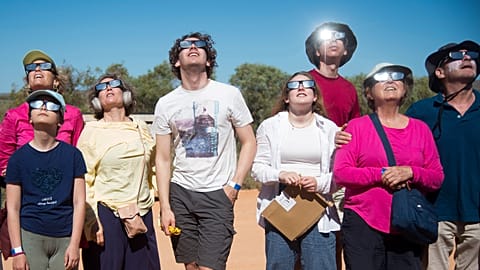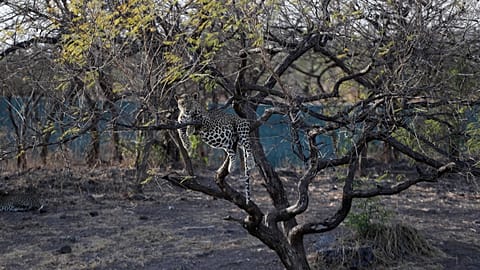
















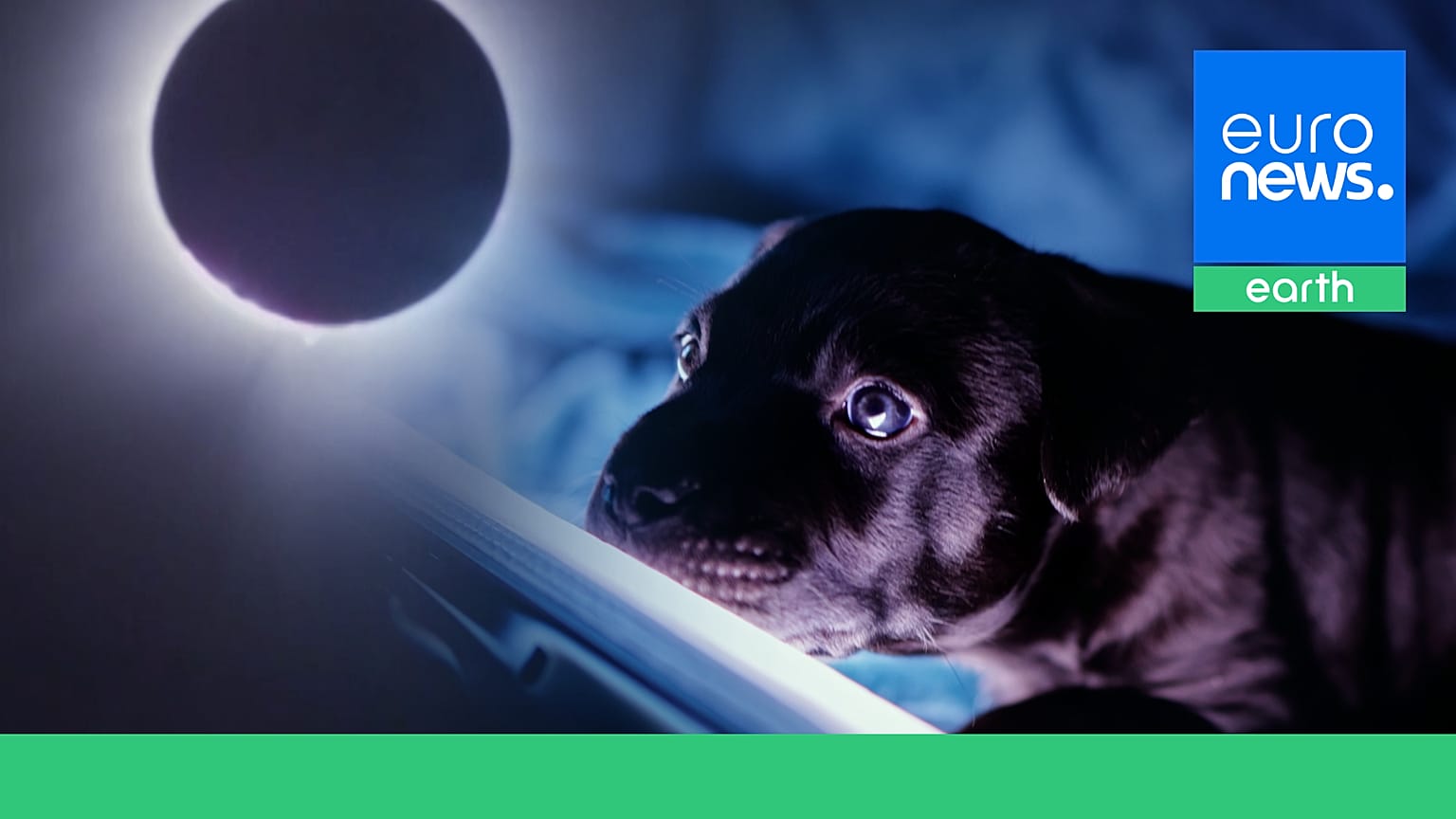














Today's rare solar eclipse is thrilling for humans, but animals will face something they can't prepare for: sudden confusing darkness in the middle of the day.
Once day seemingly and unexpectedly turns to night, many animals will likely feel confused, disorientated or stressed - thankfully, for just a few minutes.
 ADVERTISEMENT
ADVERTISEMENT
ADVERTISEMENT
Animals, both wild and domesticated, rely on important environmental cues - like light and temperature - to help them navigate their daily lives. As light fades and temperatures drop, these cues suddenly change.
Scientists who have studied animal behaviour during eclipses have a fairly clear picture of what tends to happen - even if not every animal reacts the same way.
How different species react to eclipses
People observing a total solar eclipse often notice the sudden silence. Birds that sing throughout the day frequently stop the moment darkness falls, as though evening has arrived hours early. Nocturnal animals, such as owls, can do the opposite and become active, behaving as though dusk has begun.
Many - from zoo mammals to bees and other insects - interpret the sudden darkness as nightfall. Elephants have been seen heading straight for their night-time dens, treating the eclipse as their usual lock-up signal. Others show clearer signs of stress: gorillas have charged the glass of their enclosures, while giraffes have paced and swayed.
House pets may be worried too. Dogs and cats often pace, whine or hide during totality - a response some researchers compare to how pets react to fireworks or thunderstorms.
Normality returns within minutes
Total darkness itself is brief - lasting only a few minutes. As sunlight returns, the animal behaviour reverts just as suddenly.
Birds often burst into song, reportedly singing even louder than they would at a normal dawn. Within a short time, most animals settle back into their ordinary daytime routines, as if nothing unusual had happened at all.