

















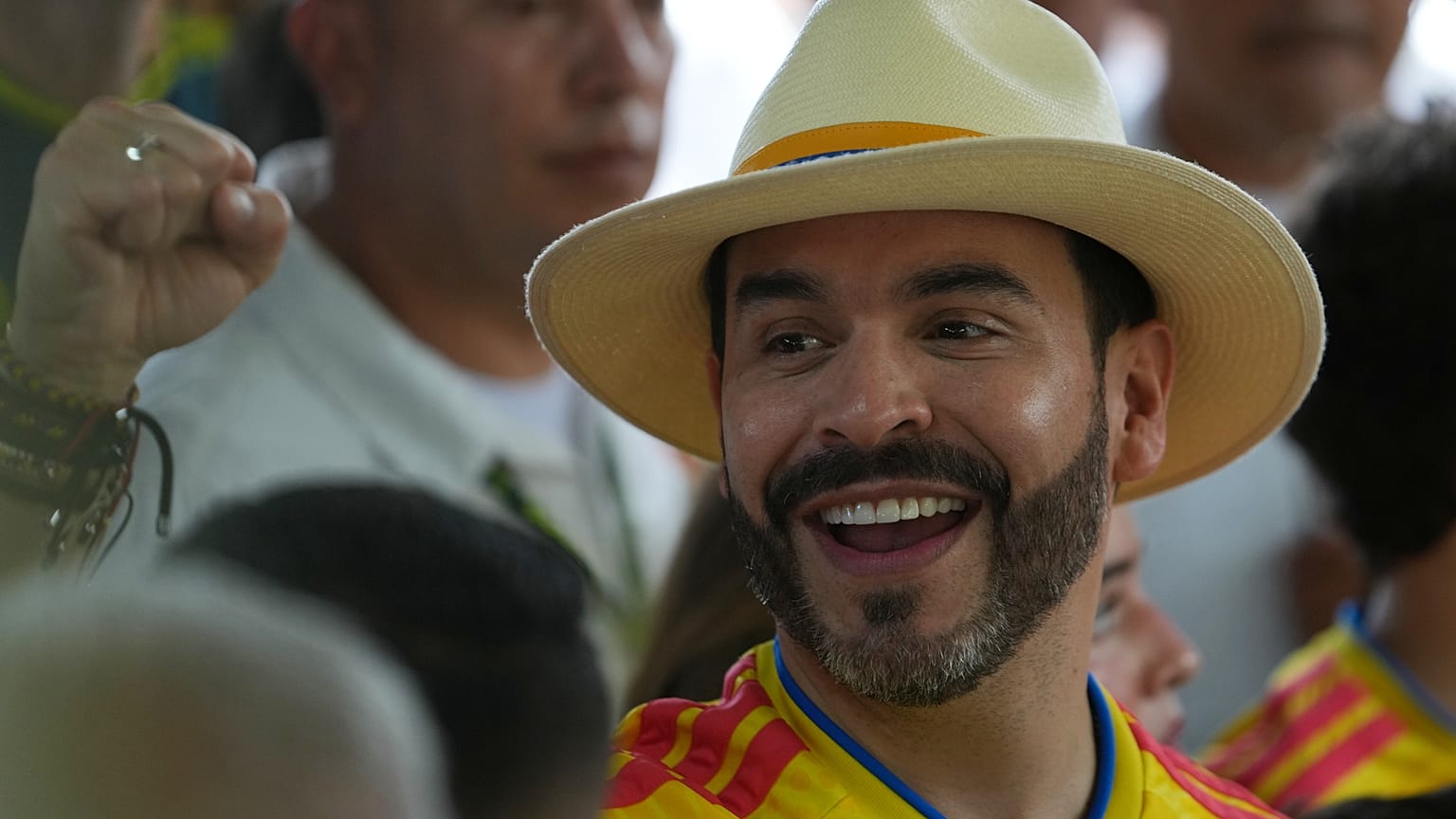













The president-elect created his movement just 11 months ago, mirroring the model that worked in Argentina and El Salvador: patriotic talk, a firm hand against crime, and contempt for traditional politics.
A year ago, the name Abelardo de la Espriella did not appear on any list of presidential contenders. No one in or outside Colombia had heard of him. Today, however, after the second round of elections and pending the final count, he has become the next president of Colombia.
 ADVERTISEMENT
ADVERTISEMENT
ADVERTISEMENT
A lawyer by profession, De la Espriella founded his movement, “Defensores por la Patria,” (Defenders for the Homeland) less than a year ago. In July 2025, he registered his party with a stated purpose: to block the left represented by Gustavo Petro and his successor, left-wing senator Iván Cepeda, who finished less than two points behind his rival.
His biography is not that of a career politician, and he has made precisely that his calling card. De la Espriella, 47, made his fortune at the head of his criminal law firm, where he represented controversial clients such as the Colombian-Venezuelan businessman Alex Saab (currently detained in the United States) and David Murcia Guzmán, the mastermind behind the biggest pyramid scheme in the country.
Lawyer and businessman
But De la Espriella is not just a lawyer; he is also a businessman. “De La Espriella Style” is his personal venture. On its website, it sells everything from alcoholic drinks such as rum and wine to books, coffee, and men's clothing.
“Sempre Avanti” is his clothing brand. It presents itself as “a tribute to art and style, to the virtue of men who understood that you are treated as you are seen, that everything communicates, and that dressing well means doing things well; it is about attracting success and fulfilment”.
The website sells Italian-inspired garments which, according to the brand itself, are of “the highest quality”.
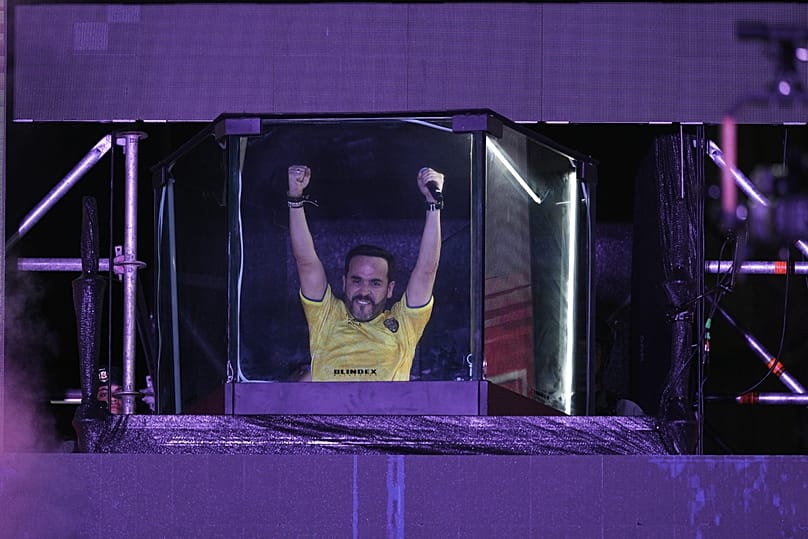
To those who reproach him for never having held public office, he replies that this is precisely his strength. The absence of a known political track record has been the best credential for this previously unknown candidate, who has managed to capitalise on the discontent of millions of Colombians by presenting himself as an outsider, detached from the political establishment.
An old model
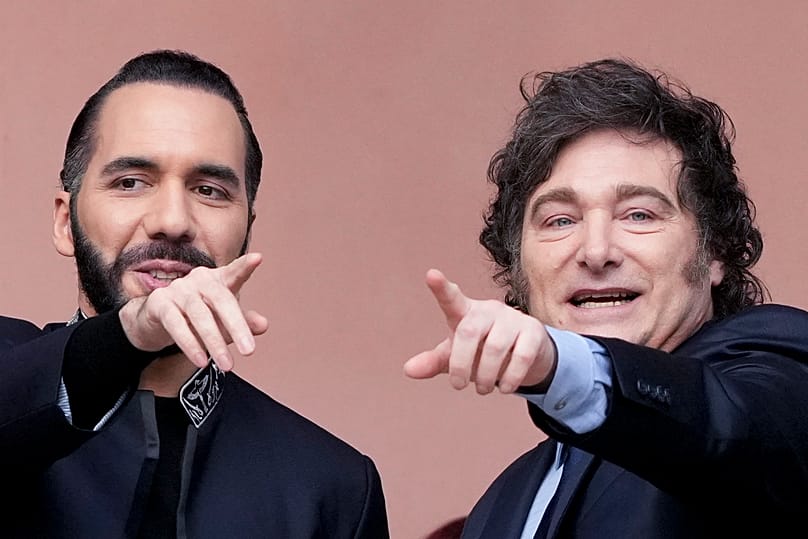
The model, although new in Colombia, is already well known elsewhere. De la Espriella draws from the same playbook as Nayib Bukele in El Salvador, Javier Milei in Argentina, and Donald Trump in the United States, whom he openly admires. Military salutes, invocations of God, patriotic messages, and the promise to fight criminals and the corrupt “with an iron fist”: a formula that has struck a chord with Catholic and evangelical voters and has withstood criticism over the sexist and homophobic comments that have dogged him throughout the campaign.
Born in Bogotá in 1978, De la Espriella holds three nationalities: Colombian, American, and Italian. This has been the weakest point of his candidacy, as he has had to fend off criticism throughout the campaign that has raised doubts about whether holding multiple nationalities is compatible with running for the country's presidency.
The elimination in the first round of the only female candidate, the conservative Paloma Valencia, has also worked in his favour. She urged her supporters to vote for him, as did former president Álvaro Uribe, who publicly backed the candidate as an alternative to the continuation of “petrismo”.
Married and the father of four, he arrives at the Casa de Nariño facing an enormous challenge: reducing organised crime in a country that ranks as having the second-highest level of criminality in the world.