


















The discovery of suspected cartel killing sites and a record number of disappearances has renewed scrutiny of one of Mexico's deepest social wounds.
On the opening day of the 2026 FIFA World Cup, the contrasting emotions in Mexico City were palpable - a city torn between celebration and crisis.
 ADVERTISEMENT
ADVERTISEMENT
ADVERTISEMENT
Mexico is jointly hosting the tournament alongside the United States and Canada, and kicked off the competition with a star-studded event at the Estadio Azteca featuring Shakira, Andrea Bocelli and Burna Boy.
But while fans danced to the music inside the stadium, outside the atmosphere was markedly different. The sound of drums echoed in protest, not celebration.
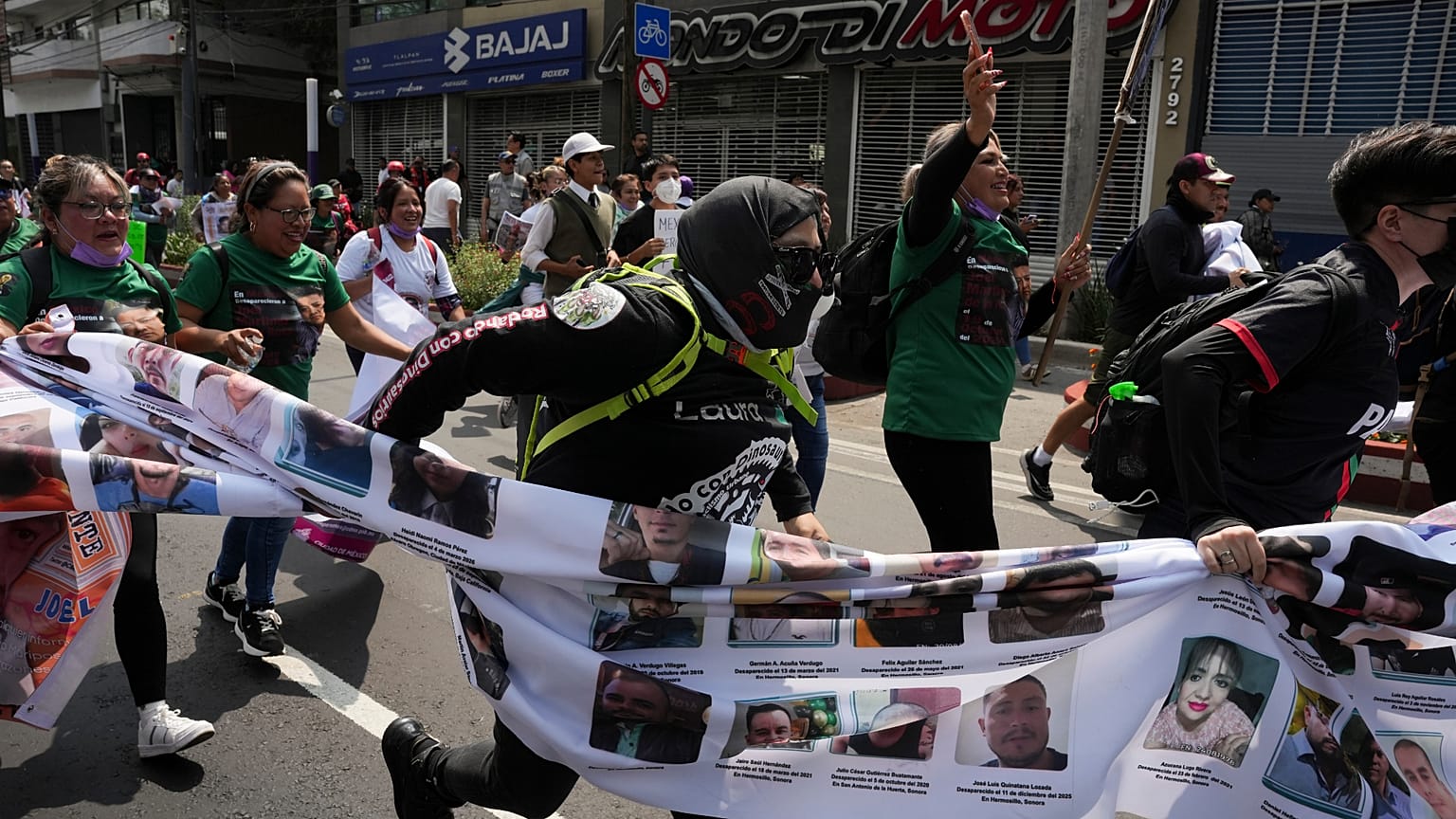
More than 1,000 relatives of Mexico's missing people marched towards the venue carrying candles and photographs of loved ones who had vanished, many without a trace.
As 48 teams battle for the World Cup trophy, protestors have bestowed their own title on the host nation, "Mexico campeon en desaparcion" - Mexico the champions of disappearance.
Their message was simple: as the world's attention turns to football, they do not want the country's missing persons crisis to be forgotten.
The scale of the problem
According to official figures, more than 130,000 people are registered as missing in Mexico. The number has steadily increased over the past two decades, coinciding with the expansion of organised crime groups and the intensification of Mexico's drug war.
Many disappearances are believed to be linked to criminal organisations involved in drug trafficking, extortion and human trafficking. Victims may be abducted, forcibly recruited, killed or buried in unmarked graves.
In some cases, families and rights groups have alleged failures by authorities to properly investigate disappearances or pursue those responsible.
The issue returned to the national spotlight with the discovery of a site linked to Mexico's cartels in the western state of Jalisco in 2025. Civilian search groups reported finding human remains, personal belongings and evidence suggesting the location may have been used to detain and kill victims.
The discovery prompted widespread outrage and renewed calls for accountability.
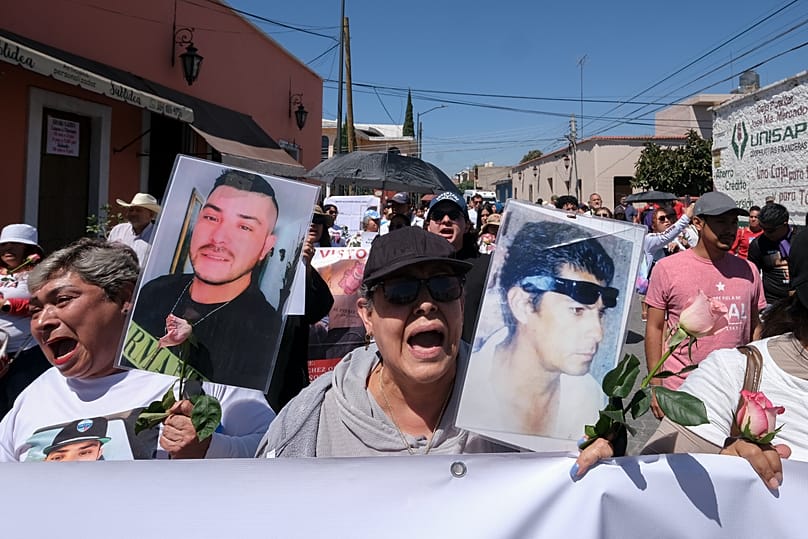
Mexico's "searching mothers"
A distinctive feature of Mexico's missing persons crisis is the role played by relatives, particularly mothers, who have formed volunteer search collectives. Known as madres buscadoras, or "searching mothers", these groups often conduct their own investigations and organise searches in remote areas, abandoned properties and suspected burial sites.
Supporters say the groups have succeeded in locating evidence and remains that might otherwise have gone undiscovered. However, activists frequently face threats from criminal organisations and have criticised what they describe as inadequate government support and protection.
In response to growing public despair, President Claudia Sheinbaum has proposed reforms aimed at strengthening the search for missing people. The measures would make it easier to identify missing persons, improve the organisation and sharing of case information, increase transparency around official disappearance figures, and ensure investigations begin immediately without the need for a waiting period.
The reforms would also create a clearer legal distinction between kidnapping and missing persons cases.
Announcing the proposals in March, Sheinbaum said: "We're working with three government entities, which is fundamental to avoid impunity. It's very important that families report disappearances... and it's our obligation to provide support (for the families)."
The protests reflect the frustration of families who continue to seek answers about the fate of their loved ones. For many, the issue is not only about criminal violence but also about truth, justice and recognition for the thousands of people who have vanished.
As demonstrations continue, campaigners hope to keep international attention focused on a crisis that has spanned communities and generations across Mexico for two decades.