




























Germany’s nature group NABU has for years tracked the spread of the giant Nosferatu spider. It now seems established on the Baltic coast, often seen on Rügen and Usedom. But how dangerous is it really?
For some people this spider looks like something straight out of a nightmare. The Nosferatu spider is continuing to spread across Europe. The species, which is actually native to the Mediterranean region, is now being sighted with increasing frequency on the Baltic Sea. The nature conservation organisation NABU has been documenting the spread of this unusual spider, which can also bite humans, in Germany for several years.
 ADVERTISEMENT
ADVERTISEMENT
ADVERTISEMENT
Named after a horror film
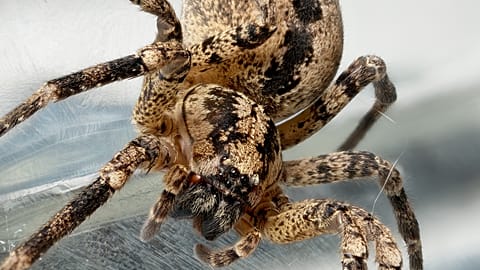
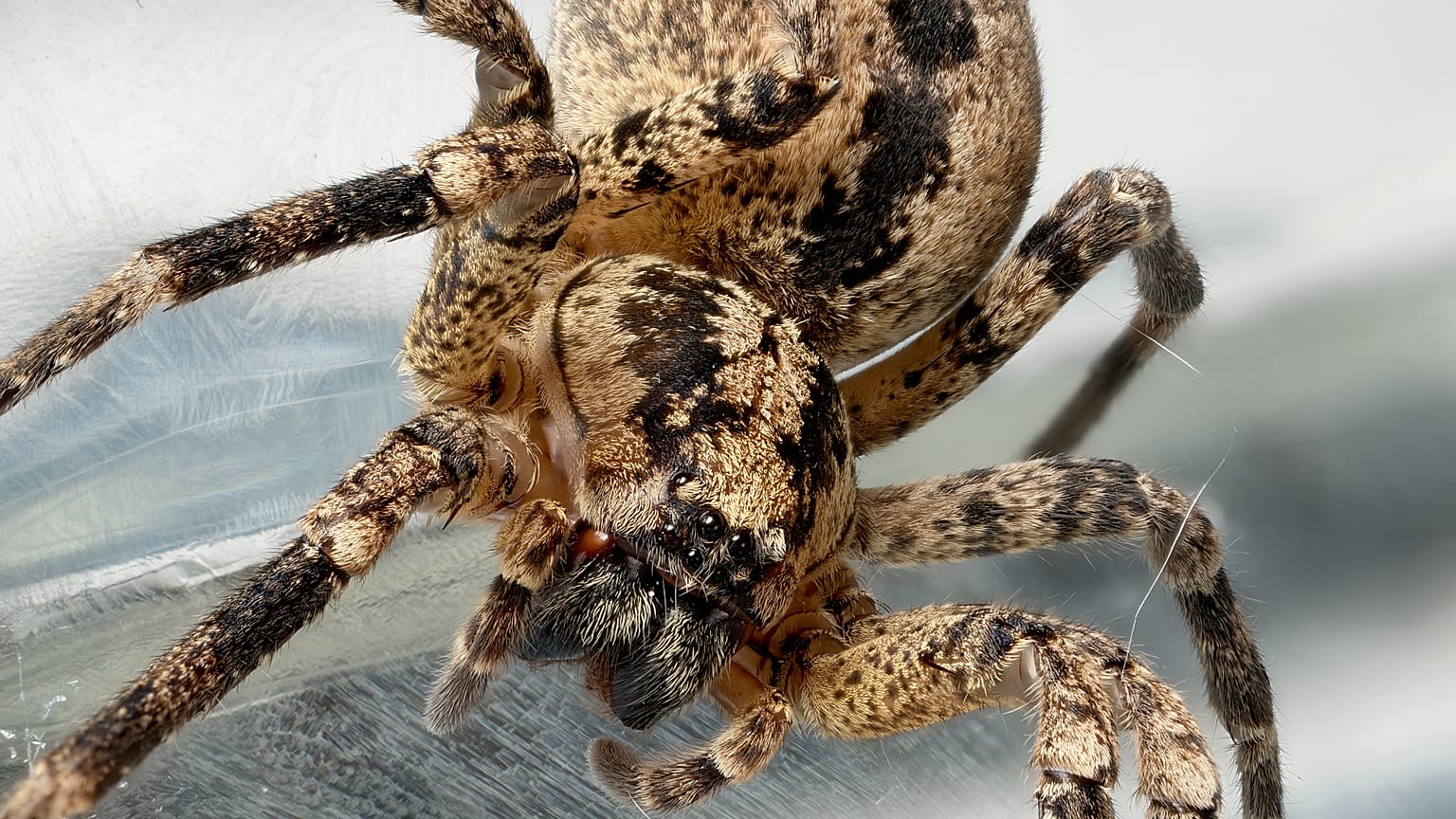
In German the large spider Zoropsis spinimana is indeed named after a horror film, namely after the vampire in the silent movie "Nosferatu: A Symphony of Horror" by Friedrich Wilhelm Murnau. Nosferatu in the film has pointed teeth and, like the spider, spindly arms and legs. Those who coined the name also believed that the markings on the carapace of the Nosferatu spider resemble the face of blood-sucking Dracula. Others see a skull or a mask in the spider's pattern. NABU even refers to it as "the spider with the vampire tattoo", and says it is a stroke of luck because so many people are interested in it.
Male spiders are generally smaller and grow to between 10 and 13 millimetres, while females can reach a size of 10 to 19 millimetres. Including the legs, Zoropsis spinimana can reach an impressive length of up to 8 centimetres.
Observed in all federal states: "More reports than ever before"
Thanks to a reporting campaign in which tens of thousands of people across Germany took part, NABU has now confirmed the presence of the Nosferatu spider in all federal states. Most recently there have been numerous reports from the Baltic Sea, from Rügen and Usedom.
Even in the cooler state of Schleswig-Holstein the Mediterranean spider now feels at home. NABU assumes that holidaymakers may also have brought the Nosferatu spider into the country in their luggage.
According to Dr Alexander Wirth from NABU, there were "more reports with photos than ever before" in spring 2026: "So far we have already received more than 2,500 images. If you look at this period (January to May) for the individual federal states, almost all of them are seeing a record number of photo reports for spring 2026."
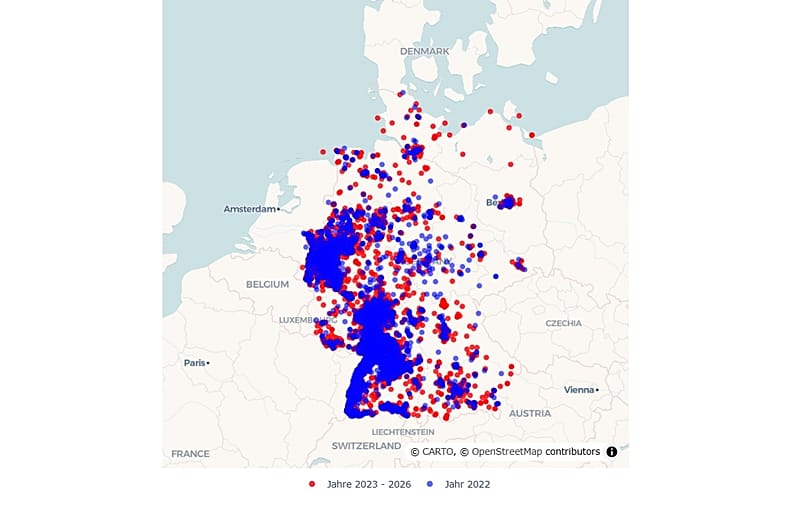
The NABU Naturgucker portal has published an interactive online map showing the spread of the Nosferatu spider (source in German).
And if the Nosferatu spider bites...
If it feels threatened, the Nosferatu spider may bite a person. The bite is similar to a wasp sting. The swelling goes down after a few days. Only people with allergies need to be cautious.
Thanks to its adhesive hairs, this spider species can even climb up windows and other glass surfaces, and can therefore get virtually anywhere. Because Nosferatu spiders like it warm, they often stay inside buildings. Anyone who finds a Nosferatu spider in their house or flat should not squash it, but gently take it outside.
Nosferatu spiders are particularly fond of spending the winter in homes or garages. According to NABU, images of juveniles and egg sacs show that this makes reproduction possible all year round, which, alongside climate change, could be an important factor in the successful spread of the species.
As NABU explains, they feed mainly on other spiders, which can be larger than they are, and they also eat flies and moths.