












New data shows that solar installations across Europe are cushioning the continent from volatile fossil fuel price shocks.
Solar power is sheltering Europe from the crippling costs of fossil fuel imports, as the war on Iran continues to keep oil and gas prices sky-high.
 ADVERTISEMENT
ADVERTISEMENT
ADVERTISEMENT
Brent crude, which is used as the worldwide benchmark for oil prices, remains particularly volatile due to Iran's stranglehold on the Strait of Hormuz, a vital passage which usually carries around one-fifth of global oil supplies.
Yesterday (Wednesday 15 July) Brent crude was trading at $85 (approximately €74) per barrel – a €10.47 increase compared to the day before the war began (27 February). The benchmark Dutch TTF natural gas price has also surged since conflict began by around €20 per MWh, according to today's trading.
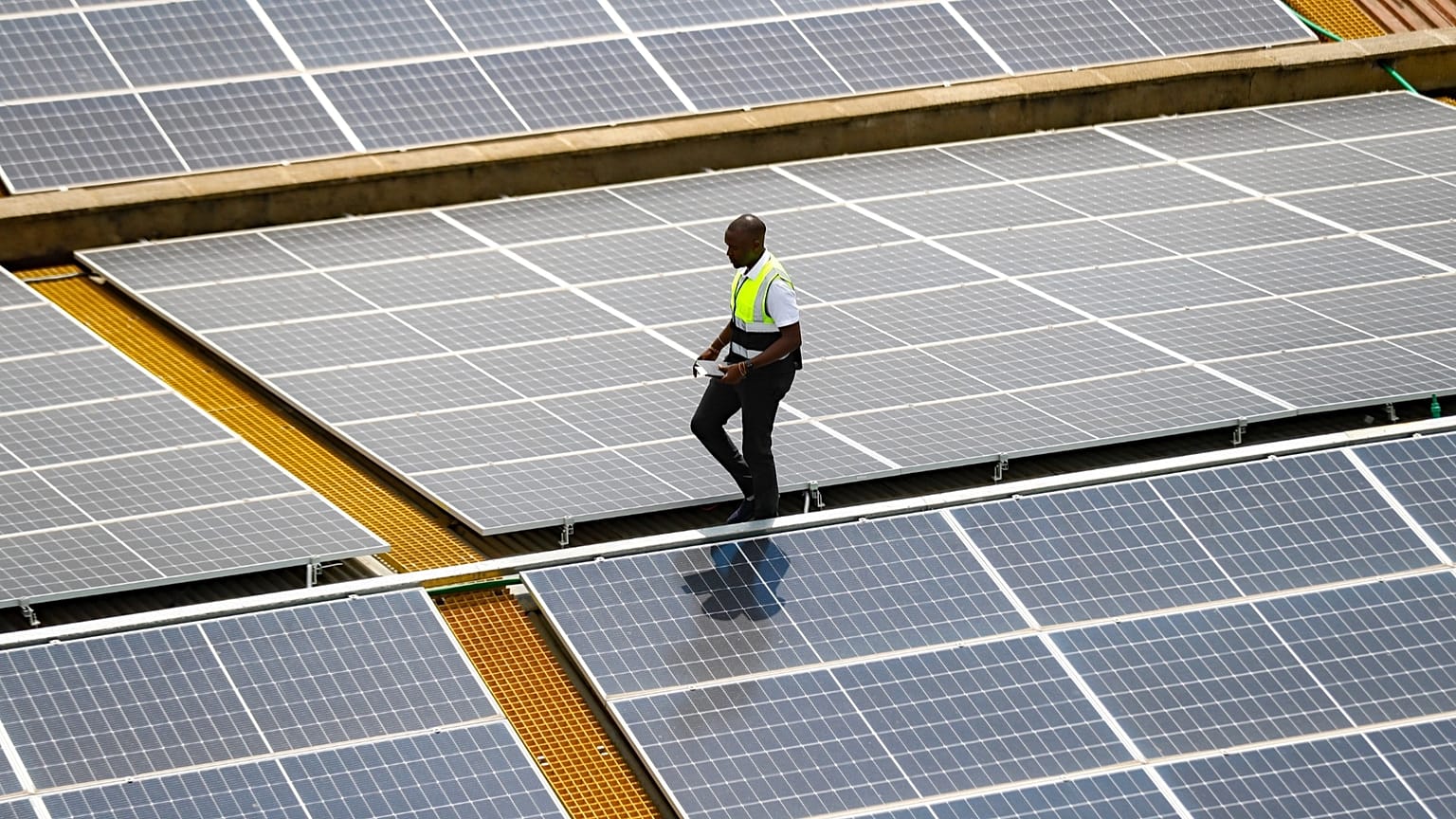
However, new analysis by SolarPower Europe reveals that harnessing sunlight for power saved Europe €20 billion between 1 March and 15 July by lowering demand for gas imports.Over the 137-day period, solar delivered average savings of €146 million per day. This is more than what France spends on defence each day.
Solar is the 'route to long-term energy security'
"Every megawatt-hour generated by solar power reduces our dependence on imported fossil fuels and makes Europe safer," says Walburga Hemetsberger, CEO of SolarPower Europe.
"This news follows solar becoming EU’s largest single source of electricity in June, supplying 25 per cent of the bloc's power. It's a demonstration of the returns on Europe's investment in abundant, homegrown renewable energy resources. We can go further and faster."
Hemetsberger adds that electrification, more renewable generation and non-fossil flexibility solutions such as battery storage can help shield Europe from the risks of future fossil fuel price shocks, becoming the "route to long-term energy security".
How renewables are shielding Europe from rising gas prices
Several European nations have already demonstrated the benefits of revolutionising their energy systems by focusing on green technology prior to the war on Iran.
Since 2019, Spain has doubled its wind and solar capacity, adding more than 40GW to its energy mix. To put that into perspective, a power plant with a capacity of 1 GW could power approximately 876,000 households for one year, if they consume the average of 10,000 kWh of electricity per year.
“Spain’s wind and solar growth has reduced the influence of expensive fossil generators on the electricity price by 75 per cent since 2019,” energy think tank Ember said in a report published last year.
“This decline in the hours where the electricity price was tied to gas power cost was faster than in other gas-reliant countries, such as Italy and Germany.”
In European power markets, the most expensive generator operating to meet demand, which is typically fossil fuels, sets the hourly wholesale electricity price. However, as generation from lower-cost technologies like wind and solar grows, it displaces gas and coal, meaning fossil fuels determine the price less often.
Record wind has also helped the UK break a new renewable record, despite "fantasy" claims that the country needs to drill the North Sea for oil.
On 26 March, British wind energy generation hit a new high of 23,880 megawatts, enough power to cover 23 million homes.
“Wind provided more than half of Britain’s electricity during this record period, and it’s highly significant that earlier in the day low-cost wind and solar squeezed expensive gas off our energy system – with gas falling to its lowest level of generation for nearly two years, providing just 2.3 per cent of our electricity,” says RenewableUK’s Tara Singh.
“That’s what the energy transition looks like in practice, and it shows why we need to continue to build out an ambitious pipeline of new clean energy projects now and in the years ahead.”
Which EU country is leading the renewables race?
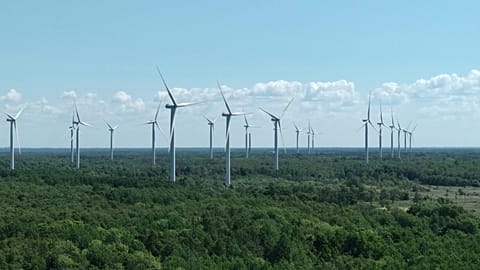
In 2025, wind and solar generated more EU electricity than fossil fuels for the first time ever, marking what experts described as a “major milestone” in the transition to clean power.
A report from Ember found that wind and solar accounted for a record 30 per cent of EU electricity, overtaking fossil fuels by just one per cent.
In 2024, Austria led the way as the country with the highest green electricity use rate (90 per cent) – spearheaded by its 16 hydroelectric power plants.
Sweden came a close second at 88 per cent, powered mainly by wind and water, while Denmark was ranked third with 80 per cent of its energy coming from renewable sources.
This was followed by Georgia (68.4 per cent), Portugal (65.8 per cent), Spain (69.7 per cent) and Croatia (58 per cent). Malta was ranked last, with just 10.7 per cent of renewable energy use.