
















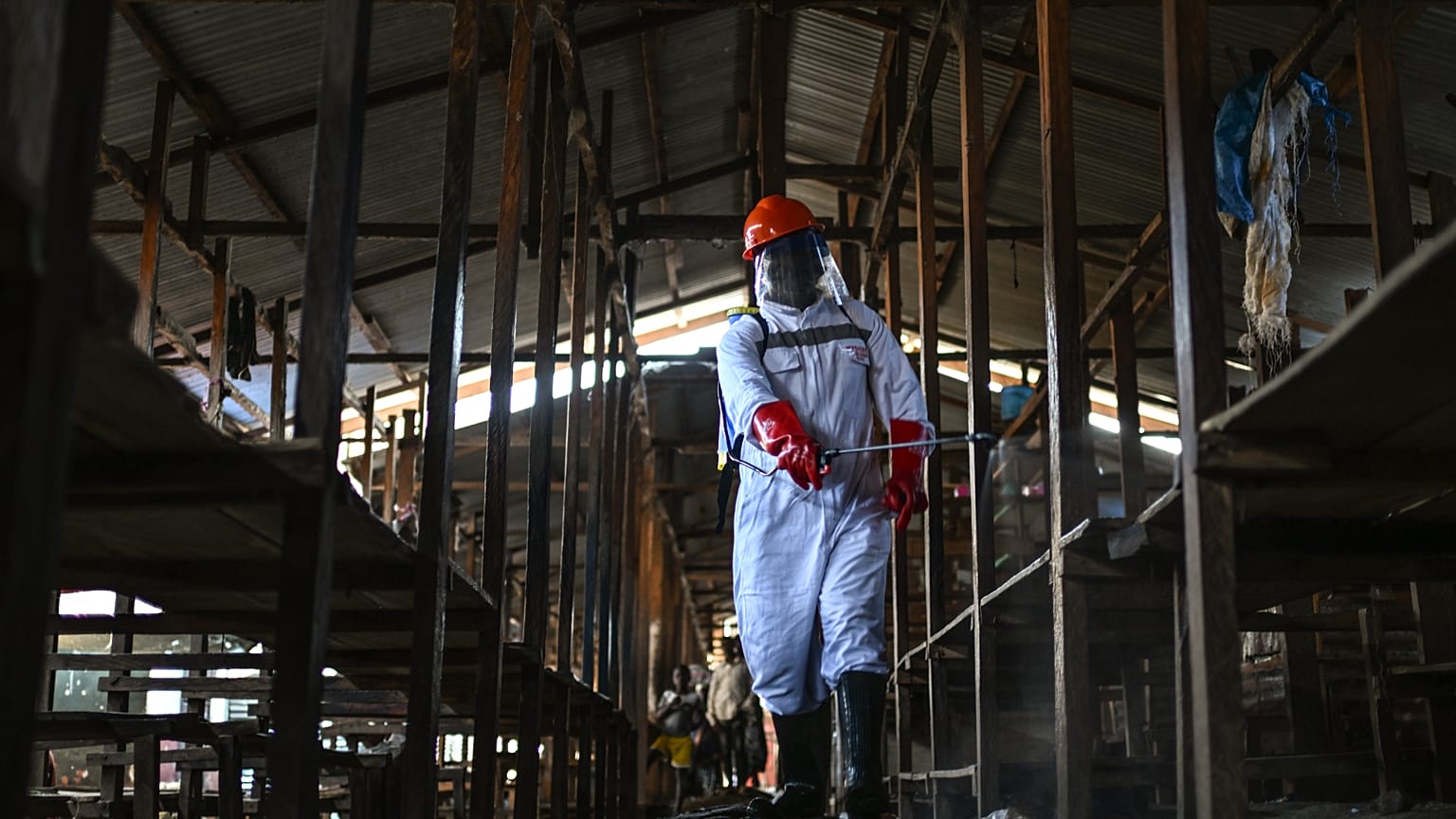














The decision by the Ugandan Ebola task force, which goes against World Health Organization guidance, follows a rise in health workers exposed to Ebola by Congolese patients who crossed before the outbreak was declared.
Ugandan authorities on Wednesday ordered the closure of the border with its neighbour, the Democratic Republic of Congo, as suspected cases of a rare type of Ebola surge to near 1,000 in its neighbour.
 ADVERTISEMENT
ADVERTISEMENT
ADVERTISEMENT
The decision by the Ugandan Ebola task force comes as other variants of the virus emerge and follows a rise in local health workers exposed to the virus by Congolese patients who crossed before the outbreak was declared on May 15.
According to the Ugandan Ministry of Health, travel across the Congo border will be authorised only in emergency cases, including for the outbreak response, cargo or security reasons.
"Uganda is temporarily closing the border with the Democratic Republic of Congo with immediate effect. The only exceptions are for authorised Ebola response teams, the humanitarian operations, food and cargo transportation and security. But all this will still be under strict health screening and monitoring protocols across the border," said Diana Atwine, Permanent Secretary, Ministry of Health.
Atwine added, "Any people entering from Congo under emergency circumstances would be taken into mandatory self-isolation for 21 days."
The border closure measure, however, goes against World Health Organization (WHO) guidance. The WHO, while declaring the outbreak a public health emergency of international concern, discouraged border closures while acknowledging that neighbouring countries were at high risk of contagion.
Closures "push the movement of people and goods to informal border crossings that are not monitored, thus increasing the chances of the spread of disease," the UN agency said
Seven suspected cases reported in Uganda
Uganda has reported seven cases of Ebola, including the first case of a 59-year-old man who died in Kampala, the capital, on 14 May, while the DR Congo, suffering from its 17th Ebola outbreak, has reported some 228 deaths.
Although the caseload is not spiking in Uganda, the number of locals exposed to infection via health workers has been rising.
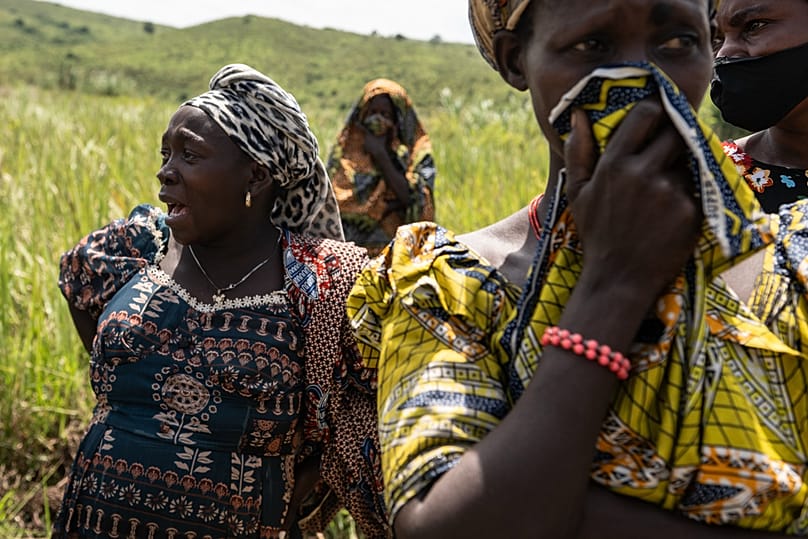
Tracing and isolating Ebola contacts is seen as key to stopping the spread of the disease, which usually manifests as haemorrhagic fever.
The virus is spread through close contact with sick or deceased patients’ bodily fluids. Experts say healthcare workers and family members caring for patients face the highest risk.
The border between Uganda and Congo is 765 kilometres long and crossed by numerous footpaths beyond formal border posts, as many people traverse the region daily to visit families or to trade.