




























Trump’s calling of arms sales to Taiwan a “bargaining chip” has raised concerns on the self-governing island of a potential change in US foreign policy towards the territory after the US president’s latest visit to China.
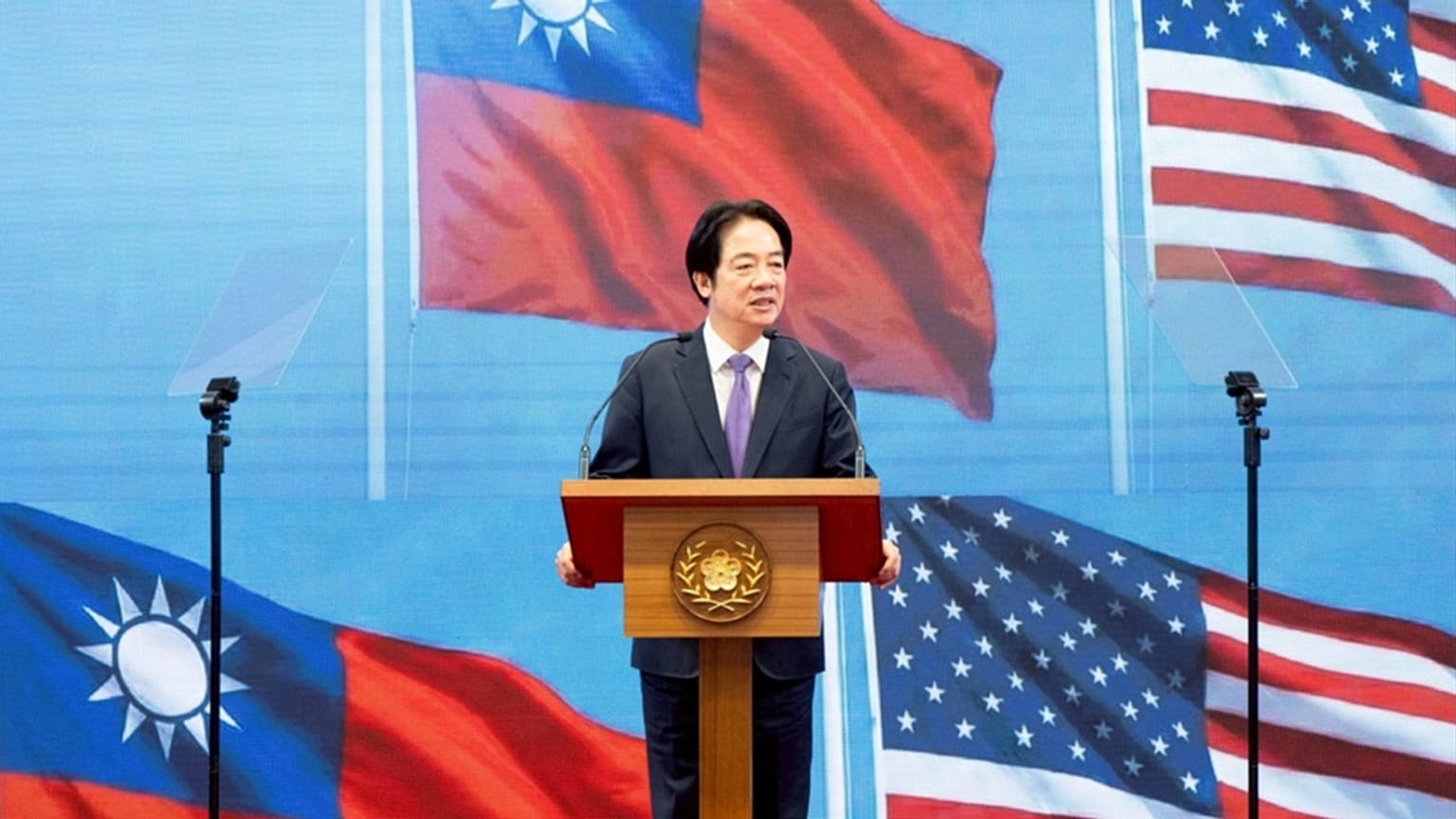
Taiwan’s President Lai Ching-te stressed on Sunday that arms purchases from the United States are “the most important deterrent” of regional conflict and instability, after US President Donald Trump called into question continued support of Taiwan following his recent visit to China.
 ADVERTISEMENT
ADVERTISEMENT
ADVERTISEMENT
Trump already approved in December a record-breaking $11 billion (€9.5 billion) arms package to Taiwan including missiles, drones, artillery systems and military software.
In an interview with US broadcaster Fox News which aired on Friday, just as Trump wrapped up a high-stakes visit to China to meet with his counterpart Xi Jinping, he said he has yet to greenlight a new $14 billion (€12 billion) arms package to Taiwan and that it “depends on China.”
“It’s a very good negotiating chip for us frankly,” said Trump.
The Republican president’s comments raised concerns on the island, which the Taiwanese government has sought to disperse, noting that the US official policy on Taiwan has not changed.
US arms sales to Taiwan and security cooperation between the two sides are not only governed by law but also a catalyst for regional peace and stability, said President Lai Ching-te in a statement.
“We thank President Trump for his continued support for peace and stability across the Taiwan Strait since his first term, including the continuous increase in the scale and amount of arms sales to Taiwan,” he said.
His statement came just days after Trump raised doubts over his willingness to continue to sell arms to Taiwan, the island democracy that China claims as its own breakaway province, to be retaken by force if necessary.
“Taiwan will not provoke or escalate conflict, but it will also not relinquish its national sovereignty and dignity, or its democratic and free way of life, under pressure,” Lai said, calling China “the root cause of undermining regional peace and stability and attempting to change the status quo.”
US House Speaker Mike Johnson praised Lai's statement, saying “I thought that was a reasonable thing for the leader there to say.”
“China cannot just go take over land, and we’re going to stand strong and resolute by that. I know the Congress will,” added Johnson.
China has framed Taiwan as “the most important issue in China-US relations” during Chinese President Xi Jinping’s recent talks with Trump in Beijing. In one of his strongest statements to date, Xi on Thursday warned Trump of “clashes and even conflicts” if the issue of Taiwan was not handled properly.
China and Taiwan have been governed separately since 1949, when the Communist Party rose to power in Beijing following a civil war. Defeated Nationalist Party forces fled to Taiwan, which later transitioned from martial law to a multi-party democratic system.
The US, like all countries that have formal ties with China, does not recognise Taiwan as a country but has been the island’s strongest backer and arms supplier.
Washington is bound by its own laws to provide Taiwan with the means to defend itself and sees all threats to the island as a matter of grave concern.