

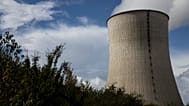





























The issue of uranium enrichment has been central to Western relations with Iran for more than two decades, with the US and its allies accusing Tehran of seeking atomic weapons.
The head of Iran's nuclear energy agency ruled out any restrictions on the country's enrichment of uranium on Thursday, saying the demand by the United States and Israel "will not come true."
 ADVERTISEMENT
ADVERTISEMENT
ADVERTISEMENT
"The claims and demands of our enemies to restrict Iran's enrichment programme are merely wishes that will be buried," Mohammad Eslami was quoted as saying by Iran's ISNA news agency.
His remarks came with talks set to take place at the end of the week between Iran and the United States under Pakistani mediation.
"All the conspiracies and actions of our enemies, including this brutal war, have yielded no results. Now they seek to achieve something through negotiations," Eslami said.

The issue of uranium enrichment has been central to Western relations with Iran for more than two decades, with the US and its allies accusing Tehran of seeking atomic weapons, while Iran has always insisted its programme is for civilian purposes only.
US President Donald Trump has insisted "there will be no enrichment of uranium" by Iran after the war.
He argued before the current war that Iran was rushing to build atomic weapons, an assertion not backed by the UN's nuclear watchdog.
The US-Israeli strikes on 28 February that began the war took place with Washington and Tehran engaged in negotiations that included Iran's nuclear programme.
During last June's 12-day conflict, Israel and the United States hit Iran's nuclear programme, claiming to have obliterated its ability to enrich uranium.
Nevertheless, the whereabouts of several hundred kilograms of highly enriched uranium remains unknown following the bombing.
It is thought to be buried under the rubble of a bombed location, with Trump suggesting in a social media post that Iran and the US could work together to "dig up and remove all of the deeply buried" nuclear material.
Before last year's conflict, Iran had been enriching uranium to 60%, well above the 3.67% limit allowed by a now-defunct 2015 nuclear agreement and close to the 90% needed to make a bomb, according to the International Atomic Energy Agency.