















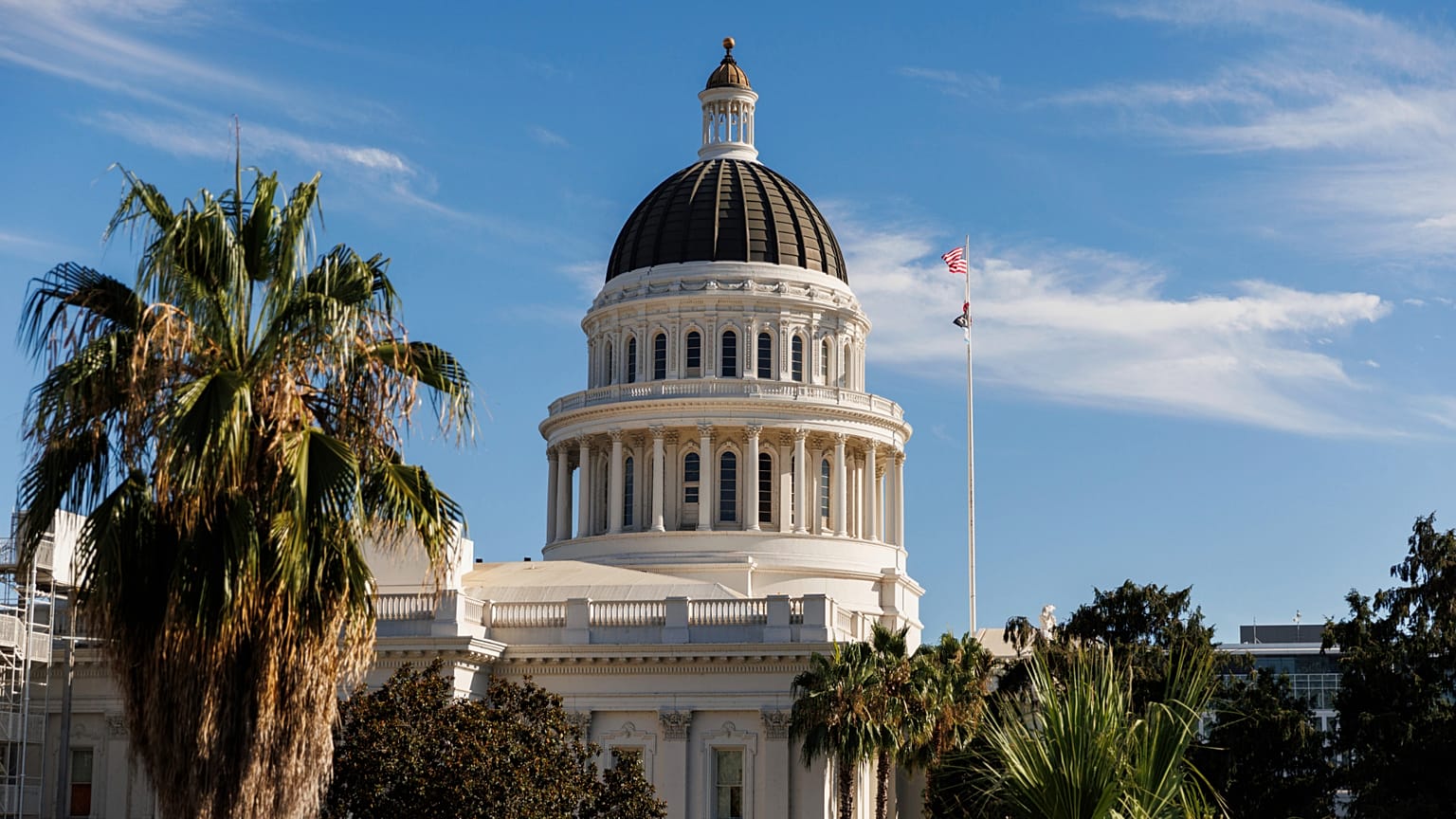













Two months before a crucial primary in one of the most liberal states in the US, Democrats are facing a self-made political catastrophe. Too many candidates for governor are fragmenting the party's electorate and could make a Republican the successor of Gavin Newsom.
With US President Donald Trump’s approval number deep under water, Democrats are hoping for a massive electoral shift in their favour come the midterms in November.
 ADVERTISEMENT
ADVERTISEMENT
ADVERTISEMENT
Yet in heavily liberal California, the party could suffer a political nightmare of their own making and hand the governorship to a Republican.
How is that possible in a state, where Democrats routinely carry huge majorities in a year in which some Republicans are fearing a national drubbing?
Here’s what is happening: In California, there is a top-two “jungle primary” system in which all candidates are listed on the same ballot.
The top two vote-getters move on to the general election, regardless of their party affiliation, meaning there is the potential for two candidates from the same party to face off in November.
Conventional political wisdom would expect another Democrat to succeed outgoing term-limited governor Gavin Newsom, but this year could be stunningly different.
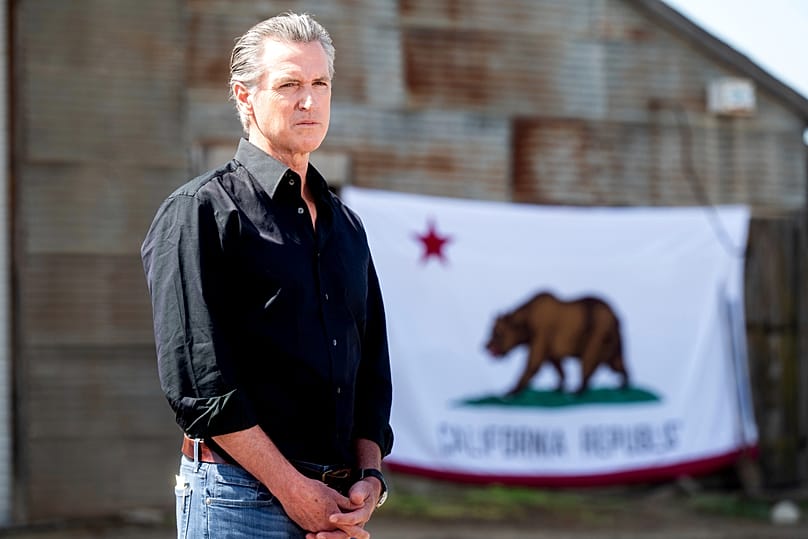
Polls are consistently showing two Republican candidates in the lead, followed by 8 (!) Democratic candidates who seem to be splitting the Democratic vote as the June 2 primary fast approaches.
Sensing a political catastrophe, the Democratic Party pleaded with low-polling candidates to stay out of the race and consolidate the field behind one or two viable candidates before April 15th.
In an open letter in early March, California Democratic Party chair Rusty Hicks called on the candidates to “honestly assess the viability of their candidacy and campaign”.
He painted a bleak picture with serious consequences beyond California should no Democrat proceed to the general election for governor.
“There could be the potential for depressed Democratic turnout in California in November,” he wrote.
“The result would present a real risk to winning the congressional seats required and imperil Democrats’ chances to retake the House, cut Donald Trump’s term in half, and spare our Nation from the pain many have endured since January 2025. We simply can’t let that happen,” Hicks added.
The situation seems to be mostly due to California’s left-leaning electorate feeling uninspired by any single candidate in the crowded Democratic field after former Vice President Kamala Harris, a California native, decided not to seek the governorship.
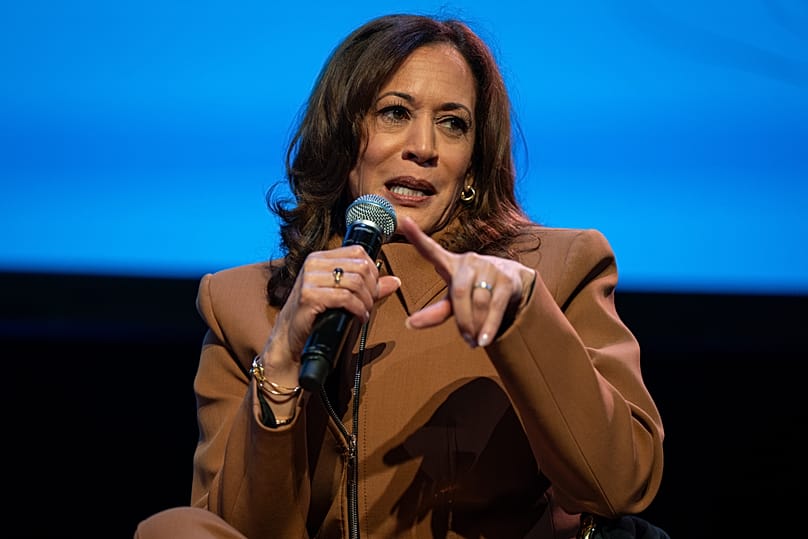
“Kamala has the highest name recognition by far,” Philip Bednarczyk told Euronews, a former adviser on the US House of Representatives’ Foreign Affairs Committee who now heads the office of the German Marshall Fund in Warsaw.
“But she declined probably because she is waiting for the big election in 2028,” he added, referring to the presidential race to determine Trump’s successor.
Harris not running and Newsom not endorsing a Democratic candidate yet have thrown the race into the unknown.
“An endorsement by Newsom would help a Democratic candidate to break through and change the situation completely,” Bednarczyk said. “But here we are.”
According to the latest poll by UC Berkeley/LA Times, the two Republican candidates, conservative British-born commentator Steve Hilton and Riverside County Sheriff Chad Bianco, were in the lead with 17% and 16% respectively - quite eye-popping in a state where Donald Trump is under water by 30 points (32% approval vs. 62% disapproval).
Slightly behind were three Democrats, Congressman Eric Swalwell (13%), former Congresswoman Katie Porter (13%) and billionaire climate activist Tom Steyer (10%).
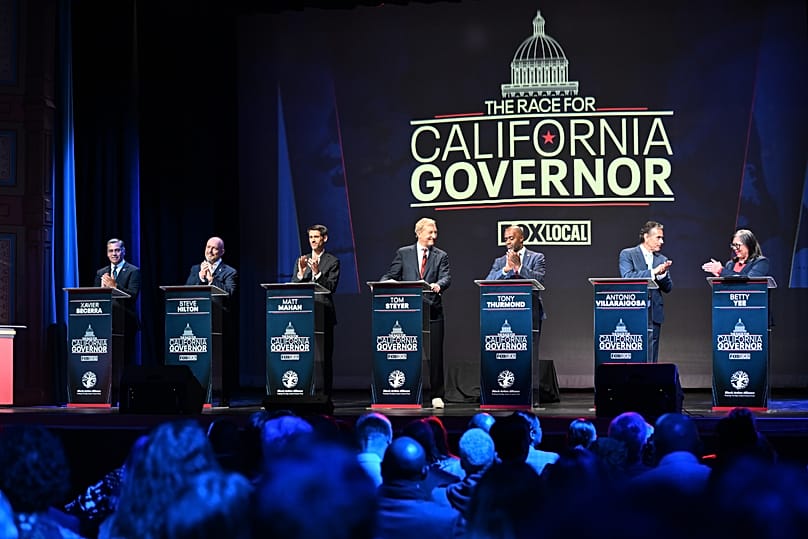
The remaining Democratic candidates polled in the single digits, among them some prominent names like former US Health Secretary Xavier Becerra or former Los Angeles Mayor Antonio Villagairosa.
The splintered support for the Democrats hoping to become the state’s next governor has surfaced in other ways as well.
Recently, the powerful California Federation of Labor voted to endorse four gubernatorial candidates - half the Democratic field!
Yet, most observers believe that the odds that a Republican will become California’s next governor appear slim, as Republicans only represent one fourth of registered voters in the Golden State.
“I’d say the possibility is low, but not insignificant,” said Bednarczyk.
No Republican has won a statewide election in the Golden State since 2006, the year Hollywood movie star Arnold Schwarzenegger was elected to a second term as governor.
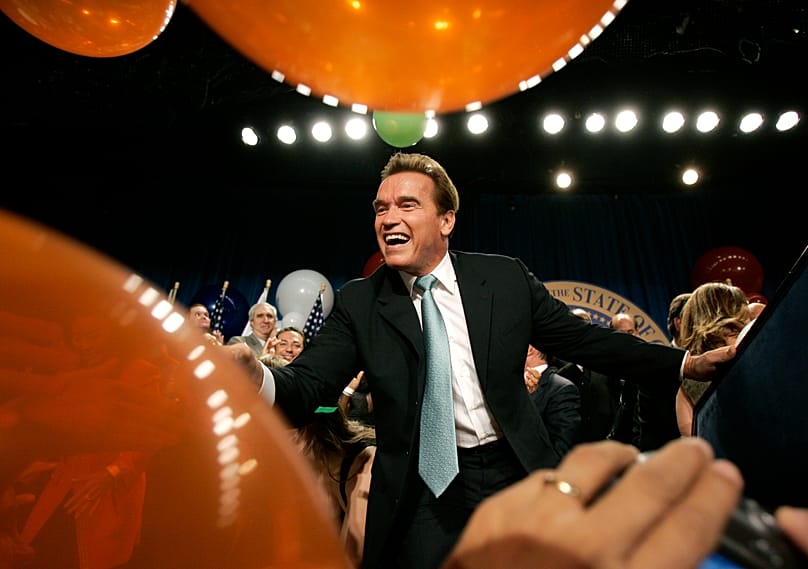
Schwarzenegger, who was first elected in 2003 and left office in 2011, was also the last Republican in that office so far.
Today, it’s hard to believe that between 1967 and 2011, there were only twelve years in which there was not a Republican governor.
And only the elderly remember that a certain Ronald Reagan used his governorship (1967-75) as a stepping-stone for his successful presidential campaigns in the 1980s.
In short, for much of the last century, California Republicans remained highly competitive.
But then, a mix of demographic, economic and political changes helped accelerate California’s transition from a swing state into a solidly Democratic stronghold while the national Republican Party became much more conservative.
The most crucial turning point came in the 1990s when then-Republican governor Pete Wilson backed “Proposition 187”, which sought to deny public services to undocumented immigrants.
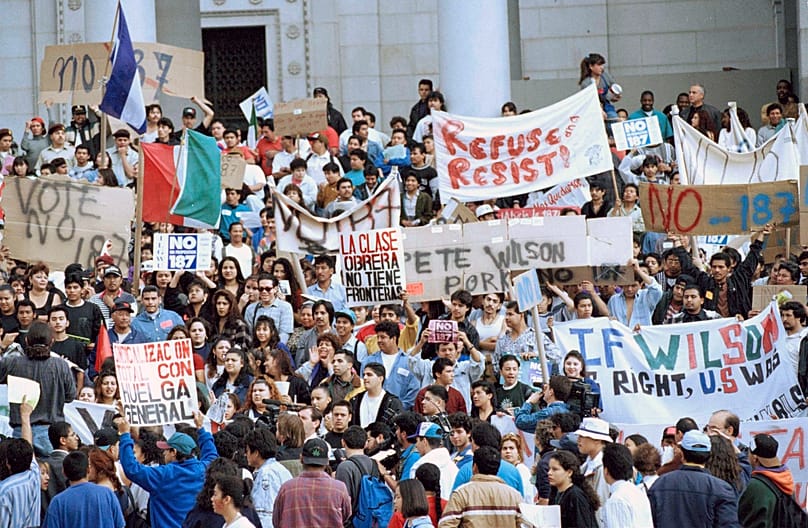
The measure passed, but triggered a long-term backlash. It accelerated Latino naturalization and voter registration and cemented a perception of Republicans as anti-Latino and anti-immigrant.
To this day, this steadily expanded the Democratic base - and indeed, California has become a majority-minority state where large Latino, Asian American and other immigrant populations together outnumber whites.
The fact that the state became structurally Democratic simultaneously set in motion a downward spiral for Republicans: losing led to more losing.
It meant less fundraising and visibility, which meant fewer Republicans winning, which led to a weaker bench of candidates – which brings us to the 2026 gubernatorial election and its central paradox.
In order to get the nomination, both Republicans candidates, Steve Hilton and Chad Bianco, have appealed to the MAGA ("Make America Great Again") faithful and tried to curry favour with President Trump, playing to an increasingly ideological Republican base.
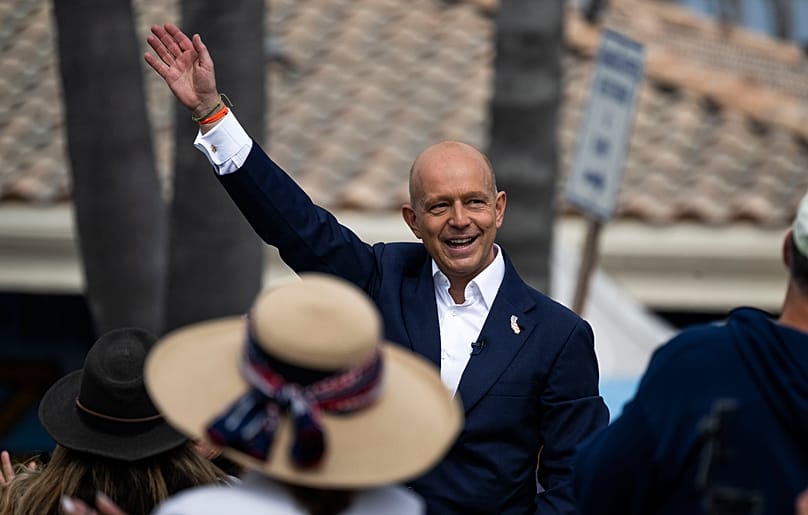
Especially Hilton (“Make California Golden Again”), once a top aide to conservative ex-Prime Minister David Cameron, keeps stressing his renouncing British citizenship and becoming American – a Trumpian American.
“I don’t want this state that I love to become the country I left,” Hilton said at a recent campaign event, catering to the anti-Europe sentiment among pro-Trump hardliners.
Sheriff Bianco recently made headlines by seizing more than 650,000 ballots cast in the 2025 election to determine, he said, whether they were fraudulently counted – a claim that local election officials have refuted but won praise among MAGA election deniers.
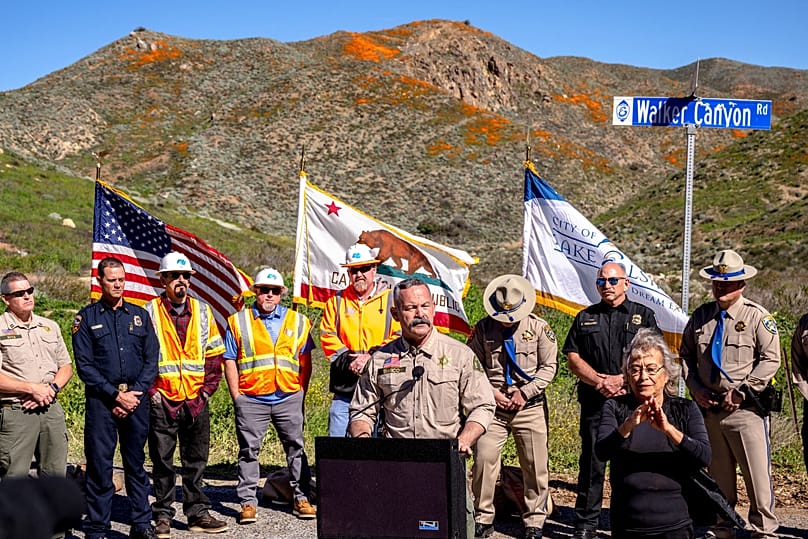
The unusual investigation drew a sharp rebuke from California’s attorney general, a Democrat, who said in a statement that it is “unprecedented in both scope and scale” and appears “not to be based on facts or evidence.”
After mounting legal challenges, on Tuesday Bianco retracted and paused the election probe.
“It’s amazing that Hilton and Bianco combined are polling much lower than Donald Trump's score in 2024 and are still leading the field of gubernatorial candidates,” said Bednarczyk.
Until now, the California primary did not get much national attention. But that might change, if the current polling trend continues.