



























Two countries dominate the top 10 lists for Europe's most and least polluted cities.
Finnish people breathe some of the cleanest air in Europe, a new report reveals, The country is home to the most cities with safe levels of air pollution.
 ADVERTISEMENT
ADVERTISEMENT
ADVERTISEMENT
Still, the country as a whole failed to meet World Health Organization guidelines for safe levels of PM2.5 or fine particulate matter.
Only three European countries fell within these air pollution guidelines in 2025, according to IQAir’s 2025 World Air Quality Report. These were Estonia, Iceland and Andorra.
While some regions globally lack access to real-time air quality data, Europe is one of the most comprehensively monitored regions in the world.
The report analysed 2,303 cities – 163 more than in 2024 – across 43 European countries. Of these, 1,182 recorded a rise in annual average PM2.5 concentrations, while 886 cities reported decreases. Just 104 European cities fell within the World Health Organization’s safe limit for fine particulate matter.
Finland led the pack, with 25 cities below the guideline, followed by Sweden with 15 and Spain with 12.
The report's definition of 'city' encompasses both metropolitan areas and specific urban centres with air quality sensors that maintain consistent data collection over the course of the year.
Where are Europe’s most polluted cities?
Eight countries – Bosnia and Herzegovina, North Macedonia, Serbia, Turkey, Moldova, Romania, Montenegro and Poland – reported PM2.5 concentrations above 15 micrograms per cubic metre (µg/m³), making them the most polluted in Europe. This is far above the WHO’s safe level of 5µg/m³.
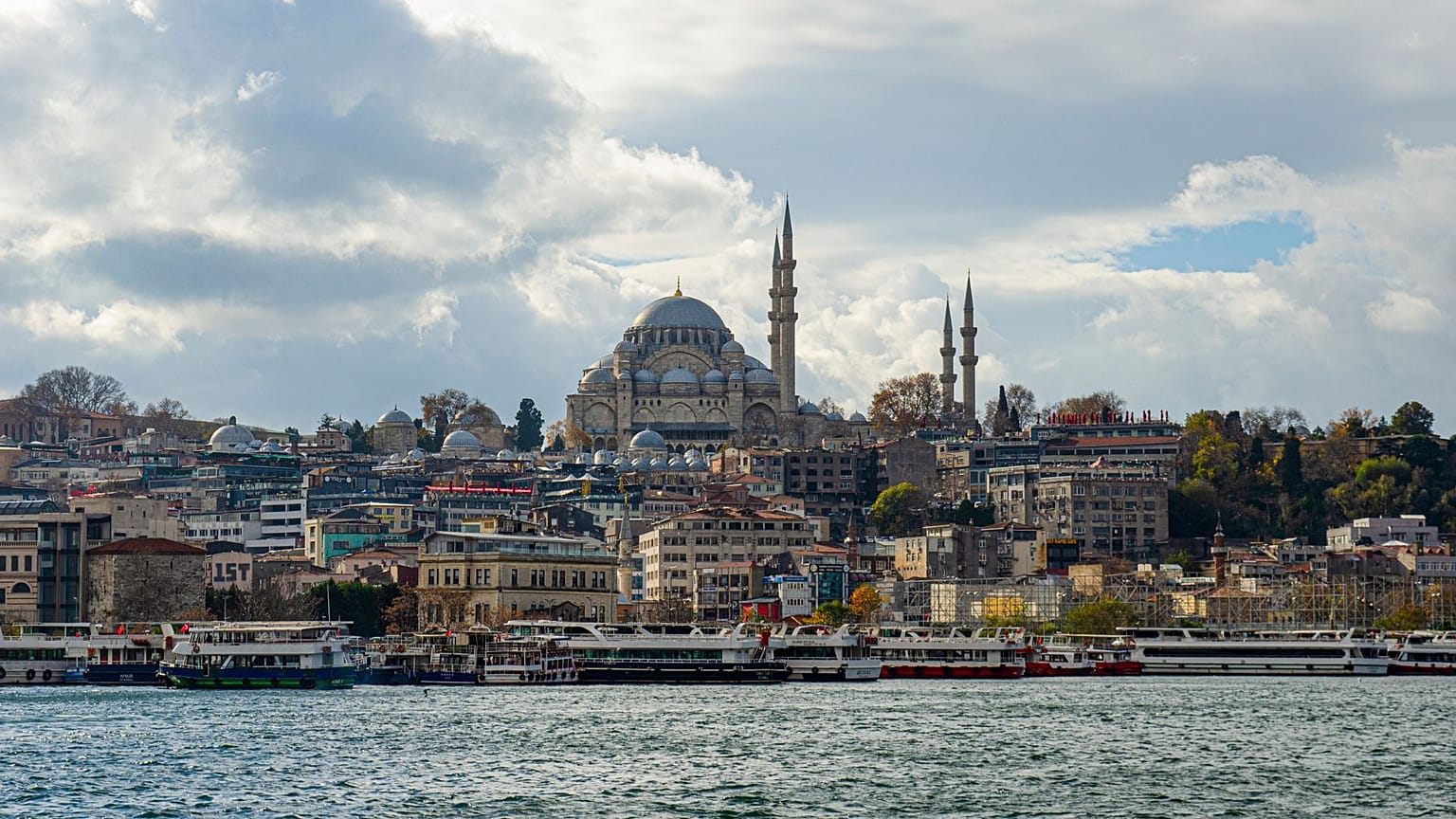
Yet Türkiye is home to many of the most polluted cities in the region (the country was included in the wider European region within the report). This is due to a combination of heavy reliance on fossil fuels, dense traffic, industrial emissions, and pollutant-trapping meteorological conditions.
Iğdir earned the unenviable top spot, with PM2.5 levels averaging 64.4µg/m³ in 2025. Buca, also in Türkiye, came second with 51.5 µg/m³. The country featured three other cities in the top 10: Gödekli (fourth place), Konya (sixth place) and Duzce (eighth place).
Novi Pazar in Serbia came in third place with PM2.5 levels of 34.1µg/m³. All in Bosnia Herzegovina, Prijedor was in fifth place, while Gorazde was in seventh and Gracanica in ninth. Rounding out the top 10 was Cacak in Serbia.
Many of these cities share common pollution sources: coal-fired power plants, household heating with low-quality coal and wood burned in inefficient stoves, and heavy traffic. These problems are made worse by geography and meteorological conditions that trap pollutants close to the ground.
Where are Europe’s least polluted cities?
On the other end of the spectrum, Finland took half of the top 10 spots for the least polluted cities. The island of Utö was in first place with PM2.5 levels of just 1.3µg/m³, Muonio was in second place, Kittilä in third, Ranua in fifth, and Nivala in tenth.
While favourable geography and low population density contribute to this success, Finland’s strict emissions controls and high use of renewable energy (more than 54 per cent) are major factors.
Sandgerði in Iceland came in fourth place with levels of 2.2µg/m³, Bredkälen in Sweden was in sixth place, Faro, Portugal, was in eighth place, and Alftanes in Iceland came ninth.
How to protect yourself from PM2.5
PM2.5 are so small that they can be inhaled into the lungs and can enter the bloodstream. They have been linked to health risks such as respiratory issues, cardiovascular diseases, and long-term illnesses like cancer.
If you live in a highly polluted area, you can protect yourself by monitoring pollution levels in real time through apps like IQAir and AirVisual. When levels spike, it is advisable to stay inside, keeping doors and windows closed.
HVAC (heating, ventilation and air conditioning) systems should be set to recirculate mode. Air purifiers can also help to filter particles, gases and other pollutants.
If you need to go outdoors, you should wear a KN95 mask, which can filter tiny airborne particles, including viruses and dust.


