















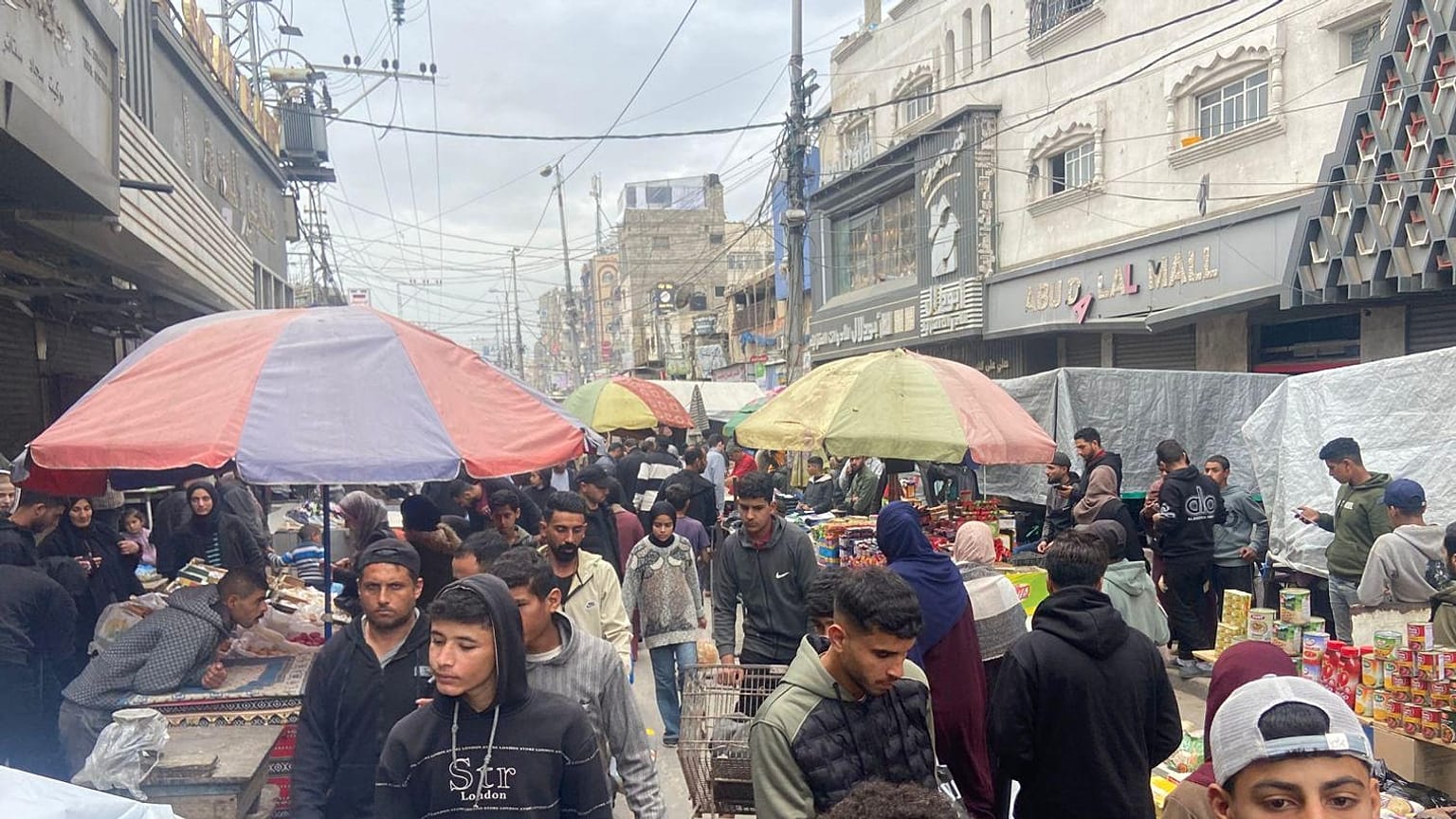














A shortage of small shekel notes in the Strip is paralysing daily trade, forcing residents to accept unwanted goods as change and pay steep cash commissions, Gazans tell Euronews.
Having endured significant devastation during the years-long Israel-Hamas war, Gaza and its residents, struggling to make ends meet, are facing an unexpected hurdle: a shortage of small-denomination banknotes.
 ADVERTISEMENT
ADVERTISEMENT
ADVERTISEMENT
Vendors across the Strip refuse to complete sales without exact change, instead offering customers items such as sweets, matches or spices to make up the difference.
Fadel Bashiti cannot buy bread in Nuseirat market in central Gaza despite having money. "I need 3 shekels, but I have a big piece of paper, and there is no one to break it," he told Euronews.
Rashida Tawfiq said attempts to buy goods have become a daily struggle. "Once it's old, once it's damaged, and once there's no change," she said, describing how sellers reject banknotes. Many people leave markets empty-handed or accept goods they do not need to avoid losing money.
Salma Ziad, from Deir al-Balah, said she no longer leaves home without small bills. "If I don't have change, how can I move around?" she told Euronews. The crisis now affects her ability to travel and work.
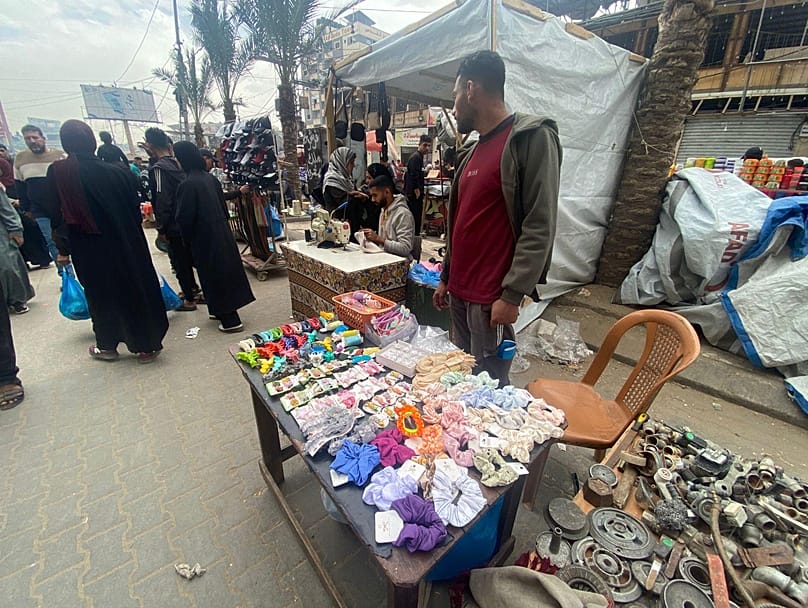
Some taxi drivers refuse passengers without exact change because they cannot give back the difference. Fares between Khan Younis and Gaza have risen from approximately 6 shekels (€1.65) before the Israel-Hamas war to between 20 and 25 shekels (€5.50-€7).
More than 60% of vehicles have been destroyed along with transport infrastructure. Imported petrol prices have surged.
'Everyone wants the blue shekel'
The Israeli new shekel has become the dominant currency in Gaza, with the dollar and dinar in decline. The blue 200-shekel note, worth some €55, now dominates transactions.
Bank of Israel data shows this banknote accounts for approximately 80% of the total cash value in circulation.
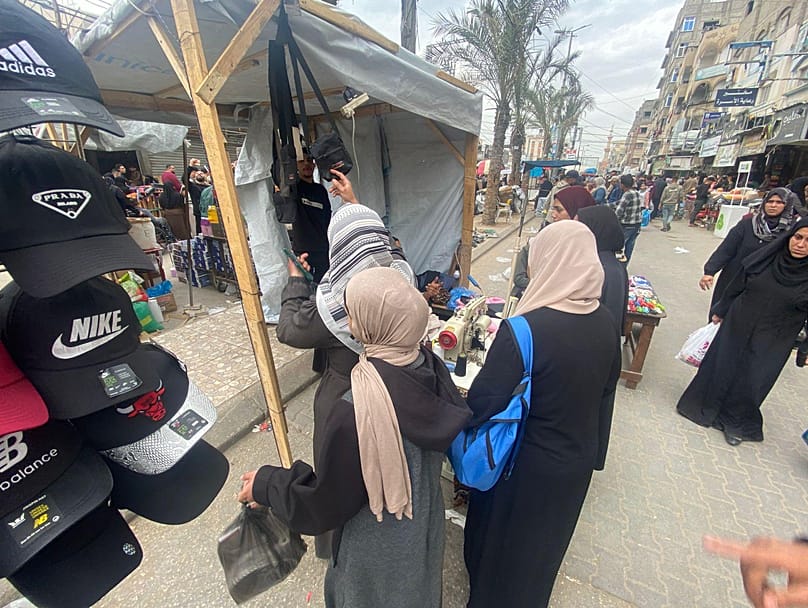
Hamdan Ahmed, a cash-exchange worker at Nuseirat market, said those holding 200-shekel notes effectively control the market. "Sellers prefer it over others, while other denominations are rejected or accepted with conditions," he said.
A system known as "takiesh" has emerged as the main way to obtain cash, with bank balances converted into physical currency for steep commissions.
Salah Abdulmuti, who operates in Deir al-Balah, said commissions for converting new 200-shekel notes can reach 40%. "Everyone wants the blue shekel," he said. Older notes command lower fees.
Mohammed Barbakh, an economist, said shekel liquidity in Gaza has fallen by more than 45% since the war began. Cash has been withdrawn from circulation, new supplies blocked and existing notes destroyed.
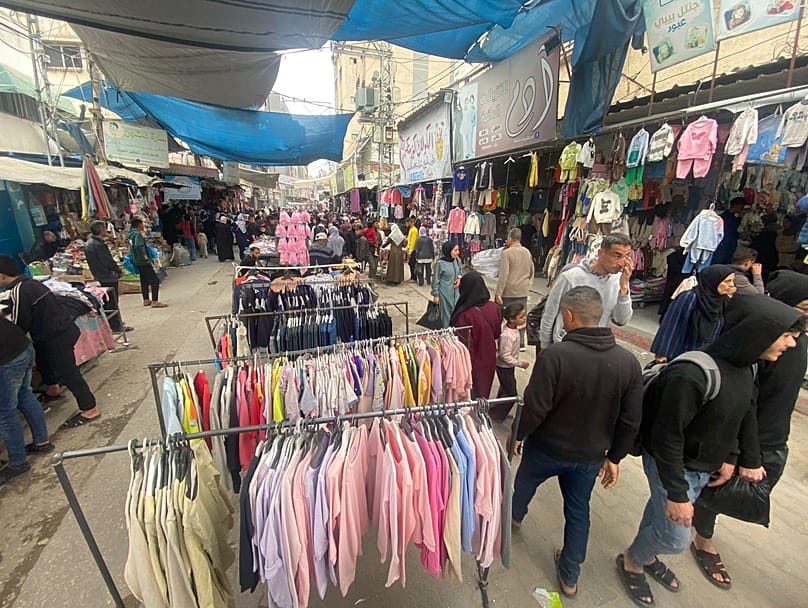
Millions missing
The Palestinian Monetary Authority said approximately 1.2 billion shekels (€331m) are missing from Gaza's banking system. Most bank branches remain closed and infrastructure has been destroyed.
Barbakh said shekels remain the only currency used for daily purchases despite the shortage. He warned that the situation is pushing commerce into unregulated channels and fuelling inflation.
Some residents have turned to banking apps, digital wallets or recording debts on paper until change becomes available, but these options remain limited.
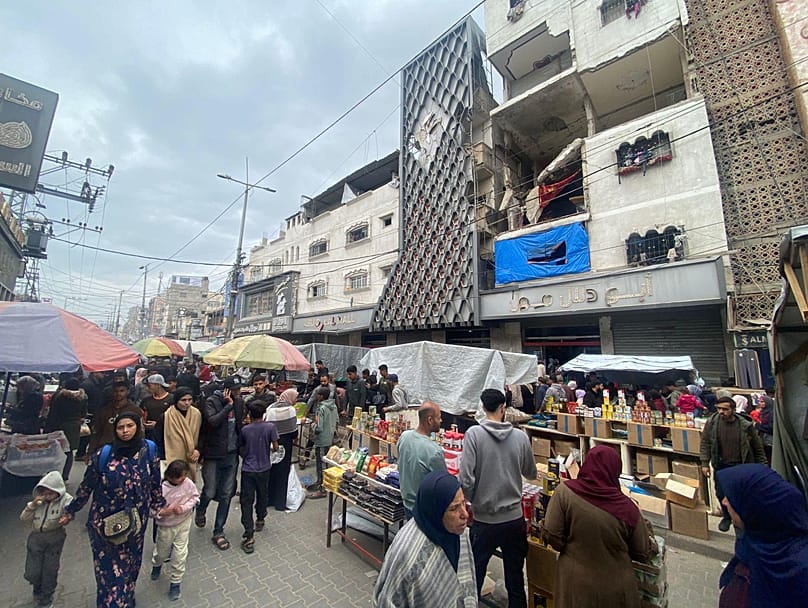
Ahmed al-Hasanat, a stall owner, said electronic payments are not viable for many. "There are people who don't have mobile phones, don't have internet access, and don't know how to use apps," he said.
The United Nations Development Programme (UNDP) estimates Gaza's economy has lost more than 80% of its capacity since the Israel-Hamas war began on 7 October 2023.