
















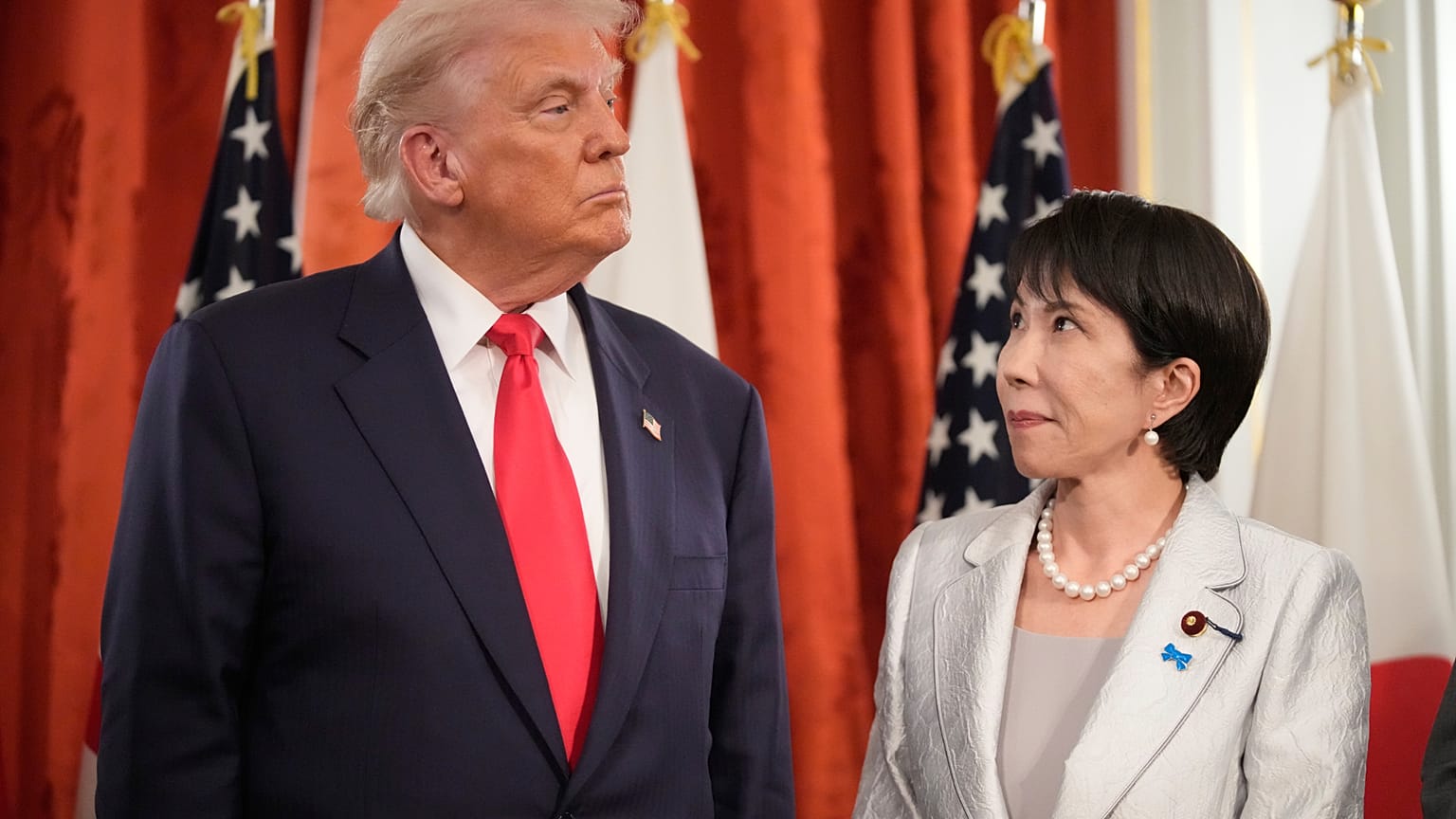













Japan's Prime Minister Sanae Takaichi meets US President Donald Trump this Thursday in Washington. A long-planned visit upended by the Iran war. It's a tricky moment for the Japanese leader who needs to balance Trump's unpredictability with Tokyo's security needs.
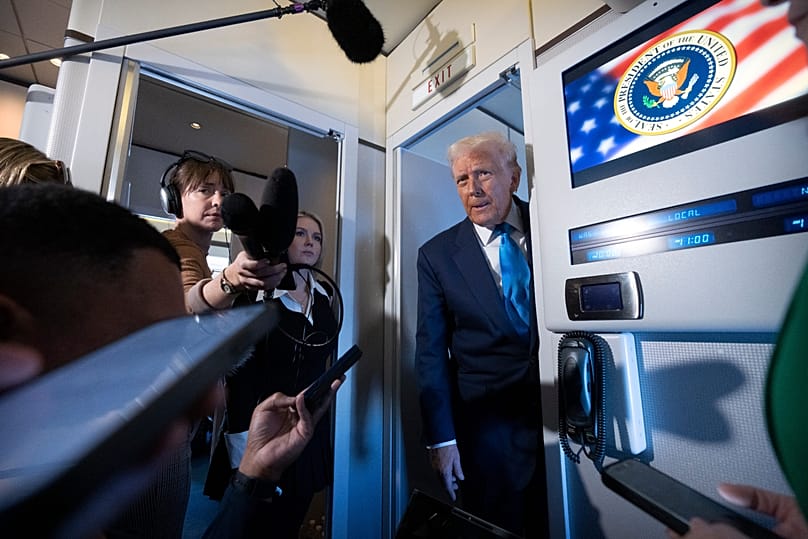
When Japanese Prime Minister Sanae Takaichi meets Donald Trump at the White House on Thursday, she will be the first G7 leader to visit since the backlash over Washington’s push for allies to help secure the Strait of Hormuz.
 ADVERTISEMENT
ADVERTISEMENT
ADVERTISEMENT
Last weekend, Trump had asked Tokyo and other capitals to participate in his war effort and send naval vessels to unblock the critical waterway.
After the allies rebuffed him, he aborted his call: “Because of the fact that we have had such Military Success, we no longer ‘need’, or desire, the NATO Countries’ assistance – WE NEVER DID! Likewise, Japan, Australia, or South Korea,” Trump wrote on his social media account.
Asked Wednesday in Parliament about Trump’s comment, Takaichi said she intends to engage in “in-depth discussions” with the president on the situation in Iran and across the globe.
“The situation is changing day by day. The messages coming from the US side online are also changing,” she said.
Committing Japanese naval forces to the area would face high constitutional and legal hurdles and would put Takaichi’s government in a difficult position.
So far, the Prime Minister, just recently re-elected in a landslide, has kept her cards close to her chest.
While Japan’s pacifist Constitution wouldn’t bar it from helping with mine clearance around the Strait of Hormuz “at the conclusion of the war”, Tokyo has no plans to deploy mine sweepers to the region – for now, she said last week.
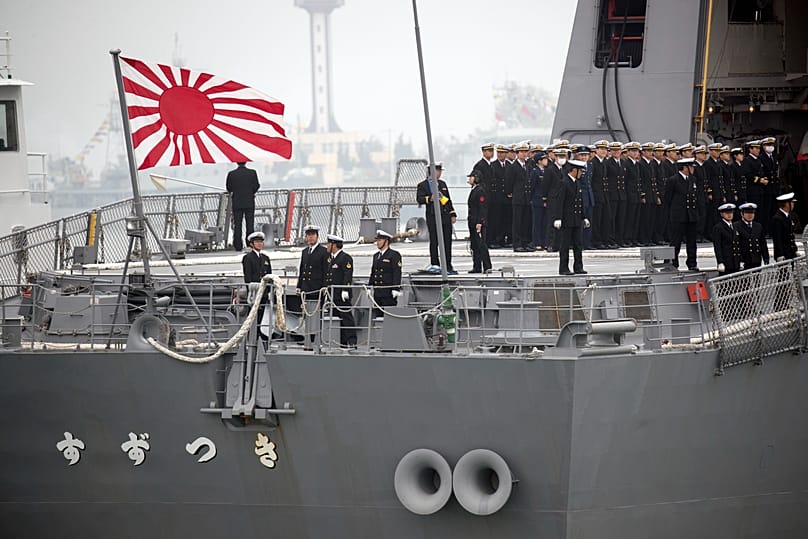
Back in 1991, Tokyo had agreed to such a move when Japan sent six minesweepers to the Persian Gulf, more than six months after the US military wrapped up its operation “Desert Storm” that concluded the first Gulf War.
Today, the Iran war has shot to the top of the Trump-Takaichi summit’s agenda as Japan grapples with soaring energy prices amid the ongoing conflict.
Japan is the fifth largest importer of oil in thew world, 95% of that comes from the Middle East.
And prices are spiking as supplies are stuck in the Strait of Hormuz, with the weakness of the Yen increasing the import bill further.
Takaichi is realizing that a war in which her country has no part in is driving up the cost of living and creating a domestic political headache - a war that leaves Japanese officials effectively scrambling for a response that would keep the country in Trump’s good graces without alienating the peace-loving Japanese public.
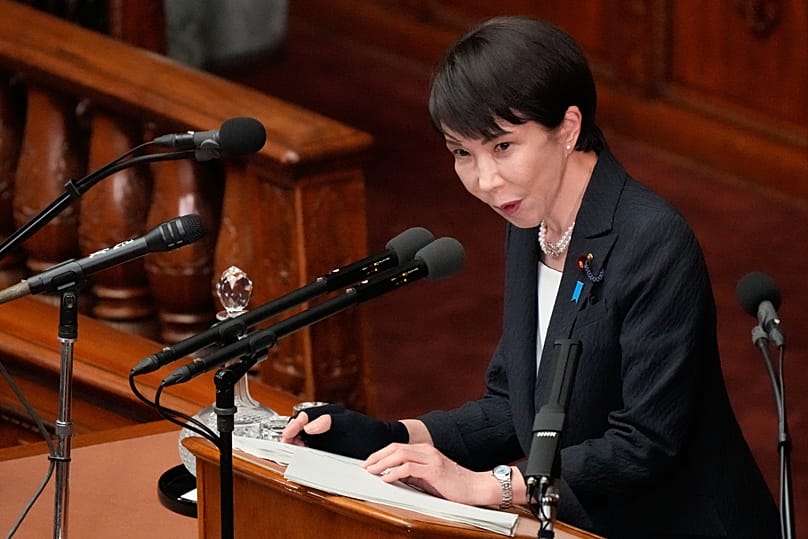
Sitting opposite Trump on Thursday, Takaichi will especially want reassurance about Washington’s security umbrella, the cornerstone of Japanese foreign and security policy in the post Word War II era.
“The international situation is changing very quickly, and it is important for us to secure the commitment of the United States,” a top official at the Ministry of Foreign Affairs told Euronews.
Indeed, Japan’s entire strategic thinking is based on stabilizing East Asia, deterring China and keeping the shipping lanes in the South China Sea open, which can only be achieved together with an engaged and committed Washington.
Trump’s sudden focus on the western hemisphere (Venezuela, maybe Cuba) and the Middle East (Iran) is therefore highly irritating for Japanese leaders.
And his repeated criticism of Europe for not defending certain cultural values and “Christianity” enough, has also sparked consternation in Japan.
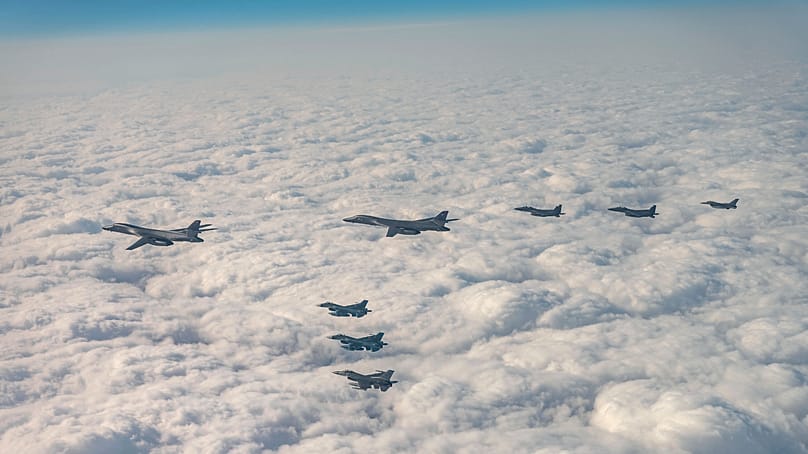
Last week, when the Trump administration hastily ordered the redeployment of US missiles from South Korea to the Middle East, it left not only Seoul rattled, but also Tokyo.
In both allied capitals, questions arose as to Trump’s commitment to the region.
“Is Trump still interested in deterring North Korea? Will he take action in case Beijing moves against Taiwan?,” asked Kazuto Suzuki, Director of the Institute of Geoeconomics at the International House of Japan, a Tokyo-based think tank.
“During Trump’s first term, he was very nice to Japan,” Suzuki told Euronews. “And we need to do everything to keep it that way.”
Unlike Europe which, at least in theory, can solve its security problems without the US, Japan doesn’t have a choice, he added. “We don’t have a Plan B.”
And so, unlike European leaders who clashed repeatedly with Trump over trade, Ukraine, Greenland and other issues, the Japanese would put on a poker face and not do or say anything to anger the man in the White House.
“Our strategy is: keep talking, keep smiling, move on, never say yes or no,” said Yoko Iwama, professor at the National Graduate Institute for Policy Studies in Tokyo in an interview with Euronews.
“Psychologically, dealing with the Americans has always been difficult for Japan. Americans are Americans, they always get what they want, we’re used to it.”
One thing that Trump wants his allies in Japan and in Europe to do is to do more.
And here, Takaichi will want to use the good rapport she struck up with the US president at a meeting in October to emphasize Japan’s considerable new commitments: accelerating a target to reach 2% of GDP on military spending, a pledge to develop aerial defenses as part of Trump’s ‘Golden Dome’ missile defense plan, and an agreement to invest $550 billion in the US in return for lowering tariff from 25% to 15% last year.
Whether Trump will give Takaichi any credit for this, is anybody’s guess.
For now, Tokyo is balancing the value of Trump’s distraction in Iran with his unpredictability.
“Our best hope is for a swift ending of the Iran war,” Hajime Funada, a leading member of Parliament of Takaichi’s ruling Liberal Democratic Party (LDP) told Euronews.
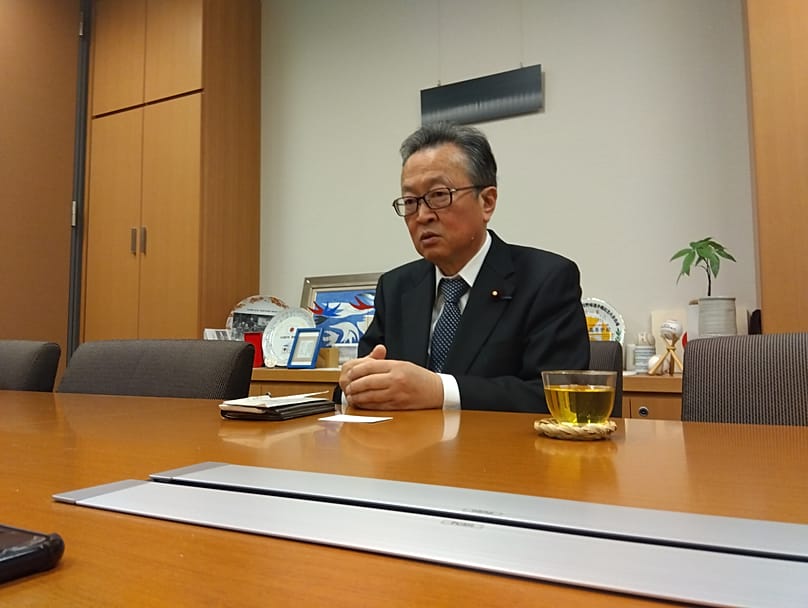
Funada is chairman of the parliamentary delegation dealing with the European Union.
He has been advocating closer Japan-EU ties for a long time and now is seeing a particular need for it.
“Given the current crisis, the relations between the EU and Japan need to become stronger – and they will,” Funada told Euronews, stressing that maintaining the international order are key common objectives.
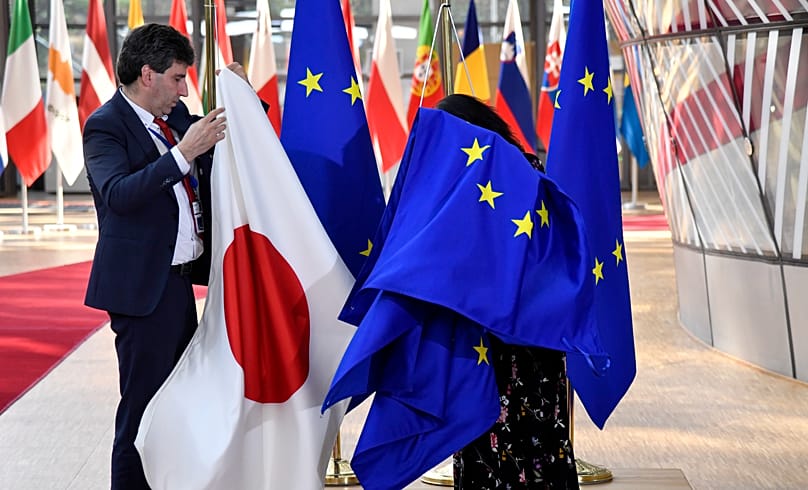
Already, relations between Europe and Japan are currently at an all-time high, evolving from a traditional trade-focused partnership into a broad strategic alliance.
This shift is anchored by two major 2019 agreements: the Strategic Partnership Agreement (SPA) and the Economic Partnership Agreement (EPA), which together created one of the world’s largest economic zones.
In addition, Brussels and Tokyo launched the EU-Japan Security and Defense Partnership in 2024, the first of its kind between the EU and an Asia-Pacific country, formalising deeper military and intelligence cooperation.
“Europe is getting more important for us,” said Michito Tsuruoka, professor at the Keio Center for Strategy at Keio University in Tokyo. “We need stability and for that we need Europe”, particularly in the Asia-Pacific region.
In terms of maritime security, he concedes that Europe cannot change the balance of power in the Pacific. But Europe should engage in “strategic messaging”, reminding the Chinese that people are watching.
So, why not dispatching European vessels to the South China Sea to underline Europe’s serious interest in the region? “Seeing is believing,” Tsuruoka said.
On economic security, Europe and Japan cooperate by strengthening supply chain resilience, securing critical technologies like semiconductors and raw materials, and setting international standards to counter external shocks and economic coercion.
But more should be done with like-minded partners, especially in Europe, according to Akira Igata, political scientist at the University of Tokyo, where he leads the Economic Security Intelligence Lab.
The strategic objective is joint resilience that is credible to coercive actors, workable for companies, and compatible with democratic governance.
The Trump administration has created gaps in the international rules-based order that need to be filled. No easy task.
“But Japan and Europe can do it,” Igata said.