

















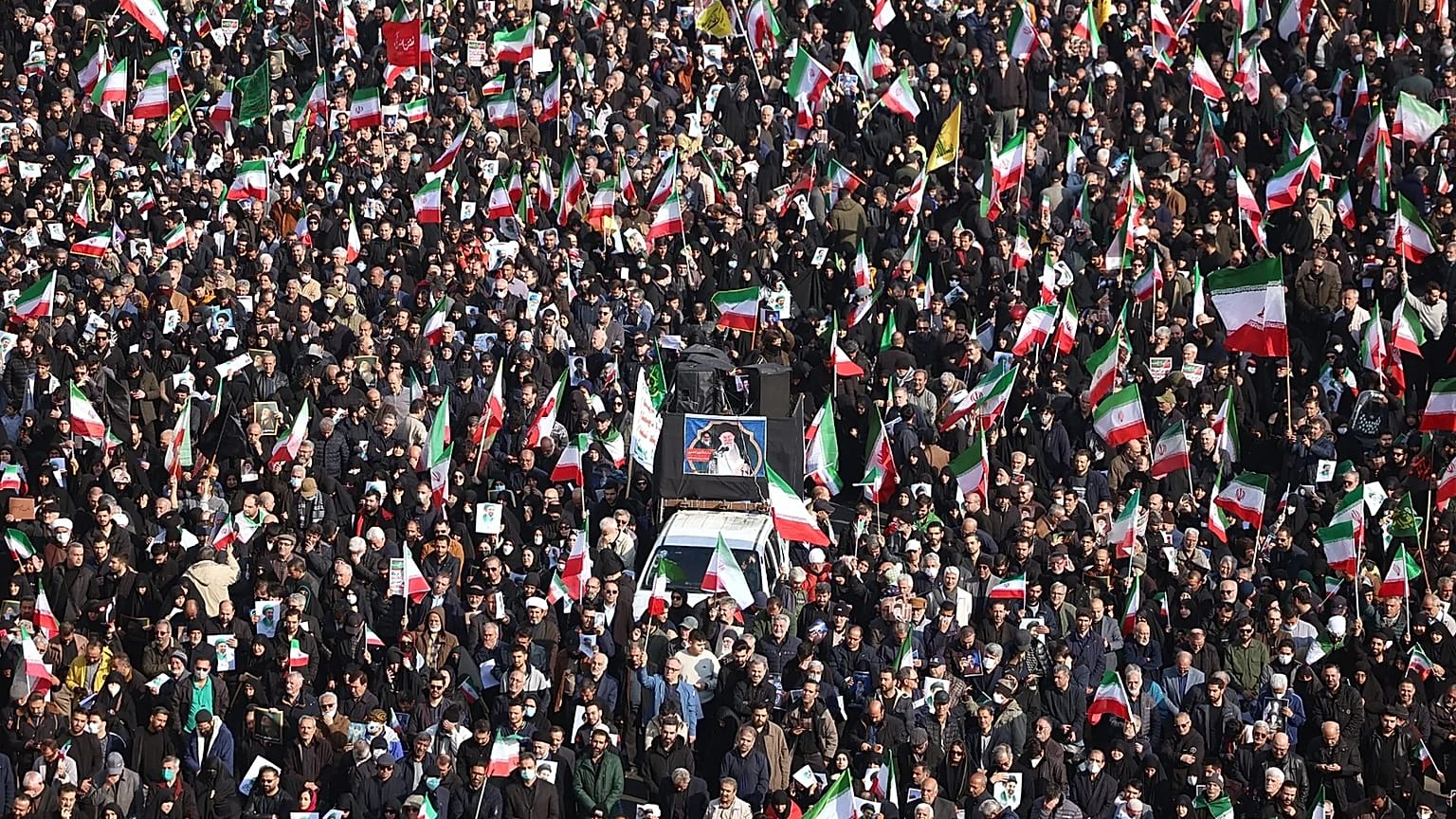














Iran’s leadership is under pressure but the system is built to endure, says Middle East expert Professor Mehran Kamrava, warning the conflict could become a long and grinding war.
Three weeks into the war between the United States, Israel and Iran, it is becoming clear the two sides are fighting very different battles.
 ADVERTISEMENT
ADVERTISEMENT
ADVERTISEMENT
“The United States and Israel want a quick and decisive victory,” says Mehran Kamrava, Professor of Government at Georgetown University in Qatar.
“For Iran, simply resisting and surviving is victory.”
That gap in strategy is shaping the conflict and raising fears it could drag on far longer than expected.
What went wrong
Kamrava says the road to war was paved with both political ambition and miscalculation.
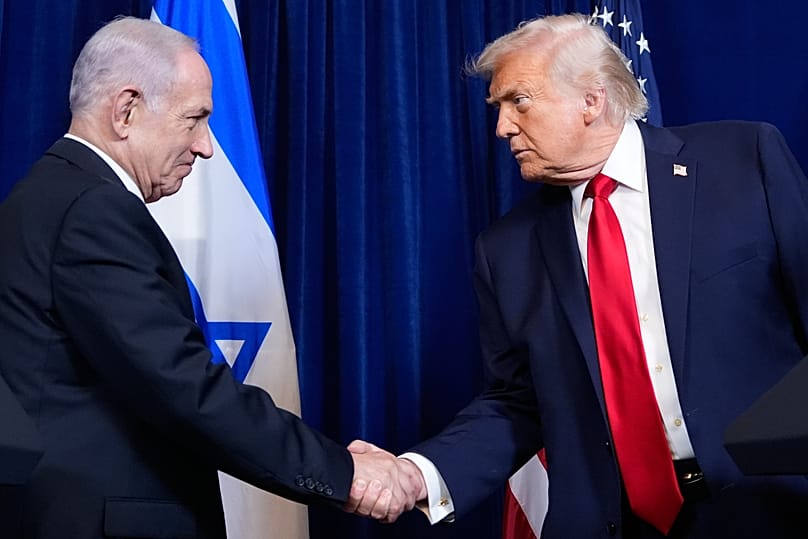
“As far as Benjamin Netanyahu is concerned, the previous war never really ended,” he explains. “He was eager to ensure that the system, both politically and militarily, is dismantled.”
At the same time, Iran misread the situation in Washington.
“Iran negotiated on its own terms and did not realise the volatility and unpredictability of President Donald Trump’s decision-making,” he says.
That combination helped push both sides into open conflict.
A war of two logics
Despite competing claims of victory, Kamrava says the reality is more complicated.
“What we see are two different logics at work here,” he says. “The United States and Israel measure success through visible military damage. Iran sees this as a prolonged conflict.”
In Tehran’s view, the goal is not a quick win but endurance.
“It is a war in which, over time, Iran would grind down American and Israeli resolve,” he says. “The question is who is going to blink first.”
A system built to endure
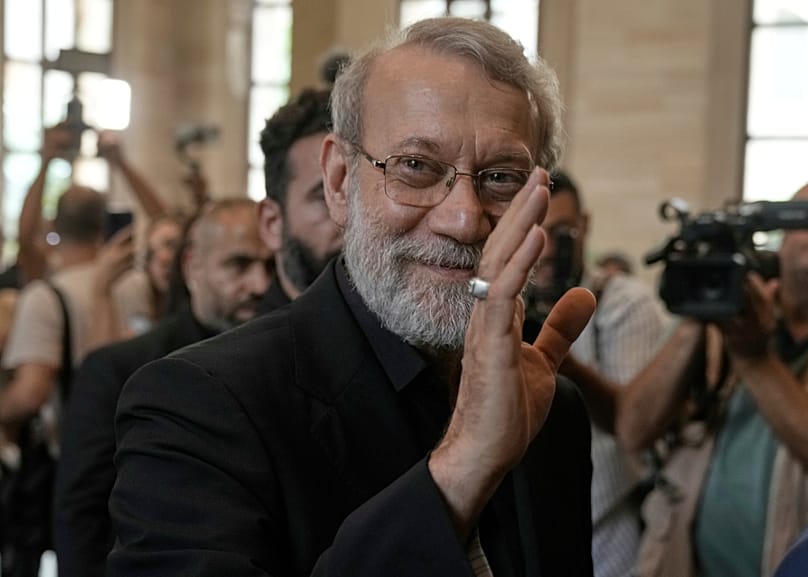
The conflict has already raised questions about Iran’s leadership, especially following reports out of Israel senior security figure Ali Larijani has been killed. But Kamrava says the system is designed to absorb shocks like this.
“The system is designed to continue to function even without the top leadership being there,” he says. “Decisions can be made somewhat autonomously.”
Even if Larijani’s death is confirmed by Iran, he describes it as a setback rather than a turning point.
“Whether he is alive or capable of making decisions doesn’t really matter. The system continues to function.”
Military decisions, he says, are being driven by institutions such as the Revolutionary Guards, which are structured to operate even without direct leadership.
Inside Iran: power without visibility
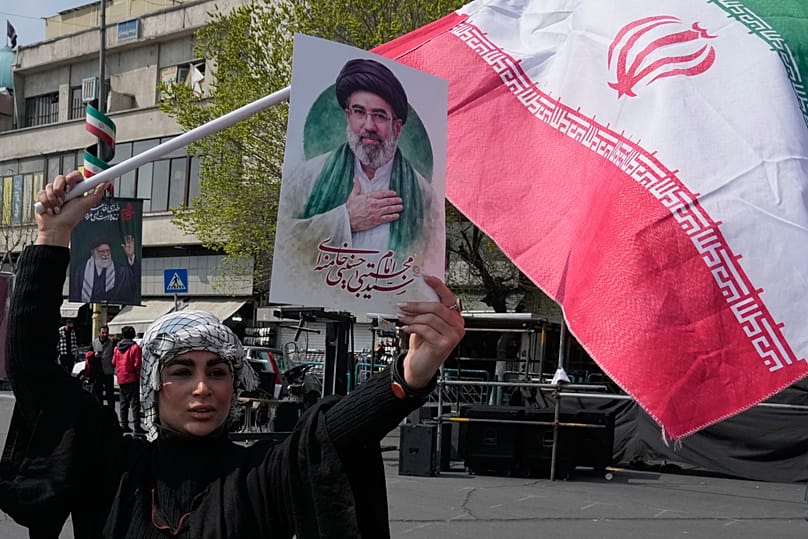
At the same time, uncertainty around Mojtaba Khamenei has drawn attention.
“His absence is palpable. We do not even have a recording of his voice,” Kamrava says.
But again, he argues that the bigger picture is institutional, not personal.
“Whether or not he is capable of making command decisions does not really matter,” he says. “The system continues to function and military decisions are being made.”
A widening conflict
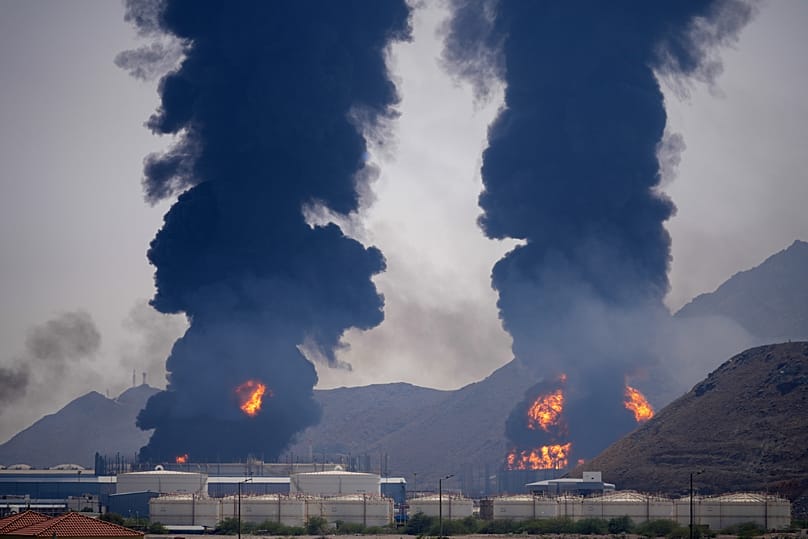
Beyond Iran’s borders, the war is already spilling across the region. Kamrava says he was surprised by how quickly Gulf countries became targets.
“I was surprised that the Iranians so quickly and so extensively attacked the GCC states,” he says.
That leaves regional governments in a difficult position.
“They are being attacked by Iran, but they do not want to be dragged into an American-Israeli war,” he explains.
There is also a deeper concern about long-term security.
“If they enter the war, what is there to say that tomorrow the United States will not pack up and leave?” he says.
No clear end in sight
For now, there is little certainty about how or when the conflict will end.
“Only President Donald Trump knows when the war will end,” Kamrava says. “He could declare victory tomorrow.”
In the meantime, efforts by regional players to mediate continue quietly in the background. What remains clear, however, is that neither Iran nor its neighbours are going anywhere.
“These are countries that are either cursed or blessed by geography to be neighbors,” he says. “They have to find some way to live with one another.”
Until then, the war risks becoming exactly what Iran appears to be preparing for all along: a long, slow conflict with no easy way out.