




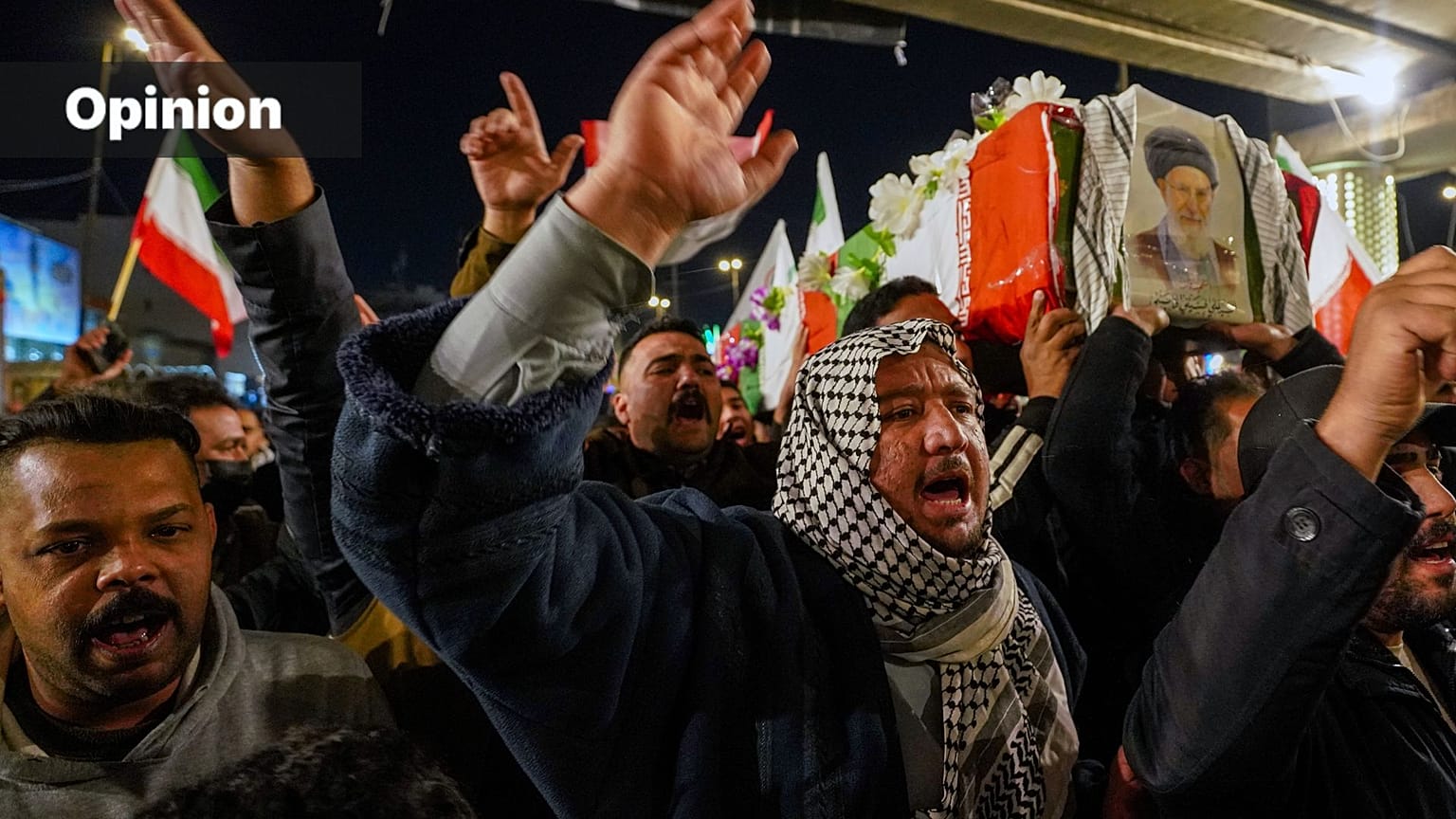













Following the death of Ali Khamenei, the fall of the regime appears to be a realistic option for the first time in 47 years. But the regime still has a monopoly on the use of force. These are historic times for the people of Iran, Gilda Sahebi writes in an opinion article for Eurones.
If you talk to people who have already travelled to Iran, the stories they bring back from their trips are very similar: stunning landscapes, fascinating cultural treasures, diverse cuisine, exceptional hospitality, music, dance and joy.
 ADVERTISEMENT
ADVERTISEMENT
ADVERTISEMENT
It is this Iran that is on many people's minds today. With the hope for an end to the Islamic Republic, there is also a longing for a country that has plenty of light without the shadow of dictatorship.
Whether the country will become free, whether the people of Iran will be able to develop and live without oppression - this question is difficult to answer.
After the killing of Ali Khamenei, the fall of the regime seems to be a realistic option for the first time in the 47 years of the Islamic Republic's existence. You could say: so close and yet so far. Because the country has not yet been liberated.
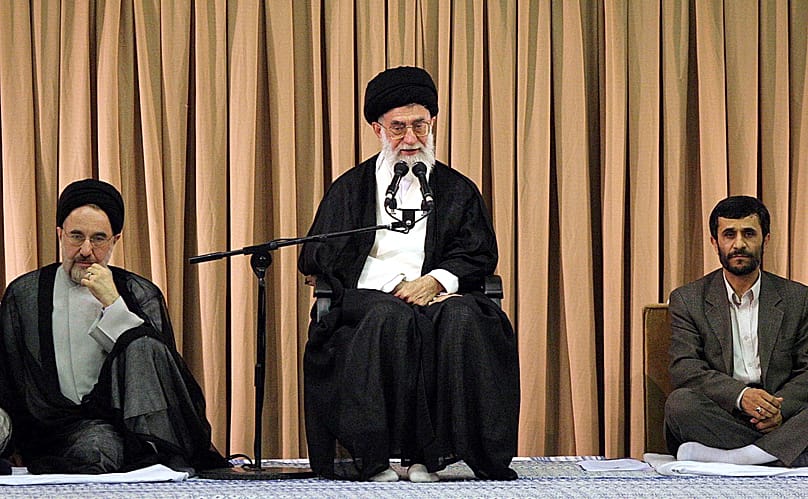
The Islamic Republic is closer to the abyss than ever before. The majority of people in the country feel nothing but disgust and hatred towards those in power.
The brute force that the regime has used against its own people in recent decades is too great.
Most recently, it had tens of thousands of people murdered on the streets and in hospitals during nationwide protests at the beginning of January, including many children and young people.
It made bodies disappear, arrested doctors who were treating protesters and executed alleged rioters.
The message to the people: When it comes to preserving the Islamic Republic, we know no boundaries. Even the very last bond between the regime and the population has been severed.
Iranian regime is completely isolated
The first hours of the war have also shown that the regime is no longer able to protect its own people.
The Israeli and US military seem to have succeeded with ease in killing Khamenei, presumably the best-protected person in the country.
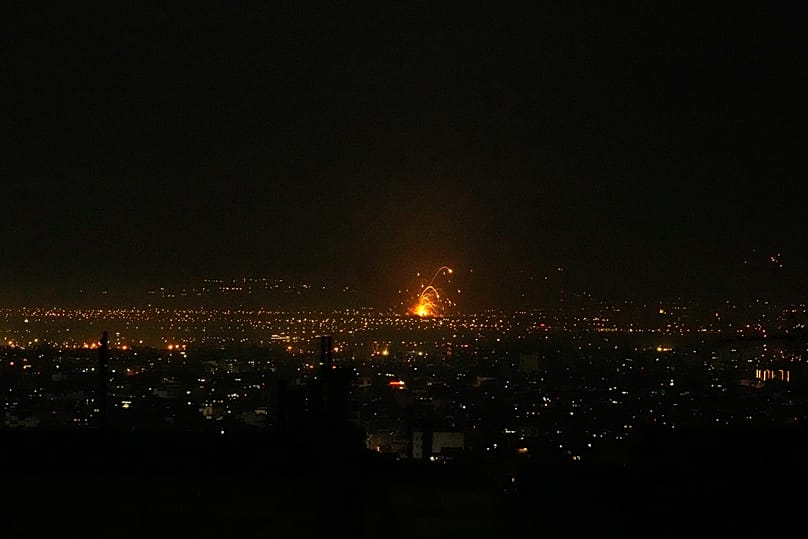
Meanwhile, no state in the region came to the aid of the Iranian regime; on the contrary, after the leadership in Tehran responded to the attacks by firing missiles at US military bases and civilian targets in several Arab countries, these countries clearly distanced themselves from the Islamic Republic.
The regime is completely isolated. It can no longer expect any significant support, not even from the fraternal Hezbollah.
Cries of joy in the streets
After the rumours of Khamenei's death were confirmed, people all over the country poured onto the streets to dance and celebrate; cries of joy filled the streets of Iran.
The violence that the population has experienced over the past decades at the hands of the system that was largely shaped by Khamenei is in the bones of the people of Iran.
It seemed as if a brief sigh of relief went through the country. A spark of justice in a state where impunity for the greatest crimes is the norm.
And yet the death of the revolutionary leader does not mark the end of the Islamic Republic.
It took almost 24 hours for the regime to confirm the death; during this time, it can be assumed that the remaining leadership developed a strategy on how to proceed.
The most important goal: a demonstration of power. Not a single sign of weakness should be revealed to the public. The system must demonstrate that it is not wavering despite all the losses.
Funeral marches were even organised for Khamenei in the middle of the war. A transitional leadership has been introduced, a triumvirate in which President Mahsoud Pezeshkian is one of the members.
The succession of the revolutionary leader is to be organised as quickly as possible.
The regime still has hundreds of thousands under arms
In the country, there is not only joy at the deaths of state representatives - in addition to Khamenei, a number of high-ranking generals and officials were also killed - but also uncertainty as to how things can now proceed.
In his statement accompanying the start of the war, US President Donald Trump called on the people of Iran to "take over" the government.
The military attacks would pave the way for them. However, the people are still facing hundreds of thousands of men under arms.
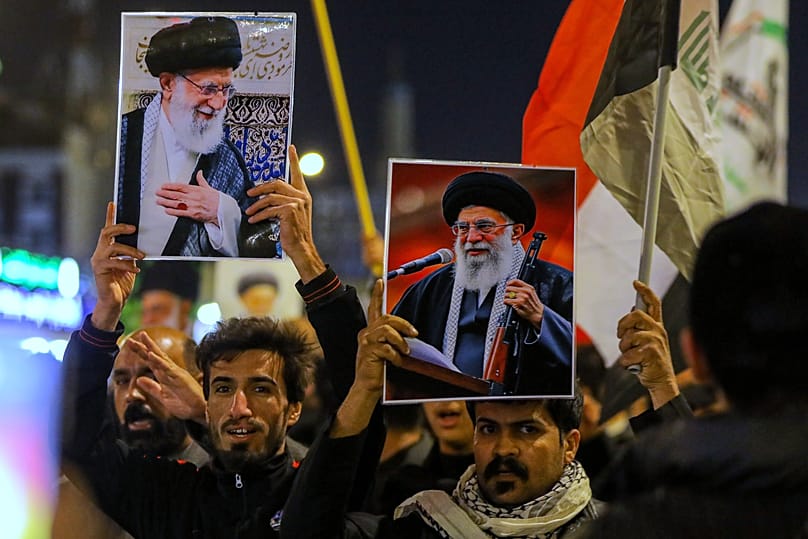
The regime still has a monopoly on the use of force - and in January it showed how far it is prepared to go to defend the Islamic Republic, with or without a revolutionary leader.
Will the regime shoot at demonstrators?
Reza Pahlavi, the son of the former shah, who has taken a prominent role in the exiled opposition and presents himself as its leader, has repeatedly called on the troops in recent days to lay down their arms and join the resistance.
Trump has also declared that this is the only way for those loyal to the regime to escape with their lives. A crucial question in the coming days and weeks will therefore be: Will regime forces shoot at people if demonstrations break out again?
In addition to all the uncertainties, the population is also worried about further bombings. Many people, especially in the capital Tehran, are trying to seek shelter in the countryside.
There are no shelters in Iran where people can find safety. The queues at petrol stations are long and cars are crowded on the roads.
According to the US-based human rights organisation HRANA, at least 133 civilians have already been killed in the attacks. Nobody knows how long this war will last and what will come after that.
Historic times for the people of Iran, the region and the world
Only one thing is certain: the people of Iran are not only ready for freedom and democracy.
Over the past 47 years, they have proven time and again that they will go to extremes to pave the way to freedom for the next generation.
They are not the only ones dreaming of an Iran of light these days. Millions of Iranians abroad are also longing for freedom for their homeland.
The transition to democracy is possible, even if it is anything but certain. These are historic times for the people of Iran, the region and the world.
Hopefully, the end result will be a country that can flourish without the shadow of a dictatorship.
Gilda Sahebi is a German-Iranian journalist, writer and podcaster.