




























The US State Department dismissed the lawsuit as "baseless lawfare" and defended the sanctions against the UN Gaza envoy as "legal and appropriate".
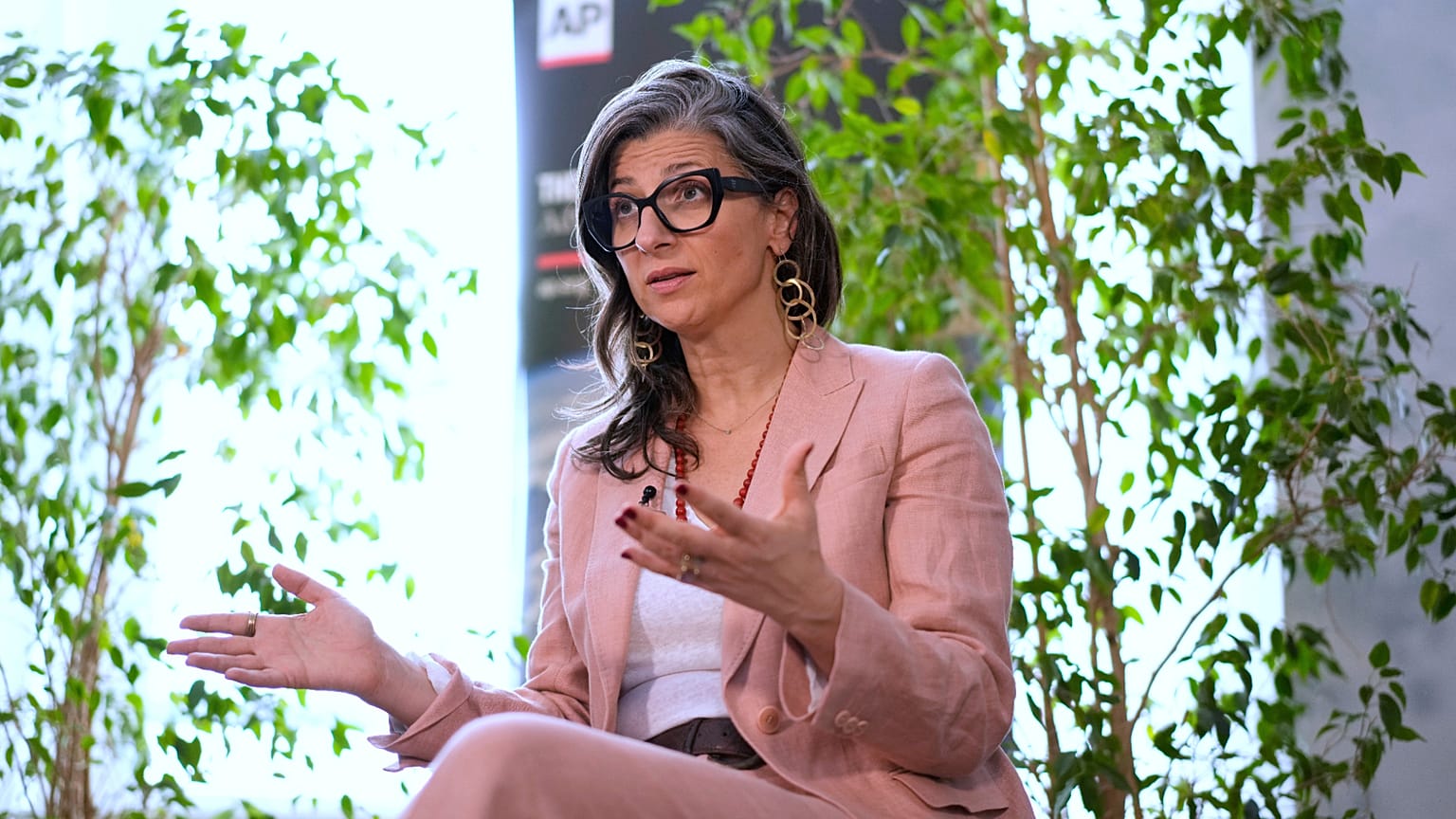
The family of UN Special Rapporteur Francesca Albanese has sued US President Donald Trump and senior administration officials over sanctions imposed on her for criticising Israel's conduct in Gaza, claiming the penalties violate her constitutional rights.
 ADVERTISEMENT
ADVERTISEMENT
ADVERTISEMENT
Albanese's husband Massimiliano Calì, a senior World Bank economist, and their minor daughter filed the lawsuit on Wednesday in US District Court in Washington, naming Trump, US Attorney General Pam Bondi, Treasury Secretary Scott Bessent and Secretary of State Marco Rubio as defendants.
The civil complaint argues the sanctions violate Albanese's First, Fourth and Fifth Amendment rights, unreasonably seize property without due process, and breach sanctions laws.
"Francesca's expression of her views about the facts as she has found them in the Israeli-Palestinian conflict and about the work of the ICC is core First Amendment activity," the lawsuit states.
"At its heart, this case concerns whether defendants can sanction a person — ruining their life and the lives of their loved ones, including their US citizen daughter — because they disagree with their recommendations or fear their persuasiveness."
The US State Department dismissed the lawsuit as "baseless lawfare" and defended the sanctions as "legal and appropriate".
"The United States will continue to condemn and oppose her biased and malicious activities, which have long made her unfit for her role," a spokesperson said.
The Trump administration sanctioned Albanese on 9 July 2025 for what Rubio described as a "campaign of political and economic warfare" against the US and Israel.
The sanctions freeze Albanese's US-based assets and bar anyone from conducting financial transactions with her. She cannot travel to the US and has lost access to her bank accounts.
Family claims impact
Calì, an Italian citizen, and their daughter, a US citizen, outlined in court documents the severe impact the sanctions have had on their family.
The couple owned and rented a flat in Washington that had been affected by the sanctions. The lawsuit claims the penalties prevent access to bank accounts, sever ties with academic institutions, and block the family's ability to travel to the US.
Albanese told The New York Times on Thursday she had "experienced enormous hardship" and that family members feared committing crimes by maintaining contact with her.
"There is a criminalisation of my motherhood and the family bonds I have," she said.
Albanese's daughter faces potential criminal consequences for having relations with her mother, as a sanctioned person under US law.
In recent weeks, France and Germany called for Albanese's resignation following a speech at a forum in which her statements were said to be misinterpreted.
An edited video circulated by UN Watch group suggested Albanese called Israel "the common enemy of humanity". Albanese had actually referred to "the system that has enabled" violence in Gaza as the common enemy.
French Foreign Minister Jean-Noël Barrot and German Foreign Minister Johann Wadephul both called for her removal, though neither formally requested it at the UN.
In an interview for Euronews morning programme Europe Today last Friday, Albanese told Euronews she has no plans to resign despite the backlash, as she retained "the trust of the (UN) Human Rights Council".
The UN distanced itself from Albanese through Secretary-General António Guterres' spokesperson, explaining the organisation "disagrees with much of what she says" and the "terms she is using to describe the situation" in Gaza.
Albanese, an Italian citizen, cannot take direct legal action under UN rules on immunity for officials unless the UN decides to waive it, which has little precedent.