












Previously "manageable" storms are transforming into “dangerous disasters” due to human-generated emissions, a new report warns.
Scientists warn that Europe’s winter downpours are only going to get “heavier” following a succession of violent weather events that have battered the western Mediterranean.
 ADVERTISEMENT
ADVERTISEMENT
ADVERTISEMENT
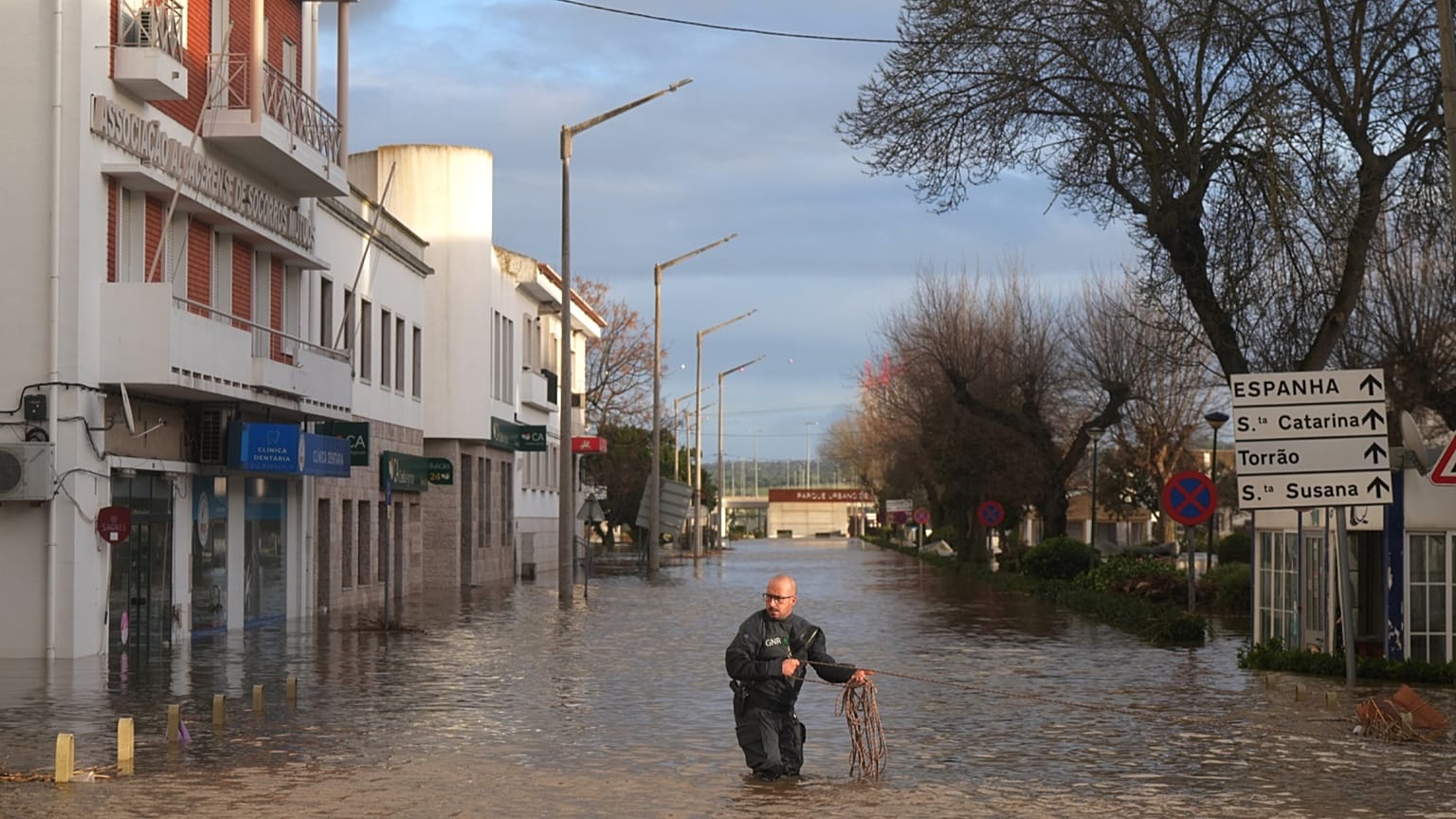
Since mid-January, an unusually high number of named storms have brought hurricane-force winds and unprecedented levels of rainfall to countries such as Portugal, Spain and Morocco.
The “relentless” precipitation sparked widespread destruction to vital infrastructure like roads and energy supplies, and is believed to have caused billions of Euros in damage. Hundreds of thousands of people have also been displaced by the extreme weather, while more than 50 have died.
In Grazalema, for example, a village in southern Spain, more than an entire year of expected rain fell in just a matter of days. Over in Portugal, Storm Leo brought one-day rainfall totals that are so extreme they would be expected once in a century, at most.
Is climate change causing Europe’s winter downpours?
A new analysis from World Weather Attribution looks at the likelihood and intensity of the heaviest rainfall events that most severely impacted areas in Spain, Portugal and Morocco.
The report found a “clear increase” in the intensity of the most extreme one-day rainfall events (36 per cent in the southern region studied and 29 per cent in the northern region). This means the wettest days are now around a third wetter than they were before the planet warmed by 1.3℃ compared to pre-industrial levels.
Researchers combined these observed increases with climate model simulations and found that carbon emissions from humans caused an 11 per cent increase in rainfall intensity in the northern region. In the southern region, climate models did not reproduce the observed trend.
While waters surrounding Iberia and Morocco are not abnormally warm, the report found that the storms were supercharged by “atmospheric rivers” which draw moisture from a strong to severe marine heatwave further west in the Atlantic.
The path to ‘dangerous disasters’
“This is exactly what climate change looks like: weather patterns that used to be more manageable disasters are now turning into more dangerous disasters,” says Dr Friederike Otto, Professor of Climate Science at the Centre for Environmental Policy at Imperial College London.
“Whether it is the 11 per cent increase we’ve been able to directly attribute to human activities, such as our burning of fossil fuels, or the much higher trends we see on the ground over the decades – we are confident that climate change makes these intense downpours more severe.”
Dr Otto argues that Europe has the tools and knowledge to prevent these violent weather events from getting worse, adding: “Every additional fraction of a degree of warming is worth fighting.”
Europe’s need for better planning
Maja Vahlberg of Red Cross Red Crescent Climate Centre, says the sheer number of people displaced and killed in the storms is a “tragic reminder” that our defences are being overwhelmed.
“We must invest urgently in local capacity and ensure that urban planning accounts for a future where what is considered ‘extreme’ is shifting with each year that passes,” she adds.
“We aren’t just fighting a change in weather, we are fighting a humanitarian crisis driven by a changing climate.”
Earlier this month, experts argued that the fallout from Portugal’s storms could have been avoided – or at least made less severe – if it wasn’t for planning failures.