












A new study has warned that liquid crystal monomers from electronic devices are accumulating in the organs of endangered marine species.
Potentially toxic chemicals from everyday electronic items have been detected in marine life in what scientists describe as an urgent “wake-up call”.
 ADVERTISEMENT
ADVERTISEMENT
ADVERTISEMENT
Liquid crystal monomers (LCMs) are critical components of devices you probably have in your home, such as laptops, television and smartphone screens.
LCMs control how light passes through both handheld and large display screens, producing high-quality images that consumers have started to favour. However, due to their widespread use, LCMs have become ubiquitous on Earth – and can be found in indoor air, dust and even wastewater, where they eventually end up in coastal environments.
Previous studies have linked LCMs to health risks in humans and some aquatic species, but less is known about how these pollutants move through marine food chains and whether they impact top predators.
How e-waste chemicals have infiltrated marine life
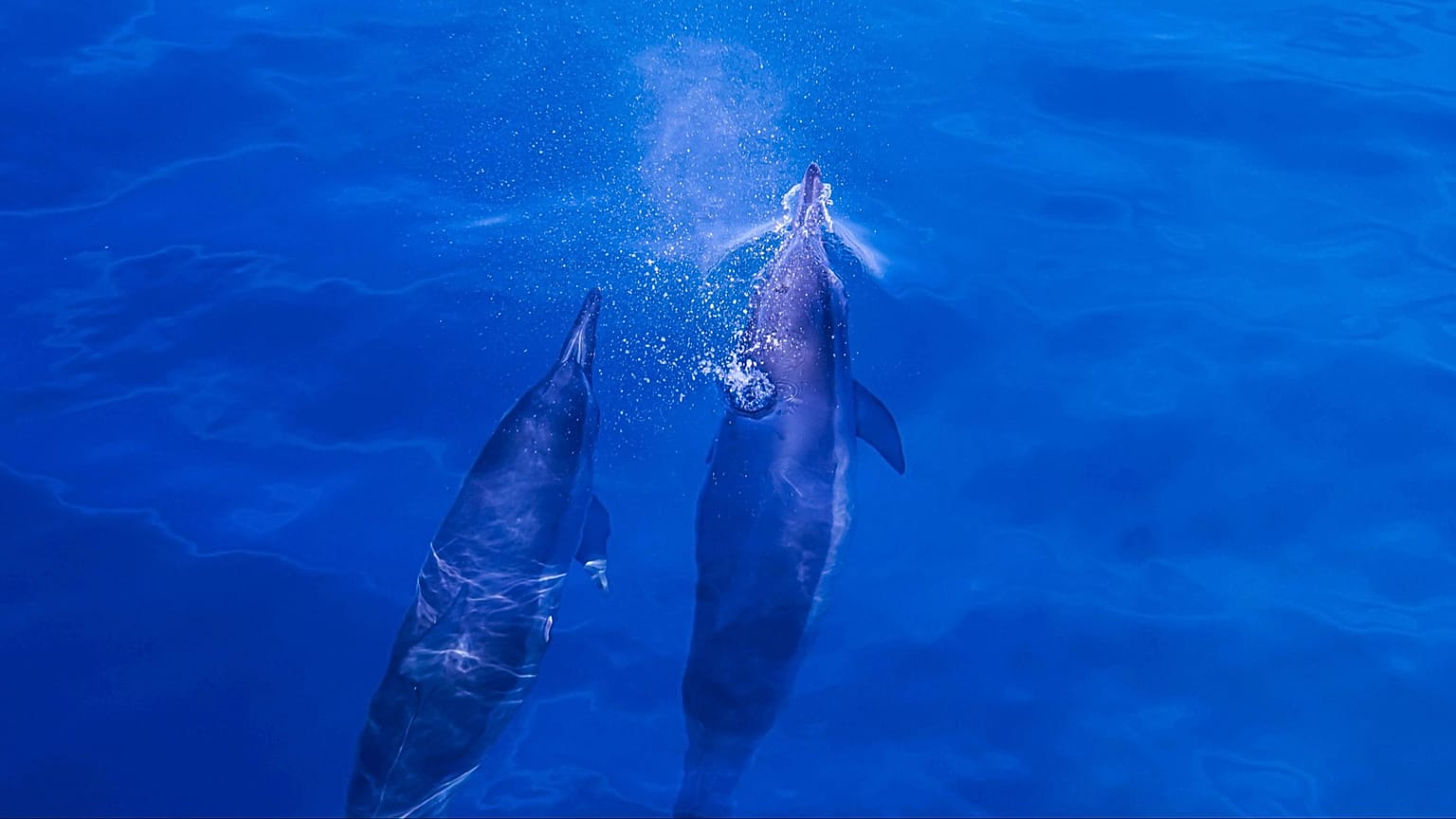
Now, researcher Bo Liang and his colleagues have analysed tissue samples from Indo-Pacific humpback dolphins and finless porpoises in the South China Sea, an important habitat for these endangered animals. These samples were collected between 2007 and 2021.
The scientists screened the dolphin and porpoise blubber, muscle, liver, kidney and brain tissue samples for 62 individual LCMs. The study, published in the journal Environmental Science and Technology, found that four compounds accounted for the majority of what was detected.
Most of the LCMs found in dolphins and porpoises likely originated from television and computer screens, with smaller contributions from smartphones, the study finds.
Although the contaminants were mostly concentrated in blubber (fatty tissue), researchers say they were “surprised” to discover small amounts in other organs, particularly the brain. The team says this highlights the potential health hazard of neurotoxic risks.
LCM levels in porpoise blubber had gradually increased in the past, but started to decline as manufacturers shifted to more LED displays for TVs.
A ‘wake-up call’ to protect the oceans
“In additional lab tests, several common LCMs, including the major four in these samples, altered gene activity such as those related to DNA repair and cell division in cultured dolphin cells,” the study states. “These results suggest that these compounds could negatively impact marine mammals.”
Scientists are now calling for further investigation into the effects of LCM pollution on wildlife, urging policymakers to introduce “urgent” regulatory action and improved e-waste disposal.
“Our research reveals that LCMs from everyday electronics are not just pollution – they're accumulating in the brains of endangered dolphins and porpoises,” says Yuhe He, a researcher at City University of Hong Kong and a corresponding author of the study.
“This is a wake-up call: The chemicals powering our devices are now infiltrating marine life, and we must act now on e-waste to protect ocean health and, ultimately, ourselves.”