




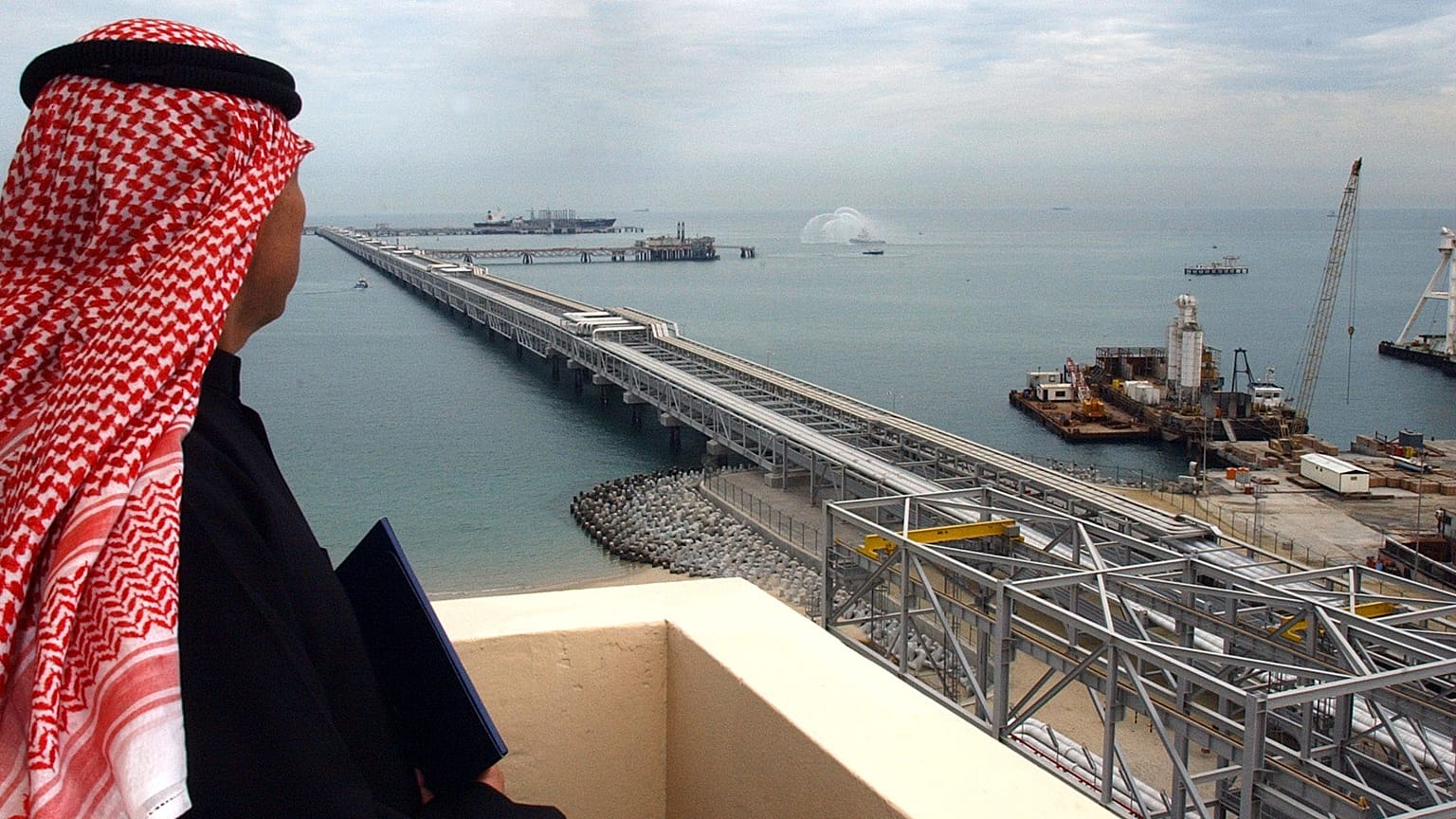













Gulf states have rallied behind Kuwait in a renewed sea border dispute with Iraq, highlighting unresolved maritime tensions in the northern Gulf and the strategic importance of shared waterways and offshore resources.
Gulf Arab countries have expressed strong support for Kuwait in its developing maritime dispute with Iraq, with tensions rising after Baghdad submitted new coordinates and a map to the United Nations, claiming areas Kuwait considers its own.
 ADVERTISEMENT
ADVERTISEMENT
ADVERTISEMENT
Kuwait says the submission encroaches on waters including the Fasht al-Qaid and Fasht al-Aij shoals.
Neighbouring states including Saudi Arabia, the United Arab Emirates, Qatar, Bahrain and Oman issued statements backing Kuwait and calling for respect for international law.
Iraq responds
Baghdad insists the new coordinates are in line with Iraq’s maritime rights and in compliance with international law.
In turn, Iraqi officials said that Kuwait filed its own maps with the UN in 2014 without consulting Iraq.
The dispute also concerns long-standing issues over the Khor Abdullah waterway and the nearby shared zones.
A 2012 agreement regulating navigation in the area was overturned by Iraq’s Federal Supreme Court in 2023 after legal challenges.
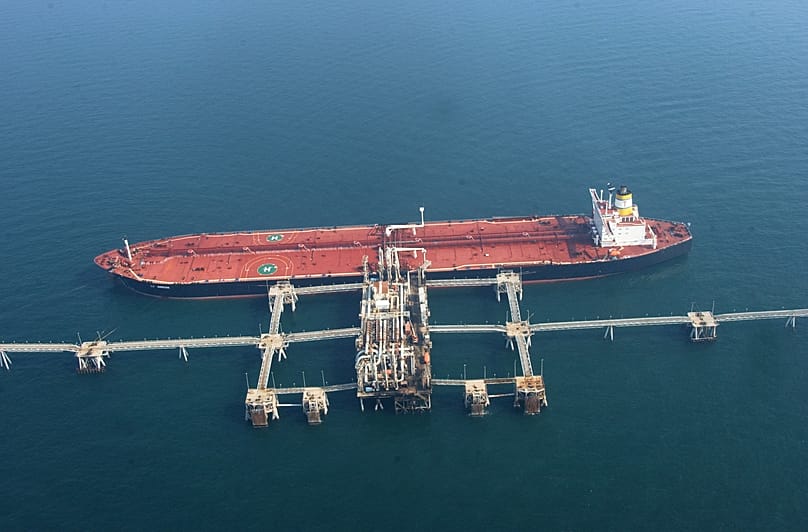
Saudi Arabia said parts of Iraq’s submission also touch on a shared Saudi-Kuwaiti maritime area.
Other Gulf states have called for dialogue and adherence to existing agreements to maintain regional stability.
Egypt also urged a diplomatic solution and respect for international law between the two neighbours.
The dispute is part of remaining disagreements in the Gulf over maritime borders and resources, with past issues still lingering.
Kuwait has carried out a wide review of nationality files since 2024, revoking citizenship from tens of thousands of people as part of an ongoing campaign.
Officials say the measures protect national identity and prevent fraud, while critics warn they risk leaving some individuals stateless.