































Is seven a big number? Taking seven months to land a job in the epicentre of the EU is sometimes considered a speed run. But it has been seven years since the last massive, general entry-level recruitment exam for the EU institutions.
Before you pack your bags for Brussels in search of a top-tier EU job, here is your survival guide to Europe's most elite exam.
 ADVERTISEMENT
ADVERTISEMENT
ADVERTISEMENT
About 50,000 people are expected to apply by the 10 March deadline, so get in line.
There are only 1,400 spots, meaning the success rate is a brutal 3%. Ouch.
To win, candidates must survive rigorous online tests in reasoning and deep EU knowledge.
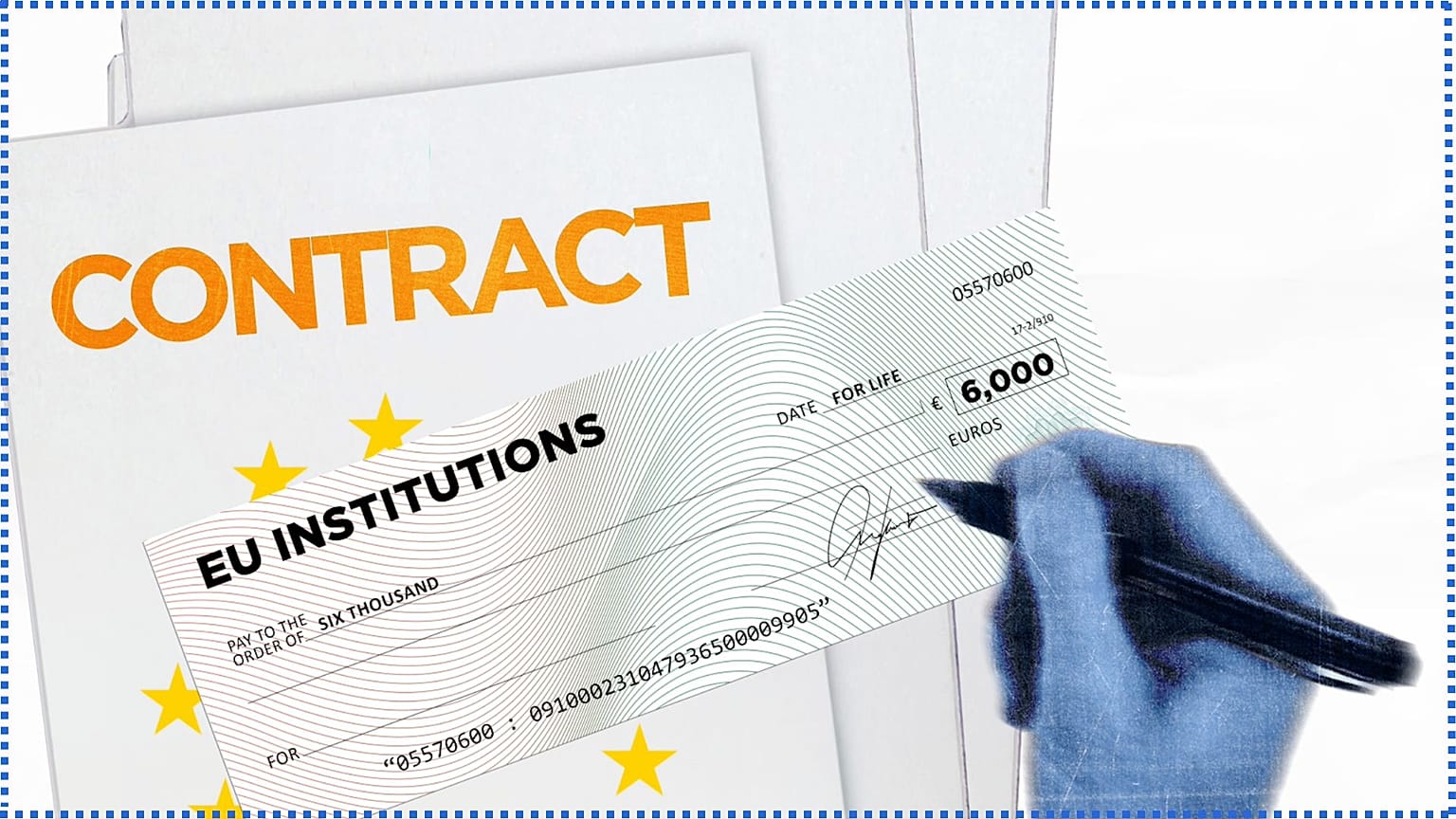
The prize is a famous EU "contract for life" with a starting salary of nearly €6,000.
And that salary is subject to internal EU institutions tax, but completely exempt from national income taxes.
However, the testing system itself is controversial. Recent tech glitches and AI translation errors actually voided 10,000 exam results. That is a lot.
Finally, the results show a geographic imbalance. 15 countries, including Poland and Germany, are simply not getting a fair share of EU jobs based on their population size.
So, does this whole setup even make sense anymore? In a recent Euronews survey, most respondents actually said "no" to the idea of EU jobs for life, arguing they shouldn't depend on a single, one-off exam.
But if you are taking the test this March... Good luck. And let's hope the exam's AI translator is having a good day this time.
Watch the Euronews video in the player above for the full story.