




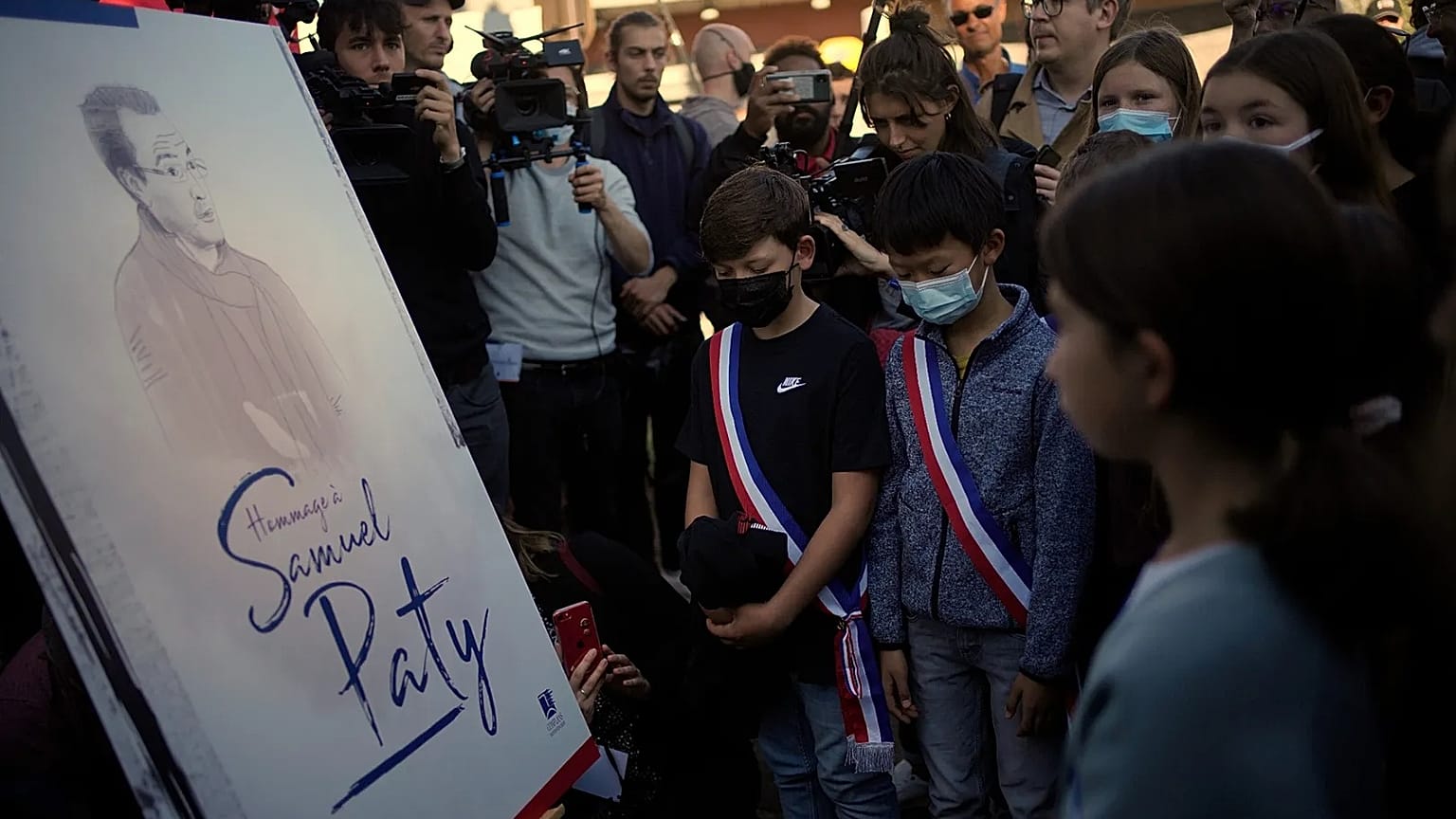














In December 2024, seven men and one woman were found guilty of contributing to the climate of hatred that led to the beheading of the history and geography teacher in Conflans-Sainte-Honorine.
An appeal trial opened in Paris on Monday for four men convicted over the 2020 beheading of teacher Samuel Paty, a killing that horrified France.
 ADVERTISEMENT
ADVERTISEMENT
ADVERTISEMENT
Paty, 47, was murdered in October 2020 by an 18-year-old Islamist radical of Chechen origin after showing cartoons of the Prophet Mohammed in class.
His attacker, Abdoullakh Anzorov, was killed in a shootout with police.
In December 2024, seven men and one woman were found guilty of contributing to the climate of hatred that led to the beheading of the history and geography teacher in Conflans-Sainte-Honorine, west of Paris.
Four of the men are appealing against jail terms ranging from 13 to 16 years.
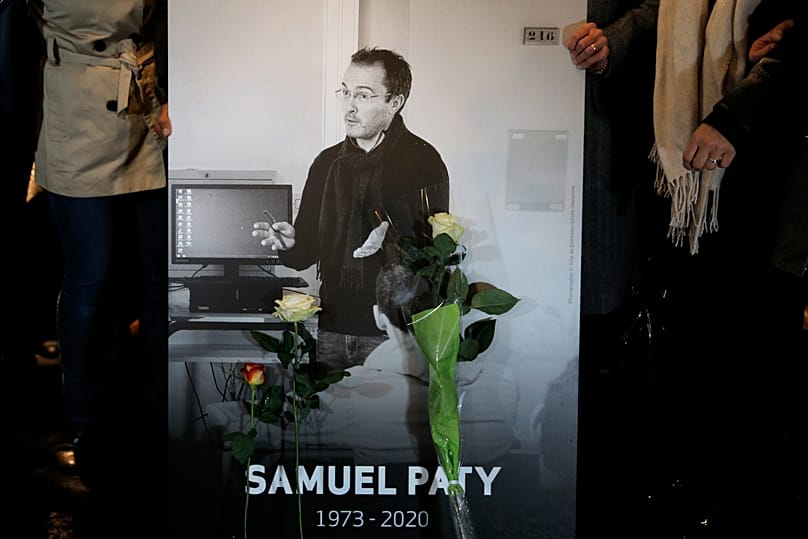
Two friends of Anzorov, French national Naim Boudaoud and Azim Epsirkhanov, a Russian of Chechen origin, have appealed against convictions for complicity in the killing, for which they were sentenced to 16 years in prison.
At the first trial, prosecutors accused them of giving Anzorov logistical support, including help to buy weapons.
Two other defendants, convicted of "terrorist" criminal association for their role in the hate campaign against Paty ahead of his murder, have also appealed against their sentences.
Brahim Chnina, the Moroccan father of a schoolgirl who falsely claimed that Paty had asked Muslim students to leave his classroom before showing the caricatures, was sentenced to 13 years.
His daughter, then aged 13, was not actually in the classroom at the time and in the first trial apologised to the teacher's family.
Abdelhakim Sefrioui, a French-Moroccan Islamist activist, was jailed for 15 years.
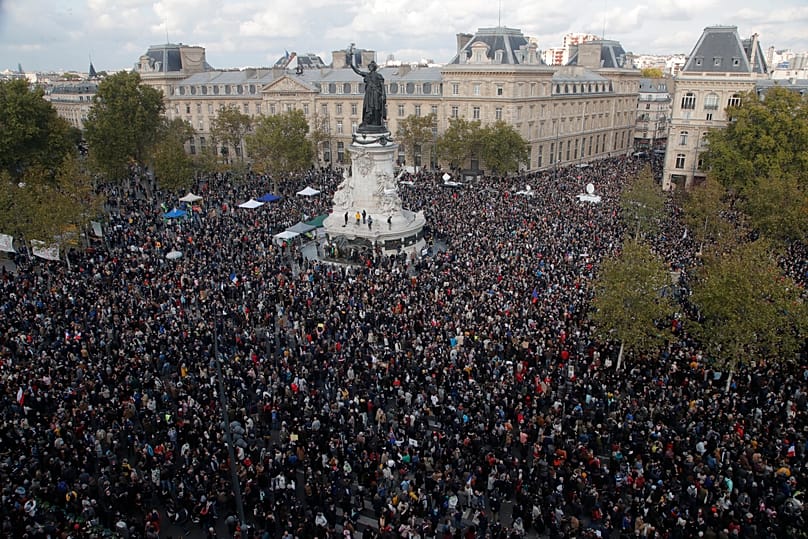
Freedom of expression laws
Prosecutors alleged during the first trial that Chnina and Sefrioui spread the teenager's false claims on social media to provoke a "feeling of hatred."
Chnina's lawyers said their client's role would be "put into perspective" during the appeal, arguing that he "never participated in terrorist activity."
A lawyer for Sefrioui said there was "nothing linking" his client to Anzorov's crimes.
The remaining four defendants, described as part of a network of jihadist sympathisers around Anzorov who spread inflammatory content online, did not appeal against their convictions, which included prison or suspended terms.
The trial at the Special Assize Court of Appeal in Paris is to last until 27 February.
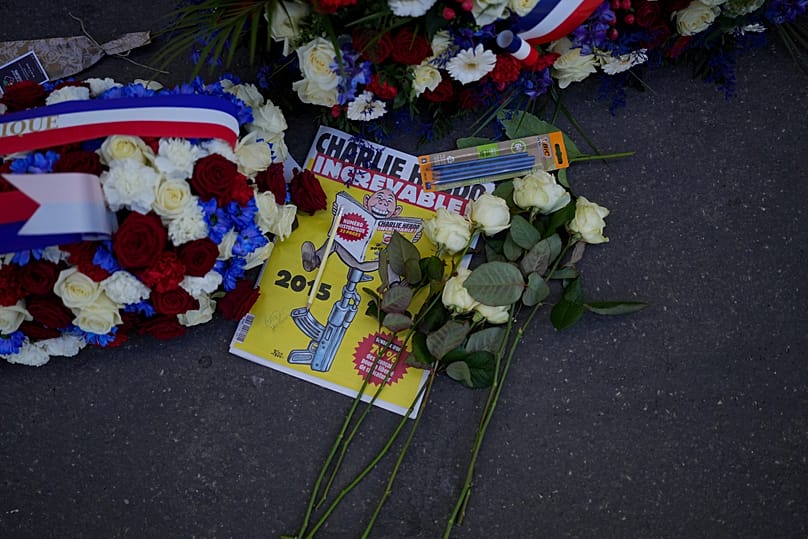
Paty, who has become a free-speech icon, used the cartoons as part of an ethics class to discuss freedom of expression laws in France.
They were first published in the satirical magazine Charlie Hebdo in 2015.
Blasphemy is legal in a nation that prides itself on its secular values and there is a long history of cartoons mocking religious figures.
Paty's killing took place just weeks after Charlie Hebdo republished the cartoons.
After the magazine first published them, Islamist gunmen stormed its offices, killing 12 people.