




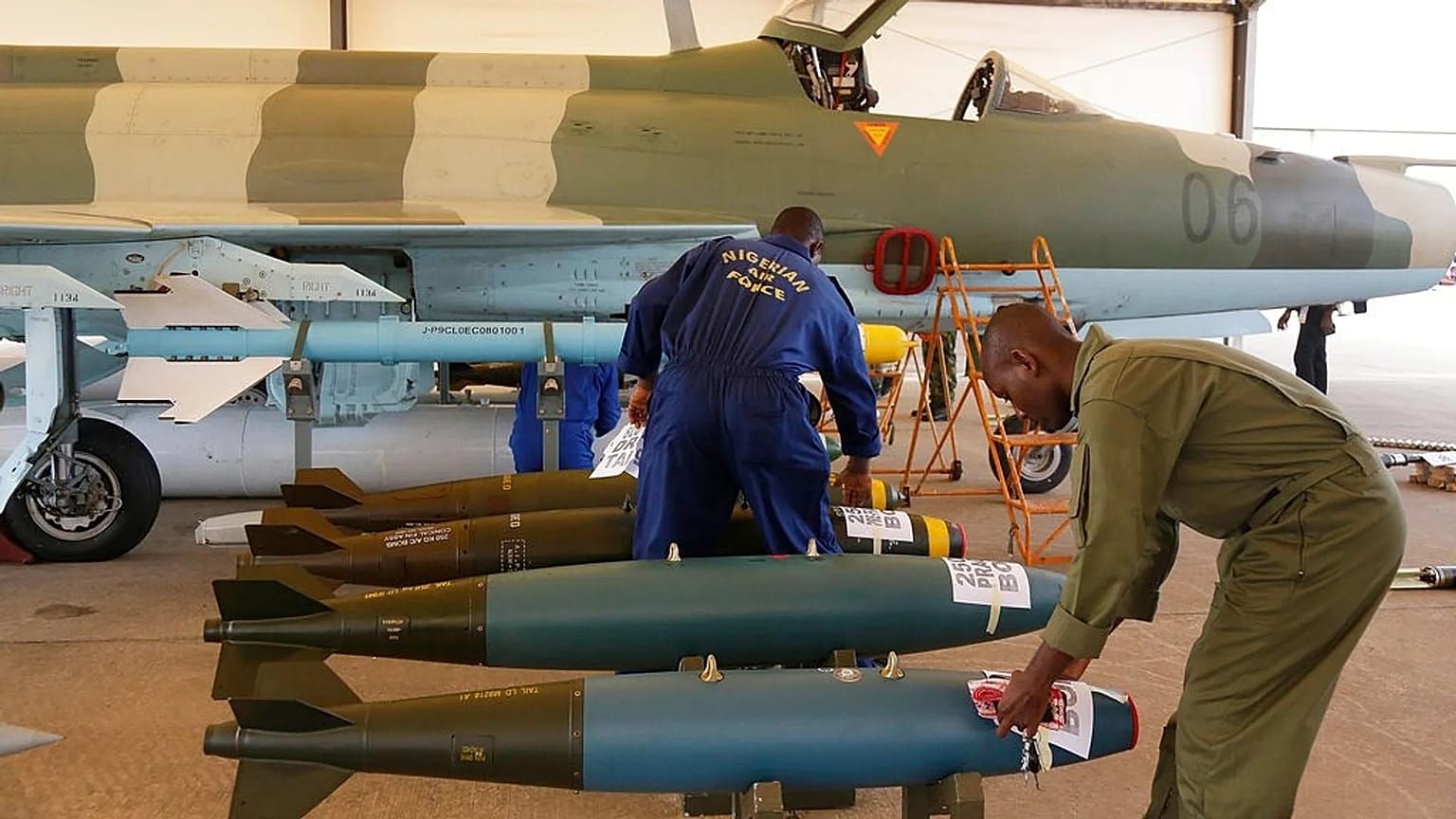













Nigeria, which is battling multiple armed groups, said last month that the US strikes were part of an exchange of intelligence and strategic coordination between the two nations.
The Nigerian air force will reportedly take the lead from the US after Washington's strikes against militants of the so-called Islamic State (IS) group in northwest Nigeria last month.
 ADVERTISEMENT
ADVERTISEMENT
ADVERTISEMENT
A Nigerian official told the AFP news agency on Tuesday that the country's fighter jets woulds use intelligence gathered from US reconnaissance flights to aid their own air strikes as part of a new security arrangement with Washington.
However, Nigeria remains open to further US strikes like the ones on Christmas Day, according to the official.
US President Donald Trump announced on 26 December that the US had carried out "powerful and deadly" strikes against IS gunmen in Nigeria's Sokoto state.
Trump said that "terrorist scum" targeted in the strikes were "viciously targeting and killing mostly innocent Christians". The number of casualties is unclear, although Nigerian and US officials said that militants were killed in the strikes.
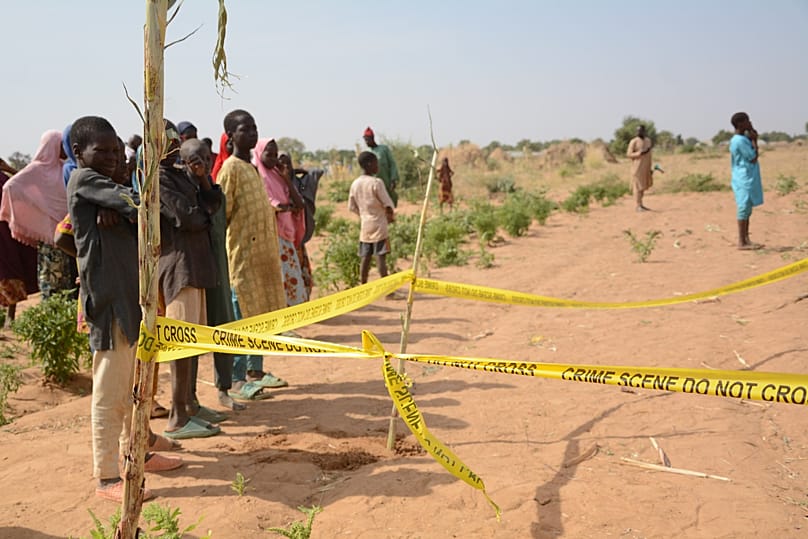
Nigeria, which is battling multiple armed groups, said last month that the US strikes were part of an exchange of intelligence and strategic coordination between the two nations.
Despite Trump's comments about Christian victims of violence, Nigerian Foreign Minister Yusuf Maitama Tuggar said the attacks had "nothing to do with a particular religion."
This echoed comments by Nigerian President Bola Ahmed Tinubu, who said that security challenges affect people "irrespective of religions and regions."
Residents and security analysts have said Nigeria's security crisis affects both Christians, who are predominant in the south, and Muslims, who are the majority in the north.
The armed groups operating in Nigeria include at least two organisations linked to IS: the Islamic State of West Africa — an offshoot of Boko Haram that operates mainly in the northeast — and the lesser-known Islamic State's Shahel Province (ISSP) — known locally as Lakurawa — with a strong presence in the northwest.
Jihadist groups such as Boko Haram and the Islamic State of West Africa have wreaked havoc in northeastern Nigeria for more than a decade, killing thousands of people, yet most of them were Muslims, according to ACLED, a group that analyses political violence.
In November, Trump ordered the Pentagon to begin planning for potential military action in Nigeria to try and curb what he called Christian persecution.
The US president previously designated Nigeria a "country of particular concern" due to the "existential threat" it poses to its Christian population.
This designation allows for US sanctions against countries "engaged in serious violations of religious freedom."