
















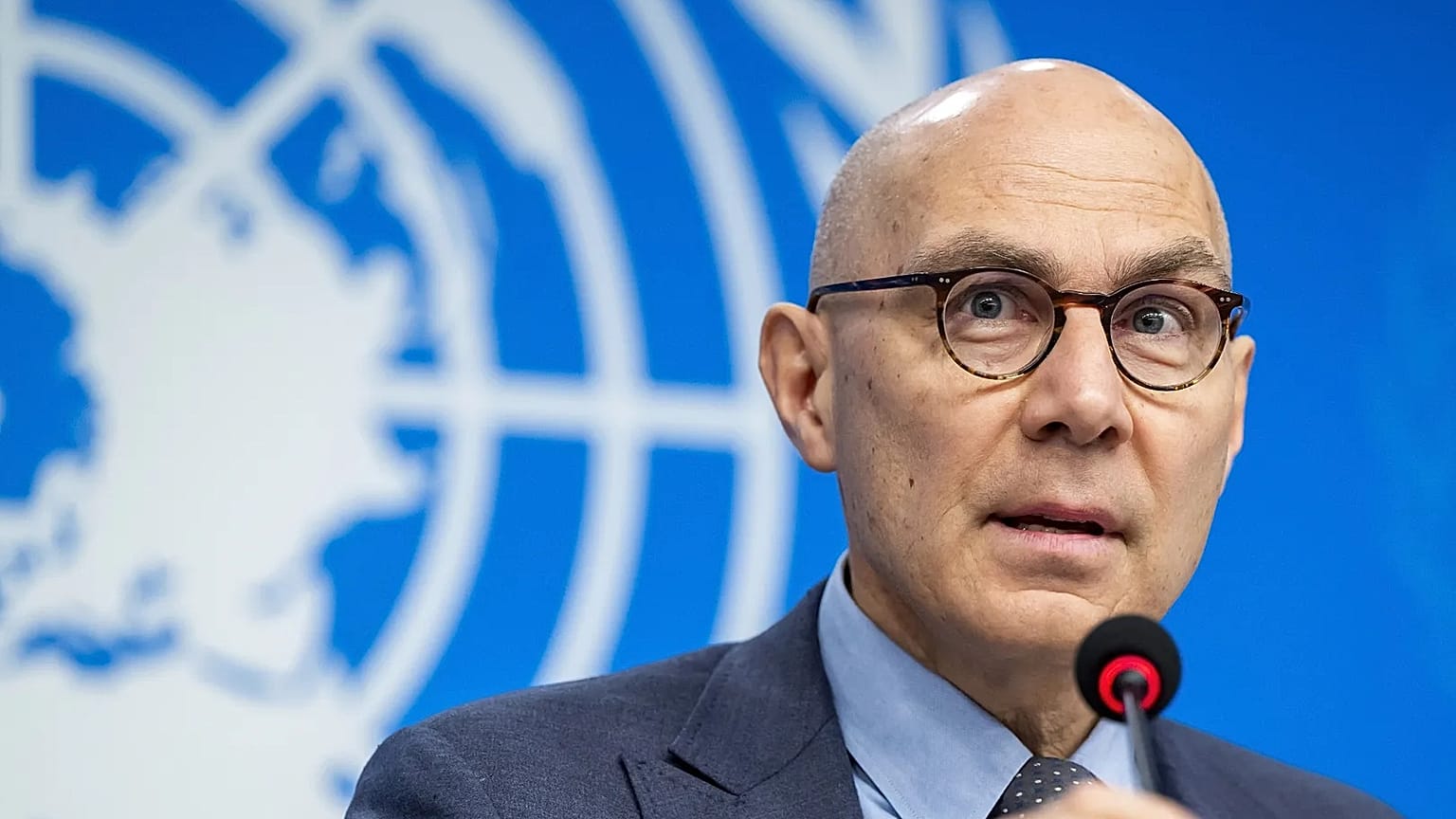














On International Human Rights Day, the UN High Commissioner for Human Rights, Volker Türk, emphasised the need to "reclaim" these fundamental values, which he says have been undermined in Europe.
The European Union is not immune to the erosion of fundamental human rights. That's the warning from the United Nations High Commissioner for Human Rights, Volker Türk, as the world marks International Human Rights Day on 10 December.
 ADVERTISEMENT
ADVERTISEMENT
ADVERTISEMENT
To back up his comments, the Austrian official refers to the latest European report on the rule of law, which states that "about half of EU member states have seen a reduction in civic space," Türk said.
However, "civic space is what makes us thrive, because we need an open and free civic space. We need to be able to express our opinions. We need to be able to protest if we think we can protest, we need to be able to associate. And I have seen a lot of tendencies, even political discussions around it, that want to restrict civic space on environmental issues, on climate issues, on migration issues," he said.
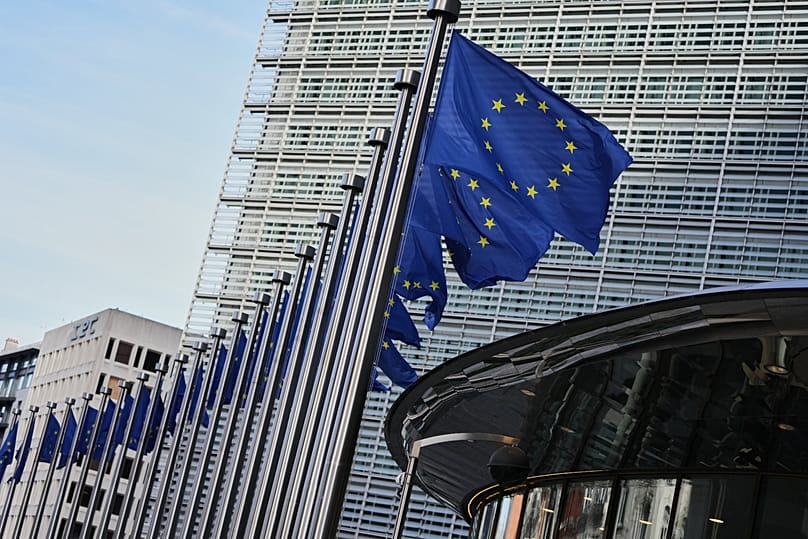
Digital regulation is one of Türk's concerns. The EU has two fundamental regulations: the Digital Market Act and the Digital Services Act. "I think Europe has made an enormously useful contribution globally," he added.
But "now there are some tendencies and some discussions to say maybe we should lower the standards."
The UN High Commissioner hopes that the 27 Member States will not follow this path. "Europe is really a leading example when it comes precisely to the digital space."
He adds that "Europe is also a leading example on regulating business and human rights. But we again see a discussion today about this omnibus process, which may want to lower it. Actually, a lot of companies are telling us, let's make sure that we keep the standards of human rights due diligence in business."
Do not dehumanise migrants
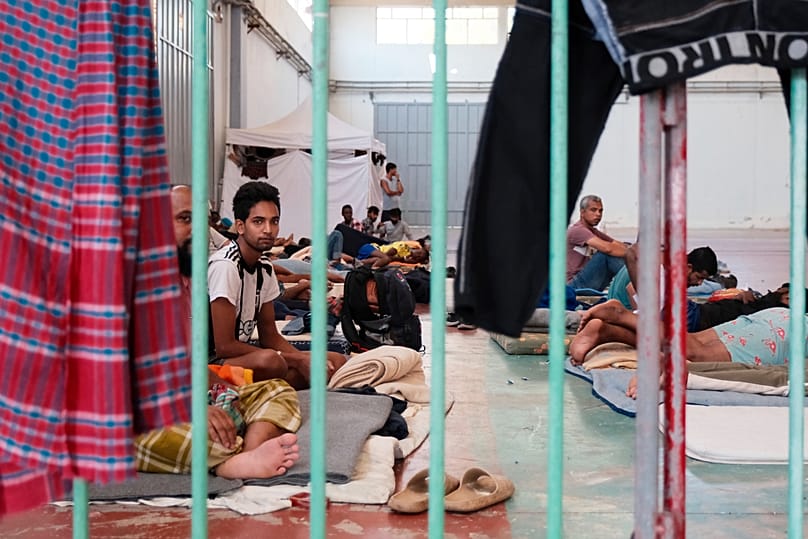
Türk raises a third issue that concerns him: migration policy.
"If I look at the migration discussion in today's world, I have to say, especially at the political level, it often dehumanises migrants and refugees. And again, we should never start with dehumanising any group," he explained, "because we will end up looking at other parts of society and it's a very slippery slope."
The High Commissioner therefore wants to see a fact-based debate in order to find lasting solutions and move away from an increasingly polarised debate.
The theme for International Human Rights Day 2025 is "Our Everyday Essentials." The idea, Türk explains, stems from the observation that human rights can seem abstract. However, "they connect us to our daily lives, right to food, water, sanitation, affordability, housing, these are all human rights. Right to healthcare, to education." The High Commissioner hopes to remind everyone of the concrete reality of human rights.
"So it's important to go back to the basics of what human rights are and to enjoy them, but also to fight for the rights of others in Europe and elsewhere."