

















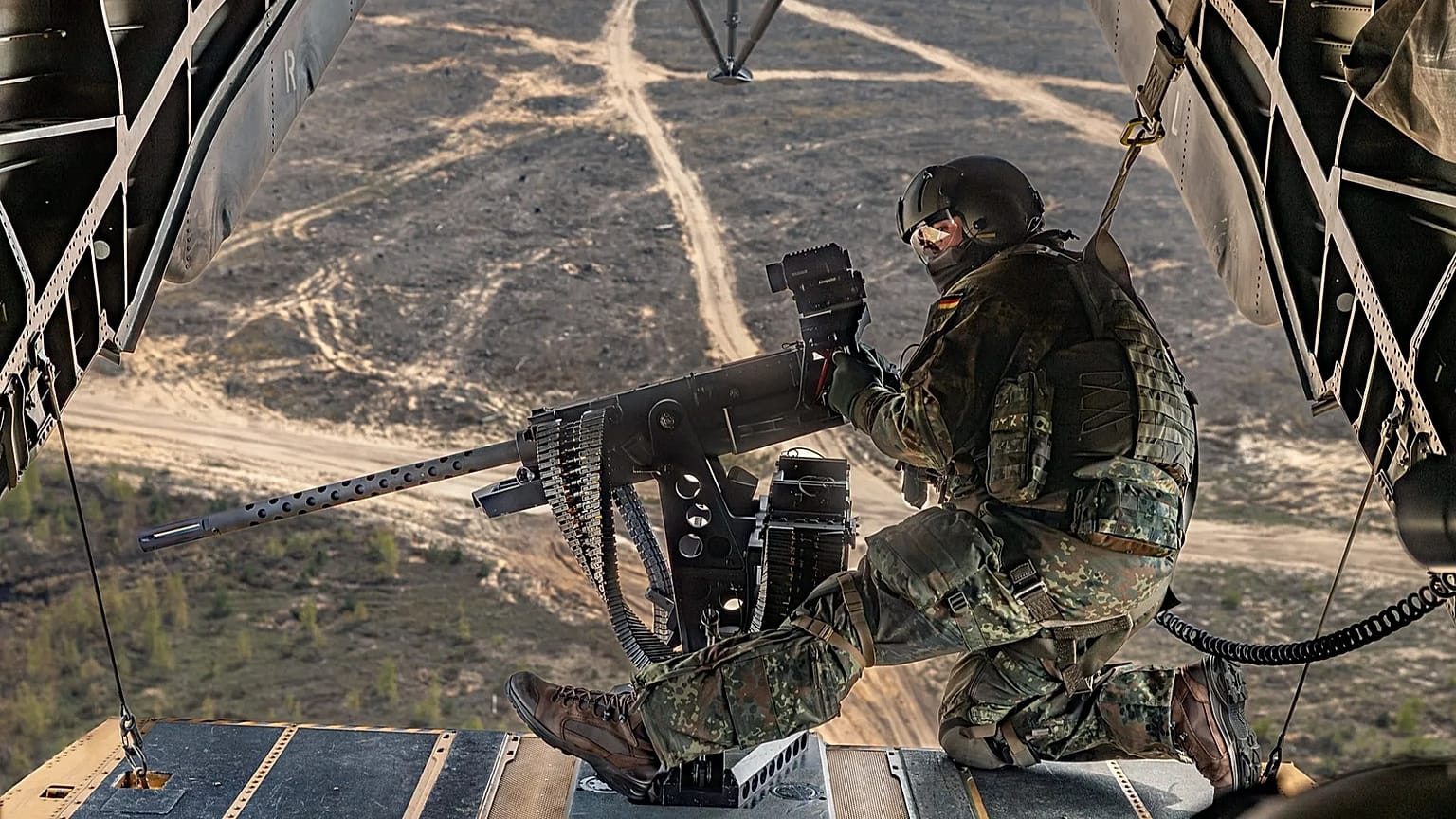













The Bundeswehr is to be "war-ready" by 2029 - but how real is the threat of a Russian attack on NATO?
With no end to Russia's full-scale invasion of Ukraine in sight, pressure is mounting on Germany to overhaul its defence industry.
 ADVERTISEMENT
ADVERTISEMENT
ADVERTISEMENT
Terms such as "war readiness" have been used repeatedly, along with calls for the Germany military (Bundeswehr) to become the conventionally strongest army in Europe, something that up until a few years ago was almost unthinkable.
Russia's maximalist demands in its war against Ukraine, combined with the gradual withdrawal of US support from NATO, serve as a constant wake-up call for Europeans, who are increasingly being forced to take responsibility for their own security.
To become capable of defence - and therefore capable of war - as quickly as possible, the German government plans to increase the defence budget to almost €153 billion by 2029.
The year 2029 is frequently cited as a reference point. By then, defence spending is set to reach around 3.5 percent of gross domestic product (GDP), and the Bundeswehr is expected to be "war-ready," as a potential Russian attack on NATO territory could occur around that time.
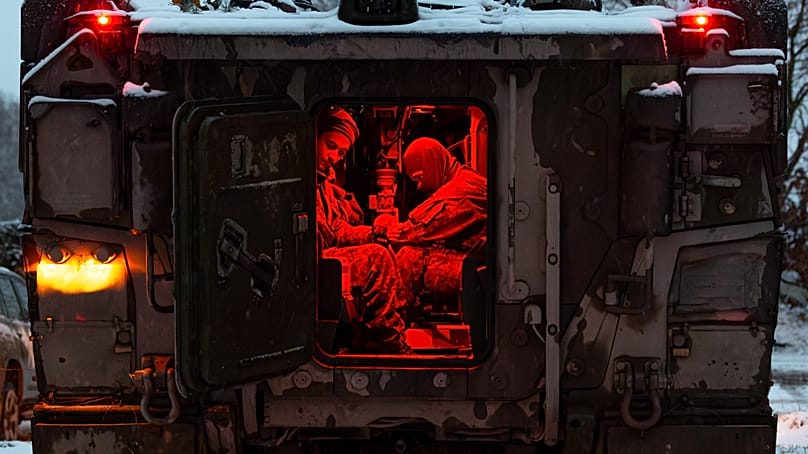
At the "Zeitenwende on Tour" event series hosted by the Munich Security Conference at the end of November, the Bundeswehr's Inspector General, Carsten Breuer, said that "the year wasn’t simply made up," but is based on "rigorous analysis."
"That doesn't mean that Russia will definitely attack, but it will be in a position to do so."
Why 2029?
The warning that Russia could launch an attack in 2029 stems from a 2023 Joint Threat Assessment-NATO report, which suggested that within three to five years, Russia could be in a position to wage a large-scale war.
Research by German public broadcaster WDR shows that the assessment used reconnaissance satellites to track Russia's current activities, including production and recruitment, relying entirely on intelligence data.
In 2023, the report concluded that Russia could raise an army of 1.5 million troops, fully equipped, within five years - by 2028- and carry out such an attack, explained security expert Professor Dr Carlo Masala in a recent podcast.
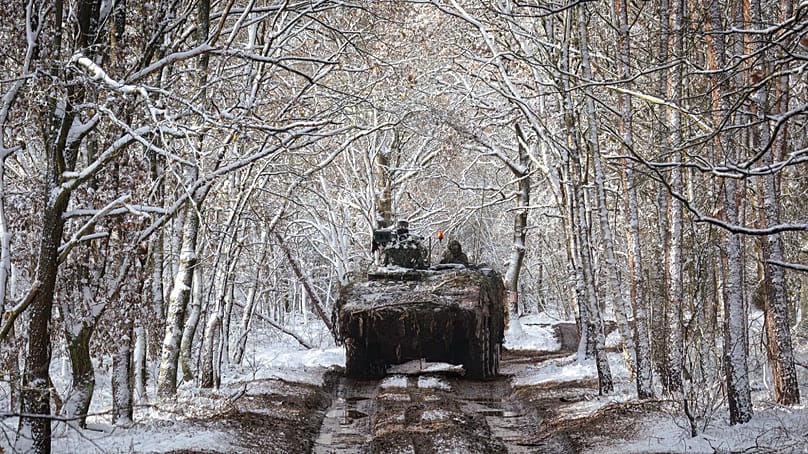
"In 2024, Defence Minister Boris Pistorius and the Inspector General of the Bundeswehr, Carsten Breuer, made the report public," Masala said, adding that they clearly did not want to alarm the public "by talking directly about 2028 in 2024."
Both the Bundeswehr and the Federal Intelligence Service (BND) quickly realised that an older analysis had been used. However, no correction was made. According to WDR, the Ministry of Defence internally decided to "formulate the statement more carefully" in future and to use the more general term "by the end of the decade" instead.
Few exchanges between Germany and the USA
The United States has the largest military in the world. This is primarily due to its enormous budget, advanced technology and the size of its navy and air force. Although there are other countries that have more soldiers, they are surpassed by the USA with its global influence and high defence spending.
Up to now, Germany has relied on the existing transatlantic friendship and world order. In an interview with The Atlantic, Dr Christian Freuding, Chief of Staff of the German Army, said that he used to be able to reach US defence officials "day and night," but that the exchange had now "cut off, really cut off."
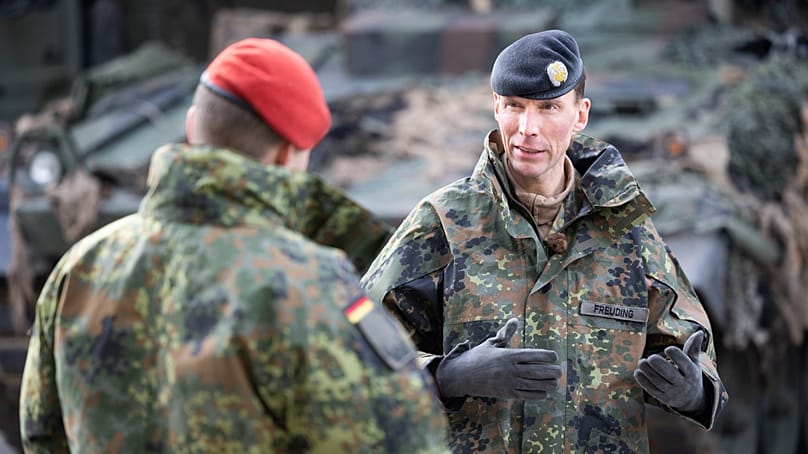
To understand American positions, Freuding explained that he now relies on the German embassy in Washington, where "there is somebody who tries to find somebody in the Pentagon."
A spokesperson for the Ministry of Defence clarified that this communication gap occurred during the transition period between the Biden and Trump administrations. As of now, there are said to be no communication deficits anymore, as demonstrated by the coordination between Germany, NATO and the US regarding the financing of PURL packages for Ukraine.
Nevertheless, Europe is no longer the top priority for the United States: only recently, the US ambassador to NATO said that he would like to see Germany take over the NATO leadership role from the US in the future. Experts see this as a further sign that Washington could withdraw from the alliance in the long term.
Arming and staffing the Bundeswehr
To deter a potential Russian attack on NATO territory, the Bundeswehr must be "combat-ready" by 2029. This means the forces are to be significantly strengthened and modernised, both in terms of personnel and equipment.
The Bundeswehr currently has between 181,000–182,000 active soldiers and is officially set to grow to approximately 203,000.
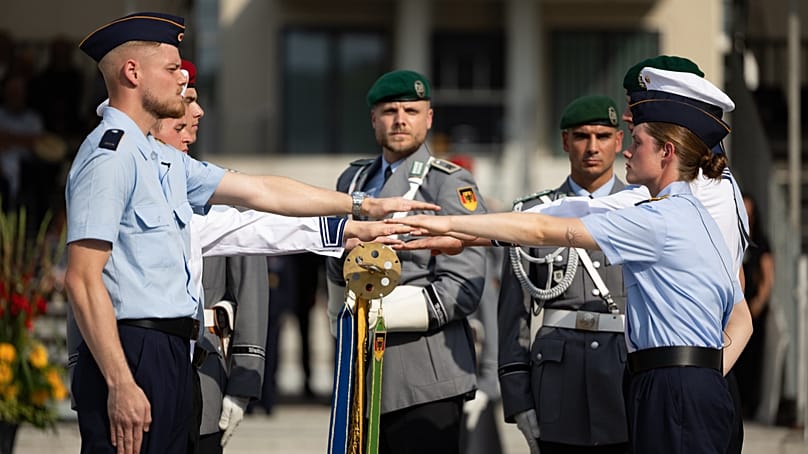
To achieve this, the government of Chancellor Friedrich Merz has reintroduced voluntary military service. Young men and women born in 2008 or later receive a letter from the Bundeswehr inviting them to register, although only men are obliged to respond.
Although the reinstated military service will initially remain voluntary, clear targets have been defined for the Bundeswehr's personnel expansion. If this figure is not reached, the Bundestag can decide to make military service compulsory.